
Expert insights on Dividend Growth, ETF strategies, and daily market analysis.
Essential stock scanners, charting software, and brokerage platforms for execution.
Master the art of reading charts, identifying trends, and spotting technical patterns.
Strategies and models to transition from wealth accumulation to secure income.
Stock charts are one of the most essential tools for investors looking to make informed decisions in the financial markets. Whether you’re a beginner just starting or an experienced trader looking to refine your skills, understanding stock charts is key to evaluating potential trades, spotting trends, and managing risk effectively. Stock charts provide a visual representation of a stock’s price movement over time, offering valuable insights into market behavior that go beyond what is visible in news articles or earnings reports.
In this comprehensive guide, we’ll walk you through the fundamentals of stock charts, how to read and interpret them, the various chart types, and how to use them to identify trends and trading opportunities. You’ll also discover how to draw key elements, such as trendlines and support/resistance levels, and apply technical analysis techniques using indicators and chart patterns to enhance your trading strategies.
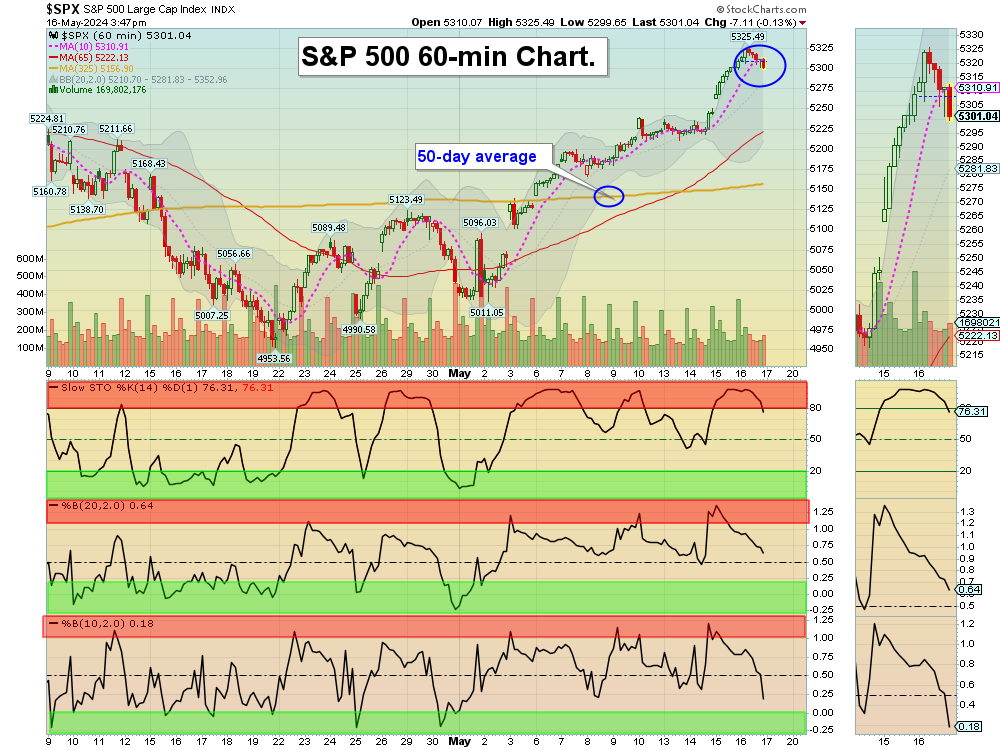
Understanding the key components of stock charts is essential for interpreting the data they present. These components include:
To get a better understanding of these components, you can explore the Key Components of Stock Charts page.
When analyzing stock prices, it’s crucial to choose the right type of chart to visualize the data effectively. There are several types of stock charts, each offering a unique way to view price movements. Candlestick charts provide detailed insights into market sentiment with visual cues about price direction, open, close, and price extremes. Line charts, on the other hand, offer a simple and clear representation of price trends, focusing solely on closing prices over time. Bar charts and OHLC charts display the open, high, low, and close prices, providing a comprehensive view of price action during each period. Each chart type serves different needs depending on the level of detail required for analysis, helping traders and investors make informed decisions based on their preferred trading strategies.
To learn more about these chart types in detail, visit our page on Types of Stock Charts.
Reading a stock chart involves interpreting various elements to understand the stock’s price movement and market sentiment. This section will teach you how to recognize trends, identify support and resistance levels, and use volume to gauge market interest.
Trends: Stock charts can reveal whether a stock is trending upwards (bullish), downwards (bearish), or moving sideways (neutral).
Support and Resistance: These are price levels at which stocks tend to stop moving up (resistance) or down (support). These levels are crucial for predicting potential reversals or breakout points.
Volume: The volume indicator shows how many shares of a stock are being traded. A sudden increase in volume can indicate that a price move may be strong and sustained.
If you’re new to reading stock charts, head over to our Reading Stock Charts page to learn how to identify these essential chart elements.
Knowing how to draw stock charts and identify key technical elements is crucial for making informed investment decisions. Drawing trendlines, support and resistance levels, and chart patterns can help you visualize where the stock may be headed and when it might be time to enter or exit a trade.
In this section, we will cover the basics of drawing:
For a more detailed guide on how to draw and interpret these critical chart elements, visit Drawing Stock Charts.
Technical indicators are mathematical calculations based on the stock’s price and volume, and they can provide additional insights into a stock’s potential movement. Commonly used indicators include:
By applying these technical indicators, traders can identify buy or sell signals and gauge market momentum. To explore these in more detail, head over to the Technical Indicators page.
Once you’re comfortable with stock charts, it’s time to use them to evaluate potential trades. Effective traders use stock charts to determine entry and exit points, manage risk, and make decisions based on price movements and patterns. Some important concepts for trade evaluation include:
These topics are covered in greater detail in the Evaluating Potential Trades section.
Mastering the art of reading and drawing stock charts is an invaluable skill for any investor or trader. Stock charts provide insight into market trends, price movements, and potential opportunities that can help you make more informed decisions, whether you’re trading short-term or investing long-term.
We recommend starting from the basics, as outlined in this guide, and gradually advancing your knowledge with the related pages on reading stock charts, technical analysis, and trade evaluation. By consistently practicing and applying the strategies learned here, you will be well on your way to making better investment decisions and improving your trading success.
To continue your learning journey, we invite you to explore the following pages:
Happy charting, and best of luck with your investments!
A snapshot of the daily updates that help traders stay aligned with market direction.

Above The Green Line’s systematic approach has completely transformed my trading. I’ve gone from inconsistent results to reliable gains, even during market downturns.”
The systematic approach has been a game-changer for my portfolio. I no longer second-guess my trading decisions and have seen consistent returns even in volatile markets.”
Sarah K.
Michael R.
Engineer & Part-time Trader
The community aspect is invaluable. Being able to learn from experienced traders and discuss strategies in real-time has accelerated my trading knowledge tremendously.
David L.
Business Owner
