By ATGL
Updated April 20, 2025
[ez-toc]
The falling wedge pattern is a powerful tool for traders looking to spot potential market reversals. This pattern shows up when prices form a narrowing channel that slopes downward. Learning to spot and trade this pattern can help you find good entry points and potentially profitable trades.
What Is a Falling Wedge Pattern?
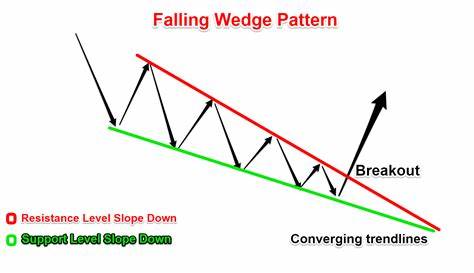
A falling wedge pattern is a technical chart formation where price moves between two downward-sloping, converging trendlines — with the upper line (connecting lower highs) descending more steeply than the lower line (connecting lower lows). Despite forming during downward price movements, this pattern typically signals a bullish reversal as the steeper upper trendline indicates weakening selling pressure. This suggests buyers may be quietly accumulating positions before a potential upward move, making the pattern valuable for spotting possible trend reversals in downtrends or continuation signals in uptrends.
Identifying the Falling Wedge Pattern
To spot a real falling wedge pattern, look for specific features. The pattern usually forms over several weeks or months, giving you time to analyze it carefully.
- Converging Lines: Both lines must slope downward, with the upper line falling more steeply than the lower one, creating a narrowing channel.
- Shrinking Price Range: As the pattern forms, the distance between the high and low prices gets smaller.
- Decreasing Volume: Trading activity usually drops as the pattern develops, often reaching its lowest point just before a breakout.
- Multiple Touch Points: A valid pattern should have at least two price touches on each trendline.
Don’t confuse the falling wedge with a triangle chart pattern. In a symmetrical triangle, both lines converge at about the same angle. A descending triangle has a flat bottom line. The falling wedge specifically has two downward-sloping lines that meet at different angles. This distinction helps you avoid mixing it up with patterns like the bear pennant pattern that have different trading implications.
What Happens After Falling Wedge Pattern?
After a falling wedge forms, you can usually expect prices to move upward. This happens because the narrowing price range builds pressure for a significant move once prices break out of the pattern.
- Upward Breakout: Prices break above the upper trendline, showing the pattern is complete, and a reversal may be starting.
- Increasing Volume: A real breakout comes with higher trading volume, confirming the pattern is meaningful.
- Retesting: After breaking out, prices might come back to touch the broken trendline before continuing upward.
- Price Target: The potential upward move often equals the height of the widest part of the pattern projected from the breakout point.
Volume behavior is important for confirming the pattern. Look for falling volume during the pattern formation and then a big increase in volume during the breakout. This volume signature helps distinguish real breakouts from false signals.
Understanding what happens after a falling wedge helps you set reasonable profit targets. Unlike the rising wedge pattern, which often leads to price drops, the falling wedge usually signals rising prices when properly confirmed.
How Do You Trade a Falling Wedge Pattern?
Trading the falling wedge pattern effectively requires a clear plan for entries, exits, and managing risk.
Breakout Strategies
The most common way to trade a falling wedge involves waiting for a confirmed breakout:
- Confirm Before Entering: Enter only after prices close above the upper trendline, preferably with higher volume.
- Entry Timing: Buy either right after the breakout candle closes or after prices successfully retest the broken trendline.
- Stop-Loss Placement: Place stop-loss orders below the most recent low point or below the lower trendline to protect against failed breakouts.
- Profit Targets: Calculate targets using the pattern’s height projected from the breakout point, taking profits at different levels along the way.
Reversal Strategies
If you want to position yourself before a complete breakout:
- Early Warning Signs: Watch for bullish divergence on momentum indicators that often appear before breakouts.
- Support Bounces: Enter carefully when prices bounce from the lower support trendline, using tighter stop-loss levels.
- Volume Clues: Look for decreasing volume during downward moves and increasing volume during upward moves within the pattern.
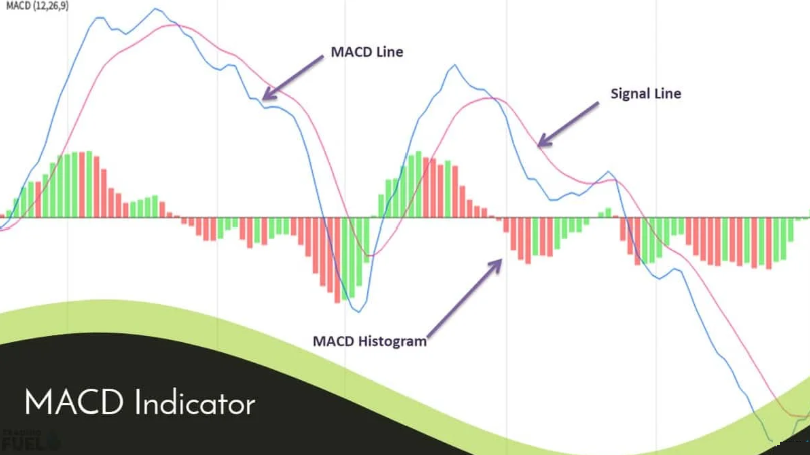
- Supporting Indicators: Use tools like the Relative Strength Index or Moving Average Convergence Divergence to confirm potential reversals.
Combining these approaches with other trading patterns you should know makes your strategy more effective. Consider how the falling wedge works with patterns like the bull flag pattern or double bottom pattern for extra confirmation.
Common Mistakes and Misinterpretations of a Falling Wedge Pattern
Even experienced traders make mistakes when identifying and trading the falling wedge pattern. Knowing these common errors will improve your analysis and trading results.
Misreading the Slopes
A basic mistake involves getting the trendline angles wrong:
- Parallel Lines: Mistaking a downward channel (parallel lines) for a wedge leads to wrong expectations.
- Direction Check: Both lines must slope downward for a valid pattern.
- Angle Relationship: The upper line must fall more steeply than the lower line.
Confusing with Other Patterns
Pattern mix-ups often happen with similar formations:
- Descending Triangle: Often confused with falling wedges, descending triangles have a flat lower line and usually signal continued downward movement.
- Rising Wedge Mix-up: Confusing a rising wedge pattern with a falling wedge results in opposite trade expectations.
- Head and Shoulders Confusion: The right shoulder of a head and shoulders pattern might look like a wedge, causing analysis mistakes.
Entering trades too early is another common error. Traders who buy before the pattern completes and confirms with a breakout face higher risks of false signals. Also, ignoring volume behavior during the pattern formation and breakout reduces your ability to judge if the pattern is reliable.
FAQs About Falling Wedge Pattern
Is a Falling Wedge Pattern Bullish?
Yes, the falling wedge pattern signals bullish potential. Despite forming during downtrends, its converging trendlines with the upper line descending more steeply indicate weakening selling pressure. This structure typically precedes a bullish reversal when confirmed by a breakout above the upper trendline with increased volume.
What Is the Falling Wedge Rule?
The falling wedge rule requires both trendlines to slope downward, with the upper resistance line declining more steeply than the lower support line. The pattern must have at least two touch points on each trendline, with volume decreasing during formation and expanding significantly during breakout.
How Reliable Is a Falling Wedge?
When properly identified and confirmed, the falling wedge demonstrates approximately 68% reliability for anticipated bullish movements. This reliability improves significantly with volume confirmation, aligned momentum indicators, and validated breakouts through decisive price action.
What Is the Success Rate of the Falling Wedge Pattern?
The falling wedge pattern achieves a 65% to 70% success rate when traded with appropriate confirmation. Performance varies with market conditions, timeframes, and confirmation criteria. The pattern performs best in markets with well-defined trends and sufficient volume to sustain breakout momentum.
Trade Effectively the Falling Wedge Pattern With Above the Green Line
Mastering the falling wedge pattern provides a powerful tool for identifying potential reversals when analyzed alongside complementary formations like the triple top pattern or cup and handle pattern. Success requires disciplined adherence to identification criteria and distinguishing this pattern from similar formations like the bear flag pattern.
Above the Green Line offers comprehensive resources when you’re seeking to execute falling wedge strategies with confidence. Explore our membership options to access professional-grade tools, expert insights, and specialized training on high-probability trading formations.

Related Articles
[pt_view id=”9517038dwu”]