• Market Insights
        • Commentary
          • Daily
          • Weekly
        • BUY / SELL SIGNALS
          • Trade Posts
          • Recent Trade Alerts
          • Recent Day Trades
        • BLOGROLL
          • Dividend Growth Blog
          • ETF Sector Blog
          • Dow Dogs
          • TPOW Blog
  • Strategies
        • SWING TRADING
          • Current Positions
          • Watchlists
          • Closed Positions
          • Candidates - TOP 100
          • Specialty Stocks
        • WEEKLY STOCK PICK
          • TPOW Charts
          • TPOW Performance
          • TPOW Strategy Guide
          • TPOW Performance Dashboard
        • DAY TRADING
          • Watch List
        • ATGL DASHBOARD
        • ETF STRATEGIES
          • ETF Sector Rotation
          • ETF Sector Portfolio
        • DIVIDEND GROWTH
          • Dividend Growth Portfolio
          • Dividend Calendar
        • DOGS OF THE DOW
          • Dogs of the Dow Portfolio
          • DOW 5 Portfolio
  • Markets
        • US MARKET
          • Commodities
          • Energy
          • Precious Metals
          • Volatility
        • GLOBAL MARKETS
          • Market Indices
          • Economic Calendar
          • FOREX Heat Map
          • FOREX Cross Rates
          • Crypto Currency Market
  • Investing
    • Discord Community
    • Dashboard
  • Resources
        • ARTICLES
          • Dividend Growth Model Articles
          • ETF Articles
          • Investment Strategies Articles
          • Market and Economic Insights
          • Stock Trade Articles
          • Stock Reviews
        • TOOLS
          • Stock Scanners
          • Charting Software
          • Brokerage Firms
        • STOCK CHARTS
          • Key Components
          • Reading Charts
          • Drawing Stock Charts
          • Identifying Trends
        • RETIREMENT PLANNING
  • About
    • Contact Us
    • How to Win
    • #1 At Stockcharts
    • Disclaimer
    • FAQ
  • Log In
  • Subscribe
Menu
  • Market Insights
    • Commentary
      • Daily
      • Weekly
    • BUY / SELL SIGNALS
      • Trade Posts
      • Recent Trade Alerts
      • Recent Day Trades
    • BLOGROLL
      • Dividend Growth Blog
      • ETF Sector Blog
      • Dow Dogs
      • TPOW Blog
  • Strategies
    • SWING TRADING
      • Current Positions
      • Watchlists
      • Closed Positions
      • Candidates – TOP 100
      • Specialty Stocks
    • DAY TRADING
      • Watch List
    • WEEKLY STOCK PICK
      • TPOW Charts
      • TPOW Performance
      • TPOW Strategy Guide
      • TPOW Performance Dashboard
    • DIVIDEND GROWTH
      • Dividend Growth Portfolio
      • Dividend Calendar
    • DOGS OF THE DOW
      • Dogs of the Dow Portfolio
      • DOW 5 Portfolio
    • ETF STRATEGIES
      • ETF Sector Rotation
      • ETF Sector Portfolio
    • ATGL DASHBOARD
  • Markets
    • US MARKET
      • Commodities
      • Energy
      • Precious Metals
      • Volatility
    • GLOBAL MARKETS
      • Market Indices
      • Economic Calendar
      • FOREX Heat Map
      • FOREX Cross Rates
      • Crypto Currency Market
  • Investing
    • Discord Community
    • Dashboard
  • Resources
    • ARTICLES
      • Dividend Growth Model Articles
      • ETF Articles
      • Investment Strategies Articles
      • Market and Economic Insights
      • Stock Trade Articles
      • Stock Reviews
    • TOOLS
      • Stock Scanners
      • Charting Software
      • Brokerage Firms
    • STOCK CHARTS
      • Key Components
      • Reading Charts
      • Drawing Stock Charts
      • Identifying Trends
    • RETIREMENT PLANNING
  • About
    • Contact Us
    • How to Win
    • #1 At Stockcharts
    • Disclaimer
    • FAQ
  • Log Out
    • Members-Page
    • Referral
  • Log In
  • Subscribe
Log In
Log Out
Subscribe

August 27, 2024

Percentage Price Oscillator (PPO) Indicator Overview

Percentage Price Oscillator

By ATGL

Updated November 29, 2024

The Percentage Price Oscillator (PPO) offers valuable insights into market trends. By comparing the relationship between short-term and long-term price movements, the PPO helps you identify momentum shifts with greater accuracy.

What Is the Percentage Price Oscillator (PPO)?

The PPO is a momentum-based technical indicator that measures the difference between two moving averages of a security’s price, expressed as a percentage of the larger moving average. Unlike the Moving Average Convergence Divergence (MACD), which uses absolute price differences, the PPO provides a normalized view, allowing for more effective comparisons across different securities and timeframes.

PPO Formula and Calculation Examples

How Do You Calculate PPO?

The PPO is calculated using the following formula:

PPO = [(Short-term EMA – Long-term EMA) / Long-term EMA] × 100

Where:

  • EMA stands for Exponential Moving Average
  • Short-term EMA typically refers to the 12-period EMA
  • Long-term EMA typically refers to the 26-period EMA

By expressing the difference as a percentage, the PPO facilitates a clearer understanding of the relationship between short-term and long-term price movements. This normalization is particularly useful when analyzing securities with varying price levels, as it mitigates the impact of absolute price differences.

The PPO generates values that oscillate above and below the zero line, indicating bullish or bearish momentum:

  • Positive PPO values suggest that the short-term EMA is above the long-term EMA, indicating upward momentum.
  • Negative PPO values imply that the short-term EMA is below the long-term EMA, signaling downward momentum.

Example Calculation

Assume an investor is analyzing a stock with the following data:

  • 12-period EMA: $50
  • 26-period EMA: $48

If they apply the PPO formula, they get PPO = [($50 – $48) / $48] × 100 = 4.17%

This result shows a positive PPO value of 4.17%, indicating that the short-term price movement is stronger than the long-term trend, suggesting bullish momentum.

Tools for Calculating PPO

While manual calculation is straightforward, most traders rely on technical analysis platforms or trading software to compute the PPO automatically. Platforms like MetaTrader, TradingView, and Thinkorswim provide PPO as a built-in indicator, allowing for real-time analysis without manual effort.

How To Interpret the PPO Technical Indicator

Here’s how you can interpret key PPO signals:

  • Positive PPO Values: When the PPO is above zero, it indicates that the short-term EMA is greater than the long-term EMA, signaling upward momentum.
  • Negative PPO Values: A PPO below zero shows that the short-term EMA is lower than the long-term EMA, reflecting downward momentum.
  • Zero Line Crossovers: When the PPO crosses above the zero line, it can be interpreted as a buy signal, as it suggests a shift from a bearish to a bullish trend. Conversely, a cross below the zero line may indicate a sell signal.
  • Bullish Divergences: Bullish divergences occur when the price of a security makes a lower low while the PPO makes a higher low. This scenario suggests weakening bearish momentum and potential reversal to the upside.
  • Bearish Divergences: Bearish divergences happen when the price makes a higher high while the PPO makes a lower high. This pattern indicates a slowdown in bullish momentum, potentially signaling an upcoming reversal to the downside.
  • Overbought Conditions: When the PPO reaches unusually high levels, it may suggest that the security is overbought, and a correction could be imminent. Traders often use these signals to anticipate pullbacks in an uptrend.
  • Oversold Conditions: Conversely, extremely low PPO values may indicate that a security is oversold, suggesting that the current downtrend may be losing steam and a reversal could occur.

Using PPO in Trading Strategies

By integrating the PPO with other indicators and applying it across different market conditions, you can optimize entry and exit points to improve overall performance.

  • Confirmation With Other Indicators: The PPO works well when combined with indicators like the Relative Strength Index (RSI) or MACD. For instance, if the PPO shows bullish momentum and the RSI indicates an oversold condition, this combination can reinforce a buy signal, helping to validate trading decisions.
  • Timing Entries and Exits: The PPO is particularly useful for timing trades. Traders might enter when the PPO crosses above the zero line, signaling upward momentum, and exit when it begins to decline or crosses below the zero line, indicating weakening momentum.
  • Enhancing Trend-Following Strategies: Trend-following strategies often rely on moving averages to identify the direction. The PPO enhances these by comparing short-term and long-term trends as a percentage. Traders can stay in a trade as long as the PPO remains positive, exiting when it turns negative to lock in gains.

Benefits of Using the PPO

Unlike absolute indicators, the PPO expresses the difference between EMAs as a percentage, making it easier to compare across different stocks, commodities, or indices, regardless of their price levels.

In addition, the PPO can be applied to various timeframes, making it suitable for both short-term traders and long-term investors.

And, due to its calculation method, the PPO can often detect shifts in momentum earlier than some other indicators, providing traders with a timely advantage in volatile markets.

Limitations of the PPO

While the PPO is a powerful indicator, it is not without its limitations.

  • Lagging Nature: Like all moving averages, the PPO is based on past price data. This can sometimes result in delayed signals, particularly in fast-moving markets.
  • False Signals: In choppy or sideways markets, the PPO can generate false signals, leading to potential losses. It is often best used in trending markets where its signals are more reliable.
  • Dependence on EMA Settings: The effectiveness of the PPO can vary depending on the chosen EMA periods. Traders must test and adjust these settings based on the specific security and market conditions to optimize results.

PPO Indicator vs. MACD Comparison

The PPO and the MACD are closely related indicators, both used to measure momentum and trend direction. However, they differ in ways that affect their application.

The PPO expresses the difference between EMAs as a percentage, making it more suitable for comparing securities with different price levels. The MACD uses absolute price differences, which can make it less effective for cross-asset comparisons.

The PPO’s percentage-based approach allows it to be more flexible across different asset classes and market conditions. The MACD, while popular, is often more effective in markets where price levels are consistent.

Is PPO better than MACD? The answer depends on a trader’s objectives. If you’re comparing securities with significantly different price ranges, the PPO might offer a more consistent analysis. However, if you’re focused on a single market or security, the MACD’s absolute measure could be sufficient.

Reap the Benefits of Successful Trading Strategies

By integrating the PPO indicator into your trading toolkit, you enhance your ability to identify trends, time your trades more effectively, and improve your overall trading performance. At Above the Green Line, we provide our members with access to advanced technical analysis tools to support successful trading strategies. To learn more and take your trading to the next level, explore our membership options.

Related Articles

Percentage Price Oscillator

Percentage Price Oscillator (PPO) Indicator Overview

The Percentage Price Oscillator (PPO) offers valuable insights into market trends. By comparing the relationship between short-term and long-term price ...
Read More
Parabolic SAR Indicator: Overview, Formula, and Trading Strategies
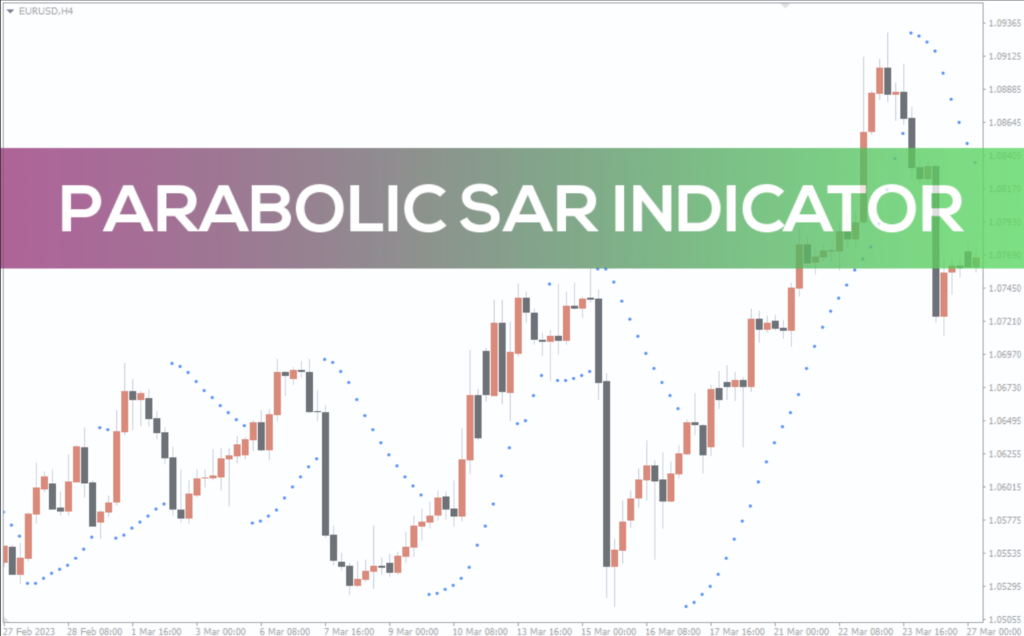
Parabolic SAR Indicator: Overview, Formula, and Trading Strategies

Traders seeking to refine their market timing and risk management often turn to the Parabolic Stop and Reverse (SAR) indicator ...
Read More
What Investors Should Know About Trade Desk Stock Forecast

What Investors Should Know About Trade Desk Stock Forecast

As an investor looking into Trade Desk Inc. (TTD), you can't make an informed decision without first understanding its stock ...
Read More
Technical Indicators

The Ultimate List of Technical Indicators for Trading
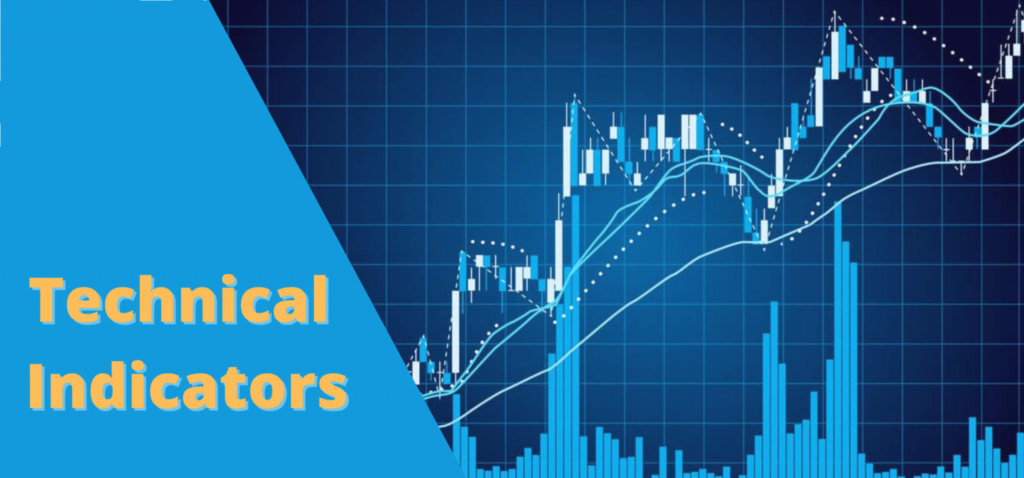
As an investor or trader, having a toolkit of technical indicators can significantly improve your market analysis and decision-making process ...
Read More
A Guide on How To Trade the Bear Pennant Pattern
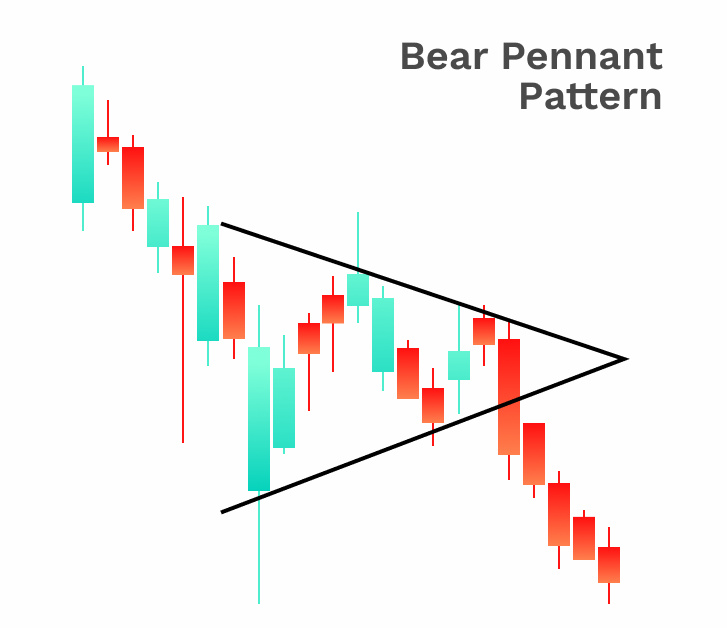
A Guide on How To Trade the Bear Pennant Pattern

The bear pennant pattern is a valuable tool in technical analysis, offering insights into potential downward price movements in financial ...
Read More
  • Previous
  • 1
  • …
  • 7
  • 8
  • 9
  • 10
  • 11
  • …
  • 15
  • Next
Loading...

July 29, 2024

Parabolic SAR Indicator: Overview, Formula, and Trading Strategies


By ATGL

Updated August 27, 2024

Traders seeking to refine their market timing and risk management often turn to the Parabolic Stop and Reverse (SAR) indicator. This versatile tool, appearing as a series of dots on price charts, offers clear signals for potential trend reversals and momentum shifts.

Whether you’re new to technical analysis or looking to improve your existing strategy, understanding the Parabolic SAR can sharpen your trading decisions. This guide details the indicator’s mechanics, explores its practical applications, and demonstrates how to integrate it effectively into your trading approach.

What Is the Parabolic SAR Indicator?

The Parabolic SAR is a technical indicator used to determine the direction of an asset’s momentum and identify potential reversal points. Introduced by J. Welles Wilder, Jr. in his 1978 book “New Concepts in Technical Trading Systems,” this indicator appears as a series of dots on a price chart, either above or below the price action.

The indicator’s name, “Stop and Reverse,” reflects its primary function: to signal when to close a current position and open a new one in the opposite direction. This makes it particularly useful for traders looking to capture trends and manage their risk effectively.

How the Parabolic SAR Indicator Works

At first glance, the dots of the Parabolic SAR might seem mysterious. But behind these simple markers lies a precise mathematical formula.

Parabolic SAR Formula

The Parabolic SAR uses a complex formula that adjusts based on price movement. The basic formula is:

SAR(n+1) = SAR(n) + AF * (EP – SAR(n))

Where:

  • SAR(n+1) is the next period’s SAR value
  • SAR(n) is the current period’s SAR value
  • AF is the Acceleration Factor
  • EP is the Extreme Point

The Acceleration Factor (AF) typically starts at 0.02 and increases by 0.02 each time a new Extreme Point is reached, up to a maximum of 0.20. The Extreme Point (EP) is the highest high for a long trade or the lowest low for a short trade.

This formula allows the indicator to accelerate as the trend strengthens and decelerate as the trend weakens, providing a dynamic representation of price momentum.

Using the Parabolic SAR Indicator in Trading

The Parabolic SAR provides valuable signals for trend direction and potential entry and exit points. Here’s how to interpret and apply these signals effectively:

  1. Dots below the price indicate an uptrend.
  2. Dots above the price signal a downtrend.
  3. When dots cross from below to above the price, it suggests a potential bearish reversal.
  4. Dots crossing from above to below the price indicate a potential bullish reversal.

Recognizing Trend Reversals

Identifying trend reversals is a key strength of the Parabolic SAR. When the dots flip from one side of the price to the other, it signals a potential trend change. However, to confirm these reversals:

  • Look for accompanying volume increases.
  • Check for supporting price action, such as the breaking of essential support or resistance levels.
  • Consider using additional indicators like the RSI or MACD for confirmation.

Optimal Settings for Different Markets

While the default Parabolic SAR settings work well in many situations, adjusting them can optimize performance for specific markets:

  • For volatile markets: Use a lower acceleration factor (AF) starting point (0.01) and a lower maximum (0.15) to reduce whipsaws.
  • For less volatile markets: The standard settings (0.02 start, 0.2 maximum) often suffice.
  • For longer-term trends: Lower the AF settings to make the indicator less sensitive to short-term price movements.

Always backtest your settings on historical data before applying them to live trades.

Common Mistakes To Avoid

When using the Parabolic SAR, be wary of these pitfalls:

  • Overreliance on the indicator: Use it in conjunction with other technical tools and fundamental analysis.
  • Ignoring market context: The Parabolic SAR performs best in trending markets. In ranging markets, it may generate false signals.
  • Failing to adjust stop-losses: As the SAR dots move, adjust your stop-loss orders accordingly to protect profits.
  • Misinterpreting reversal signals: A single dot flip doesn’t always indicate a full trend reversal. Look for confirmation from price action and other indicators.
  • Using inappropriate time frames: Ensure your chosen time frame aligns with your trading style and the asset’s typical volatility.

Parabolic SAR Trading Strategies

With an understanding of the Parabolic SAR, you can explore practical strategies for implementation. These approaches combine the indicator’s strengths with other analytical tools to create powerful trading systems.

  • Trend Riding: Enter a trade when the SAR dots flip to the other side of the price, indicating a new trend. Exit when the dots flip back, signaling a potential reversal.
  • Combining with Moving Averages: Use a moving average to confirm the trend direction indicated by the Parabolic SAR. For example, enter a long trade when the price is above both the moving average and the SAR dots.
  • SAR and RSI Strategy: Combine the Parabolic SAR with the Relative Strength Index (RSI). Enter a long trade when the SAR dots flip below the price and the RSI is above 50, indicating bullish momentum.
  • Breakout Confirmation: Use the Parabolic SAR to confirm breakouts from chart patterns or key support/resistance levels. A breakout accompanied by a SAR dot flip can provide a stronger entry signal.
  • Risk Management: Utilize the SAR dots as dynamic stop-loss levels, adjusting your stop as the dots move with the trend.

When implementing these strategies, remember that no indicator is perfect. The Parabolic SAR, like all technical tools, can produce false signals, especially in choppy or ranging markets. Always use proper risk management and consider combining the Parabolic SAR with other best technical indicators for day trading for a more robust analysis.

Additionally, familiarizing yourself with common day trading patterns can enhance your ability to interpret Parabolic SAR signals within the context of broader market structures.

Become a Successful Trader With Above the Green Line

Mastering the Parabolic SAR indicator is just one step toward becoming a proficient trader. At Above the Green Line, we offer comprehensive resources and tools to help you elevate your trading skills. Our advanced trading platforms and educational materials can help you integrate the Parabolic SAR and other technical indicators into a cohesive, profitable trading strategy.

Ready to take your trading to the next level? Explore our membership options and join a community of dedicated traders committed to continuous improvement and success in the markets.

Related Articles

Percentage Price Oscillator

Percentage Price Oscillator (PPO) Indicator Overview

The Percentage Price Oscillator (PPO) offers valuable insights into market trends. By comparing the relationship between short-term and long-term price ...
Read More
Parabolic SAR Indicator: Overview, Formula, and Trading Strategies

Parabolic SAR Indicator: Overview, Formula, and Trading Strategies

Traders seeking to refine their market timing and risk management often turn to the Parabolic Stop and Reverse (SAR) indicator ...
Read More
What Investors Should Know About Trade Desk Stock Forecast

What Investors Should Know About Trade Desk Stock Forecast

As an investor looking into Trade Desk Inc. (TTD), you can't make an informed decision without first understanding its stock ...
Read More
Technical Indicators

The Ultimate List of Technical Indicators for Trading

As an investor or trader, having a toolkit of technical indicators can significantly improve your market analysis and decision-making process ...
Read More
A Guide on How To Trade the Bear Pennant Pattern

A Guide on How To Trade the Bear Pennant Pattern

The bear pennant pattern is a valuable tool in technical analysis, offering insights into potential downward price movements in financial ...
Read More
  • Previous
  • 1
  • …
  • 7
  • 8
  • 9
  • 10
  • 11
  • …
  • 15
  • Next
Loading...

July 28, 2024

What Investors Should Know About Trade Desk Stock Forecast

By ATGL

Updated August 27, 2024

As an investor looking into Trade Desk Inc. (TTD), you can’t make an informed decision without first understanding its stock forecast. This article provides you with a comprehensive overview of Trade Desk’s potential, covering financial performance, analyst ratings, market trends, and strategic company moves.

Trade Desk Inc. (TTD) Company Overview

Trade Desk Inc. operates a global technology platform for advertising buyers. Its platform helps ad buyers create, manage, and optimize data-driven digital advertising campaigns. The company’s emphasis on programmatic advertising has positioned it as a leader in the digital ad space.

Trade Desk’s unique selling proposition lies in its ability to leverage Big Data and artificial intelligence to deliver targeted ads across various digital channels, including display, video, audio, and social media. This approach allows advertisers to reach their intended audience more effectively, potentially increasing return on investment for their ad spend.

The company’s clientele includes major advertising agencies and brands across various industries. As digital advertising continues to grow and evolve, Trade Desk’s innovative solutions position it well to capitalize on this expanding market.

Financial Performance

Examining the Trade Desk’s financial performance through both fundamental and technical analysis will give you insights into its growth and stability. Here are some key metrics to consider:

  • Year-to-Date (YTD) Return of TTD Stock: TTD has shown impressive growth over the years, and the YTD return often reflects investor confidence and market performance. Compare this return to broader market indices and industry peers to gauge relative performance.
  • Valuation Measures: Analyzing TTD’s Price-to-Earnings (P/E) Ratio and EV/EBITDA are technical indicators that can help you assess the stock’s valuation relative to its earnings and cash flow, providing insights into whether the stock is overvalued or undervalued. High ratios might indicate investor optimism about future growth, while lower ratios could suggest undervaluation or concerns about future performance.
  • Balance Sheet Analysis: A robust balance sheet with strong assets and manageable liabilities indicates financial health. TTD’s balance sheet strength reflects its ability to fund operations and growth initiatives without excessive debt. Pay attention to key metrics such as the current ratio, debt-to-equity ratio, and working capital to get a comprehensive view of the company’s financial position.
  • Cash Flow Statement Assessment: Cash flow from operations is a critical metric. Positive cash flow suggests efficient management and operational success, which are essential for sustaining long-term growth. Look at trends in free cash flow generation, as this indicates the company’s ability to reinvest in the business or return value to shareholders through dividends or share buybacks.
  • Revenue Growth: Examine TTD’s revenue growth rate over the past few years. A consistently high growth rate can be a strong indicator of the company’s market position and the effectiveness of its business model.
  • Profit Margins: Analyze both gross and net profit margins. Improving margins over time can signal increasing operational efficiency and pricing power in the market.

The Trade Desk Stock Forecast: Ratings and Recommendations

Before you make your investment decisions, it helps to see what analysts are saying about TTD:

  • Analyst Ratings Overview: Analysts provide a consensus rating for TTD, typically ranging from “Strong Buy” to “Sell.” These ratings aggregate various analysts’ opinions and research, offering a snapshot of market sentiment. Note that while consensus can be informative, it’s not always predictive of future performance.
  • Recent Upgrades or Downgrades: Keeping track of any recent changes in analyst ratings can provide insights into the evolving perceptions of TTD’s potential. Pay attention to the reasons behind these changes, as they often reflect new information or changing market dynamics.
  • Consensus Price Targets: These targets are the average of analysts’ price predictions for TTD, giving you a benchmark for future stock performance. Remember that price targets are typically set for a 12-month horizon and can change based on new information or market conditions.
  • Earnings Estimates: Analyst estimates for future earnings can provide insight into expected financial performance. Compare these estimates to the company’s guidance and historical performance to gauge potential growth.
  • Long-term Growth Forecasts: Look for analysts’ long-term growth projections, which can give you an idea of TTD’s potential over a three- to five-year horizon.

Factors Affecting TTD Stock Price

Identification of Bullish and Bearish Patterns

Recognizing patterns that indicate potential stock price increases can help you capitalize on upward trends. Some common bullish patterns include:

  • Golden Cross: When a short-term moving average crosses above a long-term moving average
  • Cup and Handle: A U-shaped trend followed by a slight downward drift
  • Ascending Triangle: A chart pattern showing a rising trendline of lower highs and a straight trendline of highs

As for bearish patterns, you can mitigate risks by identifying signs of potential price drops before they happen. Look out for patterns, such as:

  • Death Cross: When a short-term moving average crosses below a long-term moving average
  • Head and Shoulders: A chart formation with three peaks, the middle being the highest
  • Descending Triangle: A chart pattern showing a falling trendline of lower highs and a straight trendline of lows

Analysis of Candlestick Indicators

Candlestick charts are a popular tool among traders. They offer visual insight into market sentiment and potential price movements. Key candlestick patterns to watch for include:

  • Doji: Indicates indecision in the market and potential trend reversals
  • Hammer: Suggests a potential bullish reversal after a downtrend
  • Engulfing Patterns: Can signal trend reversals, either bullish or bearish

Understanding Key Support and Resistance Levels

Support Levels

These are price points where a stock tends to find support as it falls. Knowing these levels can help you understand potential price floors. Support levels often coincide with the following:

  • Previous lows
  • Moving averages
  • Psychologically important round numbers

Resistance Levels

These are price points where a stock faces resistance as it rises, and you can use these to gauge potential price ceilings. Resistance levels may be found at:

  • Previous highs
  • Trend lines
  • Fibonacci retracement levels

Analysis of Revenue Forecast

Revenue forecasts are critical for assessing future performance. These projections can help you gauge how well TTD might perform in the coming years.

What Is the Prediction for the Trade Desk?

Analyzing market trends, company strategies, and industry growth can give you a positive revenue forecast, often signaling potential stock price appreciation. Consider the following factors:

  • Digital Advertising Growth: As more advertising budgets shift to digital platforms, TTD is well-positioned to benefit from this trend.
  • Technological Advancements: TTD’s continued investment in AI and machine learning could enhance its competitive edge and drive revenue growth.
  • Global Expansion: The company’s efforts to expand into new markets could open up additional revenue streams.
  • Partnerships and Integrations: New partnerships or integrations with major platforms could significantly boost TTD’s reach and revenue potential.
  • Regulatory Environment: Changes in data privacy regulations could impact TTD’s operations, either positively or negatively.

Make the Best Investment Decisions With Above the Green Line

Investing in stocks like TTD requires careful analysis and access to reliable information. Above the Green Line offers tools and insights to help you make informed investment decisions. Our platform gives you access to real-time market data and analysis, customizable stock screening tools, expert insights and commentary, and educational resources for investors of all levels.

Sign up for an Above the Green Line membership and explore how our resources can guide your investment journey.

Related Articles

Percentage Price Oscillator

Percentage Price Oscillator (PPO) Indicator Overview

The Percentage Price Oscillator (PPO) offers valuable insights into market trends. By comparing the relationship between short-term and long-term price ...
Read More
Parabolic SAR Indicator: Overview, Formula, and Trading Strategies

Parabolic SAR Indicator: Overview, Formula, and Trading Strategies

Traders seeking to refine their market timing and risk management often turn to the Parabolic Stop and Reverse (SAR) indicator ...
Read More
What Investors Should Know About Trade Desk Stock Forecast

What Investors Should Know About Trade Desk Stock Forecast

As an investor looking into Trade Desk Inc. (TTD), you can't make an informed decision without first understanding its stock ...
Read More
Technical Indicators

The Ultimate List of Technical Indicators for Trading

As an investor or trader, having a toolkit of technical indicators can significantly improve your market analysis and decision-making process ...
Read More
A Guide on How To Trade the Bear Pennant Pattern

A Guide on How To Trade the Bear Pennant Pattern

The bear pennant pattern is a valuable tool in technical analysis, offering insights into potential downward price movements in financial ...
Read More
  • Previous
  • 1
  • …
  • 7
  • 8
  • 9
  • 10
  • 11
  • …
  • 15
  • Next
Loading...

June 26, 2024

The Ultimate List of Technical Indicators for Trading

Technical Indicators

By ATGL

Updated November 29, 2024

As an investor or trader, having a toolkit of technical indicators can significantly improve your market analysis and decision-making process. This comprehensive guide will explore a list of technical indicators that can help you navigate trading with greater confidence and precision.

1. Stochastic Oscillator

The Stochastic Oscillator is a momentum indicator that compares a security’s closing price to its price range over a specific period. This tool helps you identify potential overbought or oversold conditions, making it particularly useful for timing entry and exit points in range-bound markets.

To use the Stochastic Oscillator effectively, look for crossovers between the %K and %D lines, as well as divergences between the indicator and price action. %K is the raw stochastic value, while %D is its moving average. Remember that overbought or oversold readings don’t necessarily signal immediate reversals but rather potential areas of interest for further analysis.

2. Relative Strength Index

The Relative Strength Index (RSI) measures the speed and change of price movements. Ranging from 0 to 100, the RSI helps you identify potential trend reversals, overbought or oversold conditions, and hidden divergences. You typically calculate it using a 14-day period.

While traditional interpretations suggest that RSI readings above 70 indicate overbought conditions and below 30 indicate oversold conditions, consider the overall market context. In strong trends, these levels may need to be adjusted to avoid premature signals. For example, traders might use levels like 80/20 instead of 70/30 in strong trending markets.

3. Exponential Moving Average Indicator

The Exponential Moving Average (EMA) gives more weight to recent price data, making it more responsive to new information than a simple moving average. Traders often use EMAs to identify trend direction, support and resistance levels, and potential entry or exit points.

Consider using multiple EMAs with different periods to create a dynamic picture of market trends. For example, a combination of 9-, 21-, and 50-period EMAs can provide insights into short-, medium-, and long-term trends.

4. Moving Average Convergence Divergence

The Moving Average Convergence Divergence (MACD) shows the relationship between two moving averages of a security’s price. By subtracting the 26-period EMA from the 12-period EMA, the MACD line is created, along with a 9-period EMA of the MACD itself, known as the signal line.

Traders often look for crossovers between the MACD line and the signal line, as well as divergences between the MACD and price action. The histogram, which represents the difference between the MACD and signal lines, also provides insights into momentum shifts. A rising histogram indicates increasing bullish momentum, and a falling histogram indicates increasing bearish momentum. The MACD is most effective in trending markets and might give false signals in range-bound markets.

5. Fibonacci Retracement Indicators

Fibonacci retracement levels are based on the mathematical sequence discovered by Leonardo Fibonacci. You use these levels (23.6%, 38.2%, 50%, 61.8%, and 78.6%) to identify potential support and resistance areas during price retracements.

To apply Fibonacci retracements, identify significant price swings and draw the levels from the swing low to the swing high (or vice versa). These levels can be powerful, but you should use them with other technical indicators and price action analysis for confirmation.

6. Parabolic SAR

The Parabolic Stop and Reverse (SAR) indicator identifies potential reversals in price trends. It appears as a series of dots above or below the price, with its position relative to the price indicating the current trend direction.

Traders often use the Parabolic SAR to set trailing stop-loss orders or to identify potential entry and exit points. However, be cautious with this indicator in choppy or range-bound markets, as it may generate frequent false signals.

7. Aroon Oscillator

The Aroon Oscillator measures the strength of a trend and the likelihood that it will continue. It consists of two lines: the Aroon Up and Aroon Down. The oscillator itself is calculated by subtracting the Aroon Down from the Aroon Up.

Look for crossovers between the Aroon Up and Down lines and extreme readings in the oscillator to identify potential trend changes or continuations. The Aroon Oscillator is useful in identifying consolidation periods and breakouts. Readings above 50 indicate a strong uptrend, while readings below -50 indicate a strong downtrend.

8. Average Directional Index

The Average Directional Index (ADX) helps you determine whether a market is trending or range bound. It ranges from 0 to 100, with higher readings indicating stronger trends.

While the ADX doesn’t provide directional information on its own, traders often use it with the Directional Movement Index to identify both trend strength and direction. Readings above 25 typically suggest a strong trend, while readings below 20 may indicate a weak or nonexistent trend.

9. Bollinger Bands

Bollinger Bands consist of a middle band (usually a 20-period simple moving average) and two outer bands that are typically set two standard deviations above and below the middle band. These bands expand and contract based on market volatility, providing information about potential overbought or oversold conditions.

Traders often look for price touches or breaks of the outer bands, as well as contractions and expansions of the bands themselves, to identify potential trading opportunities. Remember that Bollinger Bands are most effective when used with other indicators and price action analysis.

10. Percentage Price Oscillator

The Percentage Price Oscillator (PPO) is similar to the MACD but expressed as a percentage. This makes it easier to compare securities with different price levels. The PPO measures the difference between two moving averages as a percentage of the longer-term moving average.

Use the PPO to identify potential trend changes, overbought or oversold conditions, and momentum shifts. The indicator’s percentage format is useful when comparing multiple securities or markets simultaneously.

11. On-Balance Volume Indicator

The On-Balance Volume (OBV) indicator is a cumulative measure of buying and selling pressure. It adds volume on up days and subtracts volume on down days, creating a running total that can help traders identify potential trend confirmations or divergences.

Look for OBV trends that align with price trends for confirmation or divergences between OBV and price for potential reversal signals. OBV is most effective in trending markets and may be less reliable in choppy or range-bound conditions. For a more sophisticated volume-based momentum indicator, traders might also consider the Money Flow Index (MFI), which combines price and volume data to identify overbought or oversold conditions.

12. Standard Deviation

Standard Deviation can help traders gauge market conditions and potential price movements. Higher standard deviation values indicate increased volatility, while lower values suggest more stable price action.

Use Standard Deviation to adjust your trading strategies based on current market conditions. For example, you might widen your stop-loss orders or profit targets during periods of high volatility or look for breakout opportunities when volatility is low and expected to increase.

Discover a Trading Platform With Top Technical Charts

To maximize the effectiveness of these technical indicators, use a trading platform that offers robust charting capabilities and real-time data. Look for platforms that allow you to customize your charts, overlay multiple indicators, and provide seamless execution of trades based on your analysis.

Remember that while technical indicators can be powerful tools, you should avoid using them in isolation. Always consider the broader market context, fundamental factors, and risk tolerance when making trading decisions.

Don’t miss the opportunity to elevate your trading game in the financial markets. Join the Above the Green Line community and gain access to expert insights, advanced charting tools, and a supportive network of fellow traders. Our membership offers you the resources and guidance needed to master these technical indicators and develop winning strategies.

Related Articles

Percentage Price Oscillator

Percentage Price Oscillator (PPO) Indicator Overview

The Percentage Price Oscillator (PPO) offers valuable insights into market trends. By comparing the relationship between short-term and long-term price ...
Read More
Parabolic SAR Indicator: Overview, Formula, and Trading Strategies

Parabolic SAR Indicator: Overview, Formula, and Trading Strategies

Traders seeking to refine their market timing and risk management often turn to the Parabolic Stop and Reverse (SAR) indicator ...
Read More
What Investors Should Know About Trade Desk Stock Forecast

What Investors Should Know About Trade Desk Stock Forecast

As an investor looking into Trade Desk Inc. (TTD), you can't make an informed decision without first understanding its stock ...
Read More
Technical Indicators

The Ultimate List of Technical Indicators for Trading

As an investor or trader, having a toolkit of technical indicators can significantly improve your market analysis and decision-making process ...
Read More
A Guide on How To Trade the Bear Pennant Pattern

A Guide on How To Trade the Bear Pennant Pattern

The bear pennant pattern is a valuable tool in technical analysis, offering insights into potential downward price movements in financial ...
Read More
  • Previous
  • 1
  • …
  • 7
  • 8
  • 9
  • 10
  • 11
  • …
  • 15
  • Next
Loading...

June 26, 2024

A Guide on How To Trade the Bear Pennant Pattern

By ATGL

Updated August 27, 2024

The bear pennant pattern is a valuable tool in technical analysis, offering insights into potential downward price movements in financial markets. This guide explores the bear pennant, its identification, trading strategies, and its strengths and limitations.

What Is a Bear Pennant and What Does It Look Like?

A bear pennant is a continuation pattern that typically forms during a strong downtrend. It consists of two main components: a sharp downward move (the flagpole) followed by a consolidation period (the pennant). This pattern suggests that the prevailing downtrend is likely to continue after a brief pause.

The bear pennant resembles a small, symmetrical triangle or pennant shape, hence its name. It’s characterized by converging trendlines that connect the highs and lows during the consolidation period. The pattern is complete when the price breaks below the lower trendline, signaling a potential continuation of the downtrend.

Spotting the Bear Pennant Chart Pattern

Identifying a bear pennant requires attention to several key elements.

Location and Shape

Look for the bear pennant to form after a significant price decline. The flagpole should be a steep, nearly vertical drop in price. The pennant itself appears as a small consolidation pattern, with price action forming a symmetrical triangle or narrow range.

Trading Volume Activity and Trends

Typically, you’ll observe high trading volume during the initial price drop. As the pennant develops, volume tends to decrease, reflecting a period of consolidation. When the price breaks below the lower trendline of the pennant, an increase in volume often confirms the pattern’s completion and the continuation of the downtrend.

Support and Resistance Levels

Pay attention to support and resistance levels when identifying bear pennants. The upper and lower trendlines of the pennant often act as temporary resistance and support levels, respectively. A decisive break below the lower trendline is a critical signal for potential trade entry.

Volatility and Lack of Range Expansion

During the pennant formation, price action typically becomes less volatile, with smaller price swings. This lack of range expansion is characteristic of the consolidation phase. Traders should be alert for a sudden increase in volatility and a break below the pennant, which often signals the pattern’s completion.

Tips on How To Trade Bearish Pennants

To effectively trade bear pennant patterns, consider the following strategies:

  1. Confirm the trend: Verify that the overall market trend is bearish before considering a bear pennant trade. Use both fundamental and technical analysis to validate the trend.
  2. Wait for the breakout: Enter a short position when the price breaks below the lower trendline of the pennant, preferably with increased volume.
  3. Set a stop-loss: Place a stop-loss order slightly above the upper trendline of the pennant to manage risk.
  4. Determine profit targets: Use the flagpole’s length as a guide for potential profit targets. Many traders project the flagpole’s length from the breakout point to estimate the potential price move.
  5. Monitor volume: Look for an increase in trading volume as the price breaks below the pennant, which can confirm the pattern’s validity.
  6. Consider time frames: Bear pennants can form in various time frames. Align your trading strategy with your preferred time horizon.
  7. Use additional indicators: Complement the bear pennant pattern with other technical indicators like moving averages or momentum oscillators for additional confirmation.
  8. Manage your risk-reward ratio: Make sure that the potential reward justifies the risk taken on each trade.
  9. Practice patience: Avoid premature entries. Wait for confirmation of the pattern completion before executing trades.
  10. Be aware of false breakouts: Sometimes, prices may briefly break below the pennant before reversing. Use price action and volume analysis to distinguish between true and false breakouts.

Strengths and Limitations of This Trading Pattern

As with any technical analysis tool, the bear pennant is not a guaranteed predictor of market movements. Instead, it’s a probabilistic indicator that can inform trading decisions when used correctly. Recognizing its advantages and drawbacks will help you incorporate this pattern more effectively into your overall trading approach.

Strengths:

  • Clear visual pattern: The bear pennant is relatively easy to identify on price charts.
  • Provides specific entry and exit points: The pattern offers clear signals for trade entry and stop-loss placement.
  • Applicable across markets: Bear pennants can be found in various financial markets, including stocks, forex, and commodities.
  • Offers profit target estimation: The flagpole’s length provides a basis for setting realistic profit objectives.
  • Integrates well with other analysis tools: The bear pennant complements other technical analysis techniques and fundamental analysis.

Limitations:

  • Not foolproof: Like all technical patterns, bear pennants are not 100% reliable and can result in false signals.
  • Subjective interpretation: Traders may disagree on the exact boundaries of the pattern, leading to different trade decisions.
  • Requires confirmation: The pattern’s reliability increases when confirmed by other technical indicators and market factors.
  • Market context dependency: Bear pennants may be less effective in strongly bullish markets or during periods of low volatility.
  • Potential for premature signals: False breakouts can occur, leading to losses if not properly managed.

Successful trading often involves combining multiple analysis techniques and maintaining a disciplined risk management strategy rather than relying solely on any single pattern or indicator.

Take Your Trading Skills to the Next Level With Above the Green Line

Mastering the bear pennant pattern can significantly bolster your trading toolkit, especially in bearish market conditions. However, successful trading requires more than just pattern recognition. It demands a comprehensive understanding of market dynamics, risk management, and continuous learning.

To further develop your trading skills and gain access to expert insights, consider joining Above the Green Line’s membership program. Our platform offers advanced trading education, real-time market analysis, and a community of experienced traders to support your journey. By combining the power of technical patterns like the bear pennant with a robust trading education, you can navigate the complexities of financial markets and potentially improve your trading outcomes.

Related Articles

Percentage Price Oscillator

Percentage Price Oscillator (PPO) Indicator Overview

The Percentage Price Oscillator (PPO) offers valuable insights into market trends. By comparing the relationship between short-term and long-term price ...
Read More
Parabolic SAR Indicator: Overview, Formula, and Trading Strategies

Parabolic SAR Indicator: Overview, Formula, and Trading Strategies

Traders seeking to refine their market timing and risk management often turn to the Parabolic Stop and Reverse (SAR) indicator ...
Read More
What Investors Should Know About Trade Desk Stock Forecast

What Investors Should Know About Trade Desk Stock Forecast

As an investor looking into Trade Desk Inc. (TTD), you can't make an informed decision without first understanding its stock ...
Read More
Technical Indicators

The Ultimate List of Technical Indicators for Trading

As an investor or trader, having a toolkit of technical indicators can significantly improve your market analysis and decision-making process ...
Read More
A Guide on How To Trade the Bear Pennant Pattern

A Guide on How To Trade the Bear Pennant Pattern

The bear pennant pattern is a valuable tool in technical analysis, offering insights into potential downward price movements in financial ...
Read More
  • Previous
  • 1
  • …
  • 7
  • 8
  • 9
  • 10
  • 11
  • …
  • 15
  • Next
Loading...
  • « Previous Page
  • 1
  • …
  • 7
  • 8
  • 9
  • 10
  • 11
  • …
  • 15
  • Next Page »

Subscribe to Our Newsletter

AGL Logo

Get our eBook Now!

Candlestick - A Swing Traders Friend

We don’t spam! Read our privacy policy for more info.

Check your inbox or spam folder to confirm your subscription.

Voted #1 at Stock Charts

SH Chart
Inverse S&P 500 Fund (SH) will have a Money Wave Buy today.

Help Us Help Animals

Help Us Help Animals

Recent Comments

  • AbovetheGreenLine on Green Line Weekly Aug 27, 2023
  • lbrodt on Green Line Weekly Aug 27, 2023
  • Mitch Van Zelfden on Money Wave Alert! Jul 31, 2023
  • AbovetheGreenLine on Money Wave Alert! Jul 31, 2023
  • Mitch Van Zelfden on Money Wave Alert! Jul 31, 2023

Become a Green Liner!

Help me make more Money in the Stock Market.

Investing with Rules.

On ATGL

  • DashBoard
  • Weekly Commentary
  • Daily Buy / Sell Signals
  • Day Trade Setup
  • Trading Rooms

Strategies

  • Swing Trading
  • ATGL Pick of the Week
  • Dividend Growth
  • ETF Sector Rotation
  • Dogs of the Dow

Help

  • ATGL Trading Rules
  • FAQ
  • Account Maintenance
  • Contact US
  • Join

Stay Updated

No credit card required. Unsubscribe anytime

Check your inbox or spam folder to confirm your subscription.

© 2024 Above The Green Line. All rights reserved.

  • Twitter
  • LinkedIn
  • YouTube