• Market Insights
        • Commentary
          • Daily
          • Weekly
        • BUY / SELL SIGNALS
          • Trade Posts
          • Recent Trade Alerts
          • Recent Day Trades
        • BLOGROLL
          • Dividend Growth Blog
          • ETF Sector Blog
          • Dow Dogs
          • TPOW Blog
  • Strategies
        • SWING TRADING
          • Current Positions
          • Watchlists
          • Closed Positions
          • Candidates - TOP 100
          • Specialty Stocks
        • WEEKLY STOCK PICK
          • TPOW Charts
          • TPOW Performance
          • TPOW Strategy Guide
          • TPOW Performance Dashboard
        • DAY TRADING
          • Watch List
        • ATGL DASHBOARD
        • ETF STRATEGIES
          • ETF Sector Rotation
          • ETF Sector Portfolio
        • DIVIDEND GROWTH
          • Dividend Growth Portfolio
          • Dividend Calendar
        • DOGS OF THE DOW
          • Dogs of the Dow Portfolio
          • DOW 5 Portfolio
  • Markets
        • US MARKET
          • Commodities
          • Energy
          • Precious Metals
          • Volatility
        • GLOBAL MARKETS
          • Market Indices
          • Economic Calendar
          • FOREX Heat Map
          • FOREX Cross Rates
          • Crypto Currency Market
  • Investing
    • Discord Community
    • Dashboard
  • Resources
        • ARTICLES
          • Dividend Growth Model Articles
          • ETF Articles
          • Investment Strategies Articles
          • Market and Economic Insights
          • Stock Trade Articles
          • Stock Reviews
        • TOOLS
          • Stock Scanners
          • Charting Software
          • Brokerage Firms
        • STOCK CHARTS
          • Key Components
          • Reading Charts
          • Drawing Stock Charts
          • Identifying Trends
        • RETIREMENT PLANNING
  • About
    • Contact Us
    • How to Win
    • #1 At Stockcharts
    • Disclaimer
    • FAQ
  • Log In
  • Subscribe
Menu
  • Market Insights
    • Commentary
      • Daily
      • Weekly
    • BUY / SELL SIGNALS
      • Trade Posts
      • Recent Trade Alerts
      • Recent Day Trades
    • BLOGROLL
      • Dividend Growth Blog
      • ETF Sector Blog
      • Dow Dogs
      • TPOW Blog
  • Strategies
    • SWING TRADING
      • Current Positions
      • Watchlists
      • Closed Positions
      • Candidates – TOP 100
      • Specialty Stocks
    • DAY TRADING
      • Watch List
    • WEEKLY STOCK PICK
      • TPOW Charts
      • TPOW Performance
      • TPOW Strategy Guide
      • TPOW Performance Dashboard
    • DIVIDEND GROWTH
      • Dividend Growth Portfolio
      • Dividend Calendar
    • DOGS OF THE DOW
      • Dogs of the Dow Portfolio
      • DOW 5 Portfolio
    • ETF STRATEGIES
      • ETF Sector Rotation
      • ETF Sector Portfolio
    • ATGL DASHBOARD
  • Markets
    • US MARKET
      • Commodities
      • Energy
      • Precious Metals
      • Volatility
    • GLOBAL MARKETS
      • Market Indices
      • Economic Calendar
      • FOREX Heat Map
      • FOREX Cross Rates
      • Crypto Currency Market
  • Investing
    • Discord Community
    • Dashboard
  • Resources
    • ARTICLES
      • Dividend Growth Model Articles
      • ETF Articles
      • Investment Strategies Articles
      • Market and Economic Insights
      • Stock Trade Articles
      • Stock Reviews
    • TOOLS
      • Stock Scanners
      • Charting Software
      • Brokerage Firms
    • STOCK CHARTS
      • Key Components
      • Reading Charts
      • Drawing Stock Charts
      • Identifying Trends
    • RETIREMENT PLANNING
  • About
    • Contact Us
    • How to Win
    • #1 At Stockcharts
    • Disclaimer
    • FAQ
  • Log Out
    • Members-Page
    • Referral
  • Log In
  • Subscribe
Log In
Log Out
Subscribe

February 28, 2025

Bear Flag Pattern: Definition, Overview, and Trading Strategies
Bear Flag Pattern

By ATGL

Updated February 28, 2025

The bear flag pattern is a technical continuation pattern that signals the potential for an ongoing downtrend after a brief consolidation period. It is a critical formation in bearish markets, offering you strategic entry points for short positions. When properly identified and traded, the bear flag can provide a strong risk-reward setup with defined stop-loss levels and profit targets.

Mastering the bear flag pattern will help you identify its structure, distinguish it from similar formations, and apply advanced trading strategies with greater confidence.

What Is a Bear Flag Pattern?

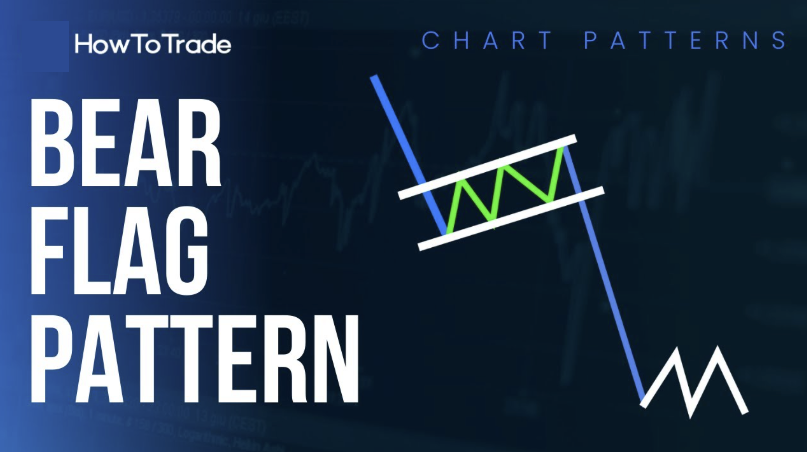
A bear flag pattern occurs when an asset experiences a sharp decline (forming the flagpole), followed by a period of consolidation where price action moves slightly upward or sideways before breaking down again. This structure reflects a temporary pause in selling pressure, allowing weaker hands to exit before institutional traders and high-frequency algorithms push prices lower.

The pattern is most reliable in strong downtrends, as traders and institutional investors look to capitalize on momentum-driven selling. It can be observed in equities, forex, commodities, and cryptocurrency markets.

Key Characteristics of a Bear Flag Pattern

To effectively trade a bear flag, it is essential to recognize its defining traits:

  1. Preceding Downtrend: The pattern must follow a strong and rapid decline, often fueled by negative news, fundamental weaknesses, or broad market sell-offs.
  2. Parallel or Slightly Upward-Sloping Channel: The consolidation phase forms a rectangular flag, with price action moving in a controlled counter-trend manner.
  3. Declining Volume During Consolidation: A healthy bear flag shows reduced volume during the pullback phase, indicating a lack of strong buying interest.
  4. Breakout Confirmation with High Volume: A decisive breakdown below the flag’s support zone, accompanied by increasing volume, confirms the pattern and signals a strong selling opportunity.

Understanding these characteristics can help you avoid misinterpreting false breakouts and suboptimal trade entries.

Anatomy of a Bear Flag Pattern

1. The Flagpole

The flagpole is the initial sharp decline in price that sets up the pattern. It often forms due to:

  • A news-driven event (e.g., earnings misses, regulatory actions, macroeconomic concerns).
  • A breakdown of key technical support levels, triggering stop-loss liquidations.
  • Institutional sell orders increasing downward momentum.

In a bearish flag pattern, the flag pole represents a steep decline in price, driven by strong selling pressure. The steeper and longer the flagpole, the stronger the pattern — as this suggests a prevailing bearish sentiment.

2. The Flag (Consolidation Phase)

After the strong drop, a bearish consolidation phase occurs, forming a flag-like structure.

  • This period of stability occurs as traders digest recent losses and reposition.
  • The price action moves in a controlled, upward-sloping or horizontal manner, often forming a bearish rising wedge or parallel channel.
  • Buying volume remains weak, signaling that demand is insufficient to reverse the prior downtrend.

A proper bear flag does not retrace more than 50% of the flagpole — if it does, the pattern becomes less reliable.

3. The Breakdown (Continuation of the Downtrend)

The breakout occurs when the price breaks below the lower boundary of the flag, resuming the initial bearish momentum.

  • Volume spikes on the breakdown confirm institutional participation and algorithmic selling.
  • A measured move projection (discussed later) can help determine potential price targets.

Traders who focus on drawing stock charts correctly can more effectively track price trends and confirm bearish continuation signals.

Significance of the Bear Flag Pattern

You can use the bear flag pattern for several reasons:

  1. High Probability of Trend Continuation: When a bear flag forms in a well-established downtrend, the likelihood of further downside movement is statistically high.
  2. Well-Defined Trade Parameters: Unlike other chart patterns that require subjective analysis, the bear flag offers clear entry, stop-loss, and profit targets.
  3. Works Across Multiple Timeframes: Swing traders use bear flags on daily charts, while day traders look for them on shorter timeframes (5-minute, 15-minute, 1-hour charts).
  4. Institutional Activity Confirmation: The declining volume in the consolidation phase suggests that large investors are not accumulating, reinforcing bearish sentiment.

A strong understanding of identifying trends in stock charts helps you differentiate between temporary pullbacks and true continuation patterns like the bear flag.

Bull Flag Pattern vs. Bear Flag: Key Differences

While both bull and bear flags share structural similarities, they signal opposite trends:

Feature Bear Flag Pattern Bull Flag Pattern
Market Trend Downtrend Uptrend
Flagpole Direction Sharp decline Sharp rally
Consolidation Phase Slight upward slope Slight downward slope
Breakout Direction Downward Upward
Volume Confirmation High volume on breakdown High volume on breakout

Recognizing these differences helps you avoid misidentifying patterns and making costly mistakes.

Trading Strategies for Bear Flag Patterns

Successfully trading the bear flag pattern requires a disciplined approach that incorporates confirmation signals, strategic entry and exit points, and effective risk management. While the pattern itself provides a roadmap for potential price movements, traders must validate each trade setup with additional technical factors to avoid false breakouts.

Waiting for Breakout Confirmations

Entering before confirmation increases the risk of false breakouts. Traders should wait for:

  • A decisive break below the flag’s support.
  • A volume spike confirming strong selling pressure.
  • RSI (Relative Strength Index) below 40 or a bearish MACD crossover.

Determining Entry Points

The goal is to time the entry after a confirmed breakdown to avoid false signals and ensure the trade aligns with prevailing market momentum.

  • Enter on a confirmed breakdown with strong momentum.
  • Use a sell stop order below the flag’s support.
  • Watch for a retest of the broken support before entry.

Identifying Exit Points

You should set realistic profit targets based on the pattern’s structure and overall market conditions.

  • Target a measured move by projecting the flagpole’s height downward.
  • Use previous support levels for take-profit zones.
  • Adjust stops based on RSI or a trailing stop strategy.

Risk Management Techniques

Proper risk controls help you keep losses manageable while allowing for high-reward opportunities.

  • Place stop-loss above the consolidation range.
  • Maintain a 1:2 risk-to-reward ratio.
  • Limit trade risk to 1-2% of total capital.

Pros and Cons of Trading Bear Flag Patterns

Pros

  • High probability setup in strong downtrends.
  • Clear entry and exit points.
  • Provides a structured approach for short-selling.
  • Works across multiple asset classes and timeframes.

Cons

  • False breakouts can lead to whipsaws.
  • Requires volume confirmation for reliability.
  • Less effective in choppy or sideways markets.

Effectively Utilizing the Bear Flag Pattern in Trading

The bear flag pattern is a valuable continuation setup for traders looking to capitalize on sustained downtrends.  For in-depth market analysis and real-time trade alerts, consider joining Above the Green Line’s premium membership. You can also refine your technical analysis skills with our guides on trading patterns and the Bear Pennant trading pattern.

Related Articles

Cup and Handle Pattern

How To Identify and Trade the Cup and Handle Pattern

The cup and handle pattern is a well-known technical analysis formation that signals a potential bullish continuation in stocks and ...
Read More
Head and Shoulder pattern

Understanding How To Trade the Head and Shoulders Chart Pattern

The head and shoulders pattern stands as one of technical analysis's most recognized and significant chart formations. This price action ...
Read More
Rising Wedge Pattern

How To Recognize and Trade the Rising Wedge Pattern
The rising wedge stock pattern represents a significant technical formation in financial markets, characterized by converging trendlines that slope upward ...
Read More
Bullish Flag Pattern

The Bull Flag Chart Pattern Explained

A bull flag is a continuation pattern that forms in the middle of an established bullish trend. It signals a ...
Read More
Double Bottom Pattern

What Is a Double Bottom Pattern?

The double bottom pattern is one of the strongest reversal patterns in technical analysis, often used to identify a reversal ...
Read More
  • Previous
  • 1
  • …
  • 3
  • 4
  • 5
  • 6
  • 7
  • …
  • 15
  • Next
Loading...

January 31, 2025

How To Identify and Trade the Cup and Handle Pattern

Cup and Handle Pattern

By ATGL

Updated April 14, 2025

The cup and handle pattern is a well-known technical analysis formation that signals a potential bullish continuation in stocks and other tradable assets. By understanding how to identify and trade this pattern effectively, you can take advantage of potential breakouts and optimize your investment strategies.

What Is a Cup and Handle Pattern?

A cup and handle pattern is a bullish continuation pattern that forms during an upward trend and resembles the shape of a teacup when plotted on a price chart. It was introduced by William J. O’Neil in his book How to Make Money in Stocks and is widely used by traders to identify potential breakout opportunities.

Key Characteristics:

  • Cup Formation: The cup should have a rounded bottom, which forms after a downward trend, followed by a gradual recovery.
  • Handle Formation: A small consolidation phase (handle) follows the cup, often forming a slight downward drift.
  • Breakout Point: The price breaks above the resistance level, confirming the pattern.

This pattern typically appears over weeks or months and is a strong technical indicator of potential upward momentum.

Cup and Handle Formation: Components To Identify

Cup Shape

The cup should have a rounded bottom, showing a gradual price decline and subsequent recovery. A U-shaped cup is preferred over a V-shape, as it indicates strong support and a healthy consolidation period. The depth of the cup should not be excessively deep, as a shallower cup generally signals stronger technical patterns.

Handle Formation

The handle should form on the right side of the cup as a brief pullback or sideways movement. It should be relatively small compared to the cup (typically retracing less than one-third of the cup’s height). A downward-sloping handle is normal, but excessive downward movement weakens the setup.

Volume

Declining volume during the cup formation suggests weak selling pressure. Increased volume on the breakout confirms strong buying interest.

Breakout

The breakout occurs when the price surpasses the handle’s resistance level, confirming the breakout level. A successful breakout is typically accompanied by high trading volume, providing a strong bullish signal and market conviction. Incorporating stock forecasting techniques can further enhance your ability to identify high-probability breakouts.

How To Trade on the Cup and Handle Pattern: Rules and Strategies

Once you have identified the cup and handle pattern, the next step is executing a profitable trade using key trading strategies.

1. Entry Strategy

  • Enter after the breakout when the price moves above the handle’s resistance level.
  • Look for confirmation with a strong volume surge, indicating market participation.
  • Avoid premature entries before the breakout is confirmed.

2. Stop-Loss Placement

  • Place a stop-loss order slightly below the handle’s low.
  • “If the handle is too wide, adjust your stop-loss to a reasonable loss level that aligns with your risk tolerance.
  • Using support levels as stop indicators can reduce unnecessary losses.

3. Profit Target

  • The expected price move is often equal to the depth of the cup, added to the breakout point.
  • Consider taking partial profits at key resistance levels.
  • Use a trailing stop-loss to lock in gains while allowing further upside.

4. Additional Confirmation

  • The bull flag pattern can sometimes follow a cup and handle breakout, signaling continued bullish strength. Learn to recognize both patterns for additional trading opportunities​.

Common Mistakes in Trading the Cup and Handle Pattern

Trading During Loose Handles

A loose or wide handle indicates uncertainty, leading to a higher risk of a failed breakout. When price action within the handle is erratic, it suggests weak buyer conviction and potential false breakouts.

Solution: Wait for a tight handle formation with controlled movement near the upper portion of the cup. A well-structured handle reflects steady accumulation, reinforcing the breakout’s strength.

Trading from Weak Base Positions

A cup with an excessively deep base suggests instability and excessive prior selling pressure, making the breakout less reliable. The deeper the cup, the more volatile the price action, which can lead to weak follow-through after the breakout.

Solution: Favor shallower, well-formed bases—ideally, one-third to one-half of the preceding trend. This structure reflects stronger accumulation and increases the likelihood of a sustainable upward trend.

Ignoring Volume Confirmation

Breakouts occurring at low volume often lack conviction and increase the likelihood of false breakouts. Strong volume confirms institutional participation and validates the breakout.

Solution: Verify that volume surge accompanies the breakout, signaling strong buying interest. Additionally, consider broader market conditions to confirm bullish sentiment and improve trade reliability.

Ignoring Upward-Sloping Handles

An upward-sloping handle suggests premature buying pressure, weakening breakout momentum and increasing the risk of failure. A properly formed handle allows for a healthier consolidation before the breakout.

Solution: Look for sideways or slightly downward handles that consolidate price action. This structure helps shake out weak hands and strengthens the breakout potential.

Learn To Trade on the Cup and Handle Patterns With ATGL

At Above the Green Line, we provide expert guidance on recognizing and trading high-probability chart patterns like the cup and handle pattern. Our resources, including insights into stock forecasting, help traders make informed decisions in the market​.

For exclusive trading insights and pattern breakdowns, explore our trading patterns section, where you’ll find in-depth analyses of setups like the bull flag pattern​.

Sign up for an Above the Green Line membership and gain access to insights, strategic education, and market analysis to support your trading journey.

FAQs About the Cup and Handle Stock Pattern

Is the Cup and Handle Pattern Bullish?

Yes, it is a bullish continuation pattern, indicating a potential uptrend after a period of accumulation.

What Are the Rules for a Cup and Handle Pattern?

The key rules include:

  • The cup should have a rounded bottom.
  • The handle should be relatively small.
  • Breakouts should occur above the handle’s resistance, supported by high volume.

What Is the Success Rate of the Cup and Handle Pattern?

The success rate varies, but studies suggest it has a high probability of breakout success, particularly when volume supports the move.

How Deep Should a Cup and Handle Pattern Be?

The ideal depth is typically one-third to one-half of the preceding trend. A very deep cup can indicate weakness in the setup.

Related Articles

Cup and Handle Pattern

How To Identify and Trade the Cup and Handle Pattern

The cup and handle pattern is a well-known technical analysis formation that signals a potential bullish continuation in stocks and ...
Read More
Head and Shoulder pattern

Understanding How To Trade the Head and Shoulders Chart Pattern

The head and shoulders pattern stands as one of technical analysis's most recognized and significant chart formations. This price action ...
Read More
Rising Wedge Pattern

How To Recognize and Trade the Rising Wedge Pattern

The rising wedge stock pattern represents a significant technical formation in financial markets, characterized by converging trendlines that slope upward ...
Read More
Bullish Flag Pattern

The Bull Flag Chart Pattern Explained

A bull flag is a continuation pattern that forms in the middle of an established bullish trend. It signals a ...
Read More
Double Bottom Pattern

What Is a Double Bottom Pattern?

The double bottom pattern is one of the strongest reversal patterns in technical analysis, often used to identify a reversal ...
Read More
  • Previous
  • 1
  • …
  • 3
  • 4
  • 5
  • 6
  • 7
  • …
  • 15
  • Next
Loading...

January 29, 2025

Understanding How To Trade the Head and Shoulders Chart Pattern

Head and Shoulder pattern

By ATGL

Updated January 29, 2025

The head and shoulders pattern stands as one of technical analysis’s most recognized and significant chart formations. This price action pattern signals a potential trend reversal, marking a transition from bullish to bearish market conditions when it appears in an uptrend. For traders focused on stock forecasting, understanding this pattern provides valuable insights into possible market direction changes.

What Is a Head and Shoulders Chart Pattern?

A head and shoulders pattern forms when price action creates three peaks, with the middle peak (head) rising higher than the two surrounding peaks (shoulders). The pattern takes shape through a sequence of price movements: an upward trend to the left shoulder, a pullback, a higher peak forming the head, another pullback, and finally, a lower peak creating the right shoulder. A line connecting the lows between these peaks forms the neckline, which serves as a critical reference point for trading decisions.

This formation typically indicates a bearish reversal, suggesting that an upward trend may be losing momentum and preparing to shift direction. The pattern’s completion occurs when the price breaks below the neckline, often leading to a significant downward movement.

What Is the Inverse Head and Shoulders Pattern?

The inverse head and shoulders chart pattern mirrors the traditional formation but appears at market bottoms. As a bullish pattern, it signals a potential reversal from bearish to bullish conditions. This variation shows three troughs instead of peaks, with the middle trough (head) dipping lower than the two surrounding troughs (shoulders). The pattern completes when the price breaks above the neckline, potentially initiating an upward trend.

Head and Shoulders Pattern Rules to Identify It

Understanding the key components helps traders accurately identify this pattern and distinguish it from similar formations.

Three Peaks

The pattern requires three distinct peaks, with the middle peak notably higher than the others. The left and right shoulders should reach approximately similar height levels, though perfect symmetry rarely occurs in real market conditions. These peaks should develop over a sufficient time frame to represent genuine market momentum shifts rather than short-term price fluctuations.

Declining Peaks

After forming the head, subsequent price action should demonstrate declining momentum. The right shoulder must peak at a lower level than the head, indicating diminishing buying pressure. This declining peak structure provides evidence of weakening bullish sentiment and strengthening bearish forces in the market.

Neckline

The neckline connects the lows between the peaks, serving as a support level. While textbook patterns show a horizontal neckline, in practice, this line often appears slightly ascending or descending. The angle of the neckline can influence the pattern’s reliability and potential price targets after breakdown.

Volume Confirmation

Volume patterns typically show higher trading activity during the formation of the left shoulder and head, with declining volume during the right shoulder’s development. This volume signature helps confirm the pattern’s validity, as decreasing volume during the right shoulder formation suggests waning buying interest.

Head and Shoulders Pattern Trading: 5 Tips

Successfully trading this pattern requires careful attention to entry timing, position sizing, and risk management.

  1. Wait for neckline breakdown confirmation before entering trades: A decisive break below the neckline, accompanied by increased volume, provides stronger confirmation of the pattern’s completion.
  2. Calculate price targets using the pattern’s height: Measure the vertical distance from the head to the neckline, then project this distance downward from the neckline break point to establish a potential price objective.
  3. Monitor volume during pattern formation and breakdown: Strong volume during the breakdown confirms the pattern’s validity and increases the probability of a successful trade.
  4. Consider multiple time frames when analyzing the pattern: Patterns appearing on larger time frames often provide more reliable signals than those on shorter time frames.
  5. Use additional technical indicators for confirmation: Momentum indicators, moving averages, and other technical tools can help validate the pattern’s signals.

Head and Shoulders Chart Pattern Pitfalls to Avoid

Premature Entry

Many traders enter positions before pattern completion, risking false breakouts. Wait for clear neckline breakdown confirmation before initiating trades. This patience helps avoid losses from failed patterns or premature signals.

Ignoring Stop-Losses

Failing to implement proper stop-loss orders exposes traders to excessive risk. Place stops above the right shoulder for short positions, allowing enough room for normal price fluctuations while limiting potential losses.

Trading Unreliable Patterns

Not all head and shoulders formations lead to successful trades. Avoid trading patterns that lack proper proportions, show irregular volume patterns, or form during choppy market conditions.

Master the Head and Shoulders Pattern with Above the Green Line

Transform your trading approach by mastering technical analysis patterns with Above the Green Line’s comprehensive trading resources. Our membership provides access to expert analysis, real-time pattern identification tools, and educational resources that help you spot and trade these patterns effectively. Visit our membership page to elevate your trading strategy.

FAQs About the Head and Shoulders Pattern

Is head and shoulders a bullish pattern?

The traditional head and shoulders pattern indicates bearish sentiment and potential downward price movement. However, its inverse variation (inverse head and shoulders) represents a bullish signal, suggesting possible upward price movement.

What is the rule of head and shoulder pattern?

The primary rule requires three peaks with the middle peak (head) higher than the two surrounding peaks (shoulders), connected by a neckline through their lows. Valid patterns should demonstrate appropriate volume characteristics and a clear neckline break for confirmation.

What usually happens after a head and shoulders pattern?

Following a confirmed head and shoulders chart pattern completion (neckline break), prices typically decline by a distance at least equal to the pattern’s height. However, market conditions and other factors can influence the extent of the subsequent price movement.

How reliable is the head and shoulders pattern?

When properly formed and confirmed, the head and shoulders pattern demonstrates approximately 75% reliability in predicting price reversals. Success rates increase when the pattern appears on higher time frames and receives confirmation from multiple technical indicators.


Related Articles

Cup and Handle Pattern

How To Identify and Trade the Cup and Handle Pattern

The cup and handle pattern is a well-known technical analysis formation that signals a potential bullish continuation in stocks and ...
Read More
Head and Shoulder pattern

Understanding How To Trade the Head and Shoulders Chart Pattern

The head and shoulders pattern stands as one of technical analysis's most recognized and significant chart formations. This price action ...
Read More
Rising Wedge Pattern

How To Recognize and Trade the Rising Wedge Pattern

The rising wedge stock pattern represents a significant technical formation in financial markets, characterized by converging trendlines that slope upward ...
Read More
Bullish Flag Pattern

The Bull Flag Chart Pattern Explained

A bull flag is a continuation pattern that forms in the middle of an established bullish trend. It signals a ...
Read More
Double Bottom Pattern

What Is a Double Bottom Pattern?

The double bottom pattern is one of the strongest reversal patterns in technical analysis, often used to identify a reversal ...
Read More
  • Previous
  • 1
  • …
  • 3
  • 4
  • 5
  • 6
  • 7
  • …
  • 15
  • Next
Loading...

December 23, 2024

How To Recognize and Trade the Rising Wedge Pattern

Rising Wedge Pattern

By ATGL

Updated December 23, 2024

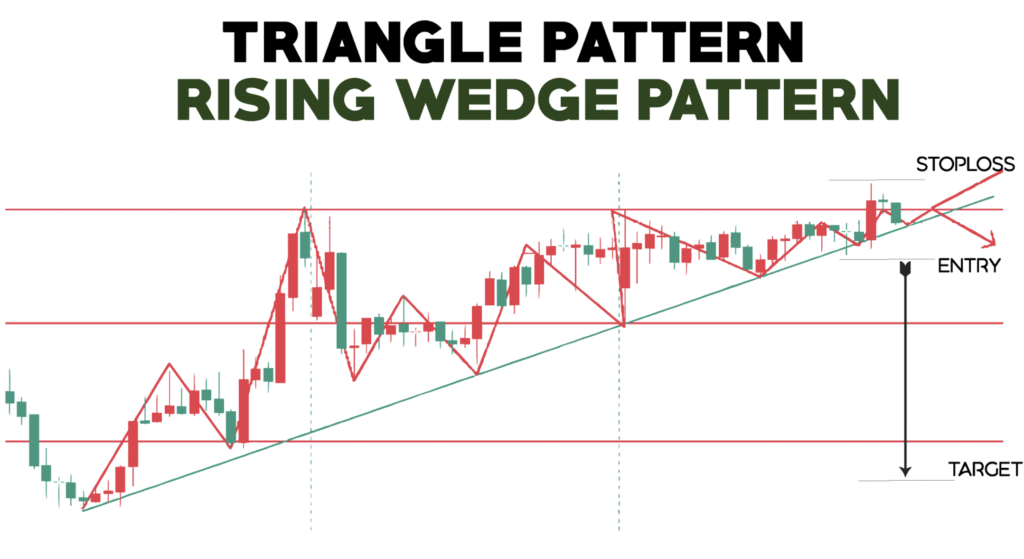
The rising wedge stock pattern represents a significant technical formation in financial markets, characterized by converging trendlines that slope upward as price action narrows. This pattern typically indicates exhaustion in an upward trend, making it valuable for traders seeking optimal exit points or potential shorting opportunities.

What Is a Rising Wedge Pattern and Why Does It Form?

A rising wedge develops when price action creates higher highs and higher lows but with diminishing momentum as the pattern progresses. The upper trendline connects the higher highs, while the lower trendline connects the higher lows, both moving upward but at different angles that eventually converge.

This formation often materializes during the later stages of an uptrend, signaling waning buying pressure. Unlike its counterpart — the falling wedge pattern, which forms during downtrends and suggests potential bullish reversals — the rising wedge typically precedes bearish price movements.

The pattern forms due to several market dynamics:

  • Declining trading volume despite rising prices
  • Reduced momentum in price advances
  • Growing selling pressure meeting diminishing buying interest
  • Technical resistance levels affecting price action

How To Identify a Rising Wedge Pattern

Chart Patterns To Look For

Recognizing a valid rising wedge requires attention to specific characteristics.

The price channel must display two converging trendlines sloping upward, with the lower trendline rising more steeply than the upper trendline. This compression reflects declining buying momentum and suggests potential selling pressure building within the trading pattern.

Trading volume typically decreases as the pattern develops, indicating reduced buyer conviction. This declining volume often precedes a breakdown, particularly when accompanied by bearish divergence in momentum indicators.

Indicators To Confirm the Pattern

Successful traders complement pattern recognition with technical indicators to validate potential trade setups, which include:

  • Relative Strength Index (RSI): Watch for bearish divergence where price makes higher highs while RSI shows lower highs, suggesting weakening momentum.
  • Moving Average Convergence Divergence (MACD): Declining MACD histogram bars or bearish crossovers can confirm weakening upward momentum.
  • Volume Analysis: Decreasing volume during pattern formation, followed by increased volume during breakdowns, helps confirm pattern validity.

Trading Strategies Using Rising Wedge Patterns

Entry and Exit Points

Strategic trade execution requires precise entry and exit planning. Conservative traders often wait for a confirmed breakdown below the lower trendline before entering short positions. This approach may sacrifice some potential profit but provides higher probability setups.

Entry strategies include:

  • Placing orders slightly below the lower trendline
  • Using the previous day’s low as a trigger point
  • Monitoring volume spikes for confirmation

Setting Profit Targets

Calculate profit targets using these methods:

  • Measure the widest part of the wedge and project downward from the breakdown point
  • Use previous support levels as target areas
  • Apply Fibonacci retracement levels to determine potential reversal points

Utilizing Indicators Like MACD and Bollinger Bands

Combine multiple indicators to strengthen trading decisions:

Price Target = Breakdown Point – Pattern Height

This formula provides an initial target, but you should consider market context and support levels when planning exits.

Advantages and Disadvantages of Trading Rising Wedges

Understanding the strengths and limitations of trading rising wedge stock patterns proves essential for developing an effective trading approach.

Advantages

  • Clear Visual Pattern Recognition: The rising wedge’s distinctive shape, with its converging upward trendlines, makes it visually identifiable on price charts. This visual clarity helps you spot potential setups more readily and reduces the likelihood of pattern misidentification.
  • Defined Risk Parameters: The structure of rising wedges provides natural points for stop-loss placement, typically just above the upper trendline. This built-in risk management feature allows traders to establish precise exit points and calculate position sizes based on their risk tolerance.
  • Multiple Confirmation Methods: Rising wedges offer various ways to validate trading signals through volume analysis, momentum indicators, and price action. This multi-faceted confirmation approach helps you build confidence in your trading decisions and reduce false signal risks.
  • Versatility Across Time Frames: The pattern works effectively across different time frames, from intraday charts to weekly analyses. This flexibility makes it valuable for both short-term traders and longer-term position holders who can adapt their strategies when swing trading or position trading.

Disadvantages

  • False Breakout Vulnerability: Rising wedges can experience fake-outs, where price temporarily breaks below the lower trendline before reversing upward. These false signals can trigger premature entries and lead to unnecessary losses if proper confirmation isn’t obtained.
  • Time-Intensive Pattern Development: The formation of a complete rising wedge typically requires significant time to develop, often weeks or months. This extended development period can test your patience and tie up capital while waiting for pattern completion.
  • Complex Volume Analysis Requirements: Proper interpretation demands careful attention to volume patterns throughout the formation. You monitor volume trends alongside price action, which adds complexity to the analysis process and requiring additional technical expertise.
  • Market Context Dependency: Rising wedges don’t exist in isolation — their reliability depends heavily on broader market conditions, support/resistance levels, and overall trend context. This interdependence means you must develop a broader market understanding beyond simple pattern recognition.
  • Timing Precision Challenges: Determining the exact moment of pattern breakdown can prove difficult, as the pattern often exhibits slow deterioration rather than sharp reversals. This gradual nature can complicate entry timing and potentially impact trade profitability.

Approach rising wedge patterns with realistic expectations and appropriate risk management strategies. Success in trading these patterns often comes from leveraging their strengths while implementing measures to mitigate their inherent weaknesses.

FAQs About Rising Wedge Chart Patterns

Is a Rising Wedge Pattern Bullish?

No, the rising wedge pattern typically indicates bearish reversal potential. While prices move higher during pattern formation, the converging trendlines suggest weakening buying pressure and an increased probability of downward movement.

What Happens After a Rising Wedge Pattern?

Following a rising wedge breakdown, prices often decline significantly. The typical measured move equals the height of the pattern projected downward from the breakdown point. However, market conditions and support levels influence the extent of the decline.

What Is the Difference Between a Rising Wedge and a Bull Flag?

Rising wedges show converging trendlines and declining momentum, while bull flags display parallel trendlines and maintain consistent price ranges. Bull flags represent continuation patterns, whereas rising wedges suggest potential reversals.

What Invalidates a Rising Wedge Pattern?

A rising wedge becomes invalid when:

  • Price breaks decisively above the upper trendline
  • Volume increases substantially during upward moves
  • Momentum indicators show strong bullish signals
  • Pattern structure loses its characteristic convergence

Trading Smarter: Lessons from the Rising Wedge Pattern

Mastering the rising wedge pattern requires understanding both its technical aspects and practical applications. Success stems from combining pattern recognition with proper risk management and confirmation signals.

Take your trading to the next level with Above the Green Line’s comprehensive trading education and analysis tools. Our membership programs provide advanced pattern recognition training, real-time market analysis, and professional guidance to help you identify and trade these patterns effectively.

Learn more about our membership benefits and start improving your trading results today.


Related Articles

Cup and Handle Pattern

How To Identify and Trade the Cup and Handle Pattern

The cup and handle pattern is a well-known technical analysis formation that signals a potential bullish continuation in stocks and ...
Read More
Head and Shoulder pattern

Understanding How To Trade the Head and Shoulders Chart Pattern

The head and shoulders pattern stands as one of technical analysis's most recognized and significant chart formations. This price action ...
Read More
Rising Wedge Pattern

How To Recognize and Trade the Rising Wedge Pattern

The rising wedge stock pattern represents a significant technical formation in financial markets, characterized by converging trendlines that slope upward ...
Read More
Bullish Flag Pattern

The Bull Flag Chart Pattern Explained

A bull flag is a continuation pattern that forms in the middle of an established bullish trend. It signals a ...
Read More
Double Bottom Pattern

What Is a Double Bottom Pattern?

The double bottom pattern is one of the strongest reversal patterns in technical analysis, often used to identify a reversal ...
Read More
  • Previous
  • 1
  • …
  • 3
  • 4
  • 5
  • 6
  • 7
  • …
  • 15
  • Next
Loading...

December 23, 2024

The Bull Flag Chart Pattern Explained

Bullish Flag Pattern

By ATGL

Updated December 23, 2024

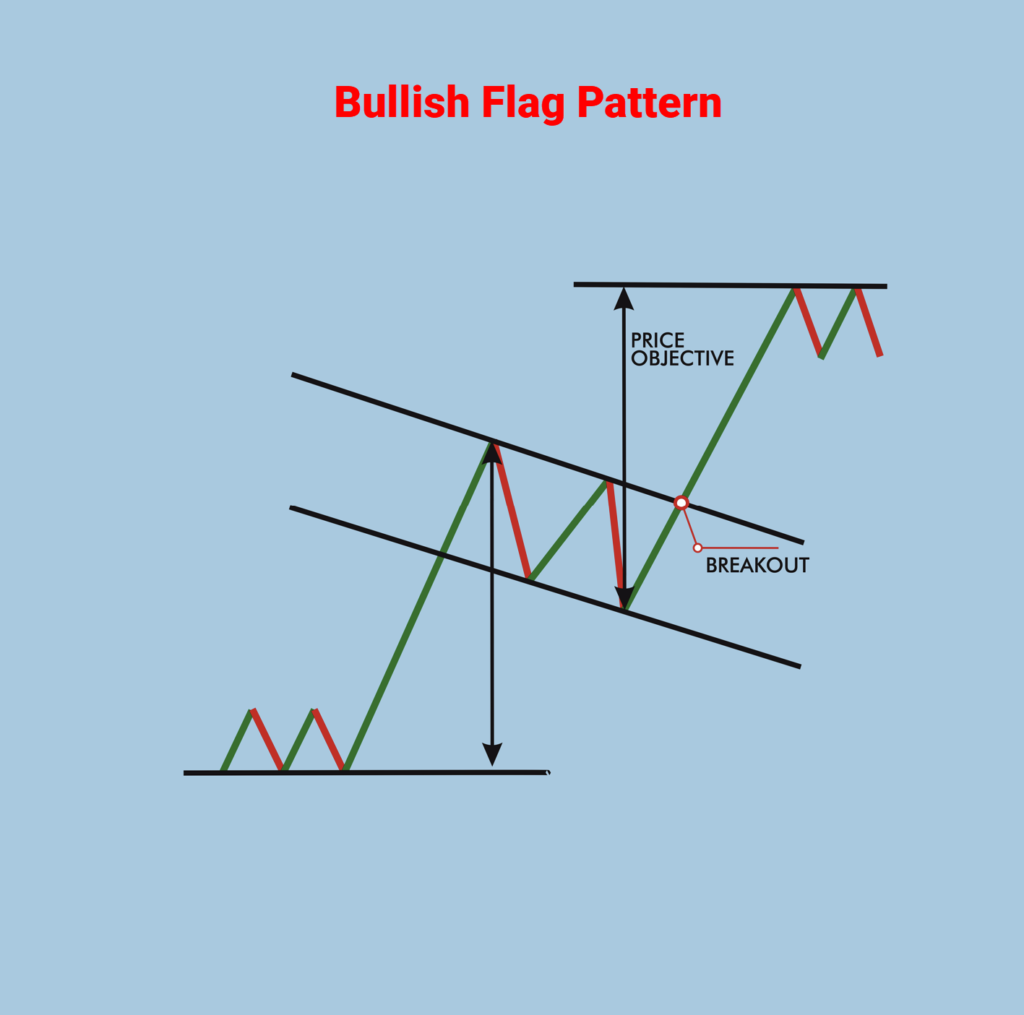
A bull flag is a continuation pattern that forms in the middle of an established bullish trend. It signals a temporary pause or consolidation period before the price resumes its upward trajectory. The pattern gets its name from its resemblance to a flag on a pole, where the “flagpole” is the sharp initial rally, and the “flag portion” represents the consolidation phase.

Traders highly favor this pattern because it provides clear entry points and signals that the prevailing trend is likely to continue. Recognizing the bull flag pattern early lets you ride the momentum of a trend while minimizing downside risks.

Why Traders Rely on the Bull Flag

  • Trend Continuation: It provides confidence that the upward trend will persist after the consolidation period.
  • Risk Management: The clearly defined structure of the pattern helps you set precise entry points, stop-loss levels, and profit targets.
  • High Probability: The bull flag often emerges in liquid and trending markets, making it a reliable signal for many traders.

The bull flag is especially relevant in volatile markets where upward price movement is pronounced, offering opportunities to capture strong breakouts while avoiding false signals.

Formation of a Bull Flag Pattern

The bull flag chart pattern consists of three key phases: the flagpole, the flag formation, and the breakout. This rapid upward movement is one of the clearest indicators of a strong trend.

Knowing how the bull flag forms allows you to identify it in real time. Each phase of its formation tells a story about market dynamics and trader behavior.

1. The Flagpole

The pattern begins with a steep and rapid upward price movement, often driven by a surge in buying activity. This upward move forms the “flagpole,” representing the initial momentum behind the strong uptrend.

Characteristics of the Flagpole:

  • Sharp Uptrend: The price often breaks through resistance levels with strong momentum.
  • High Volume: The rally is usually accompanied by increased trading volume, signaling strong interest from buyers.

2. The Flag (Consolidation Phase)

After the initial surge, the price enters a consolidation period, forming the “flag portion” of the trading pattern. The flag formation follows the initial rally, showing a temporary consolidation phase. This phase is characterized by minor price movements within a tight range, often sloping slightly downward. On a daily chart, this phase may appear as a series of small, parallel price movements, often sloping downward or sideways. Use trendlines to delineate the boundaries of the flag and watch for a potential breakout above the upper boundary.

Key Features of the Flag:

  • Lower Volume: Trading volume tends to decline during consolidation, reflecting reduced activity.
  • Retracement Limits: The price typically retraces no more than 38 to 50% of the flagpole’s length. A deeper retracement or excessive downward price movement may invalidate the pattern.

3. The Breakout

The final phase is the potential breakout, where the price decisively exits the flag portion, resuming the uptrend. This breakout is a confirmation signal to enter a long position.

Breakout Characteristics:

  • Increased Volume: A volume spike during the breakout indicates strong buying interest.
  • Directional Movement: The breakout should move above the upper trendline of the flag, confirming the continuation of the bullish trend.

How To Identify a Bull Flag Pattern

Spotting a bull flag in real time requires a keen eye and a methodical approach. Look for the following visual and technical cues.

Spotting Potential Bull Flags

  1. Look for a Strong Rally: The pattern starts with a sharp upward move, forming the flagpole.
  2. Identify Consolidation: The flag portion should exhibit tight price action within a small range, often sloping slightly downward.
  3. Observe Breakout Potential: Use trendlines to mark the boundaries of the flag, and monitor for an upward breakout above the upper trendline.

High volume during the flagpole, lower volume during the consolidation period, and a spike during the breakout confirm the pattern’s strength. When trading flag patterns, always confirm the breakout with volume and verify the consolidation phase doesn’t invalidate the underlying trend.

Key Characteristics To Look For

  • Steep Flagpole: A robust upward rally is essential for the pattern’s validity.
  • Compact Flag Shape: The flag portion should have a well-defined structure with minor price retracement.
  • Volume Dynamics: High volume during the flagpole, lower volume during the consolidation period, and a spike during the breakout confirm the pattern’s strength.

In addition to visual analysis, technical indicators like moving averages, Relative Strength Index (RSI), and stochastic oscillators can validate the trend and reduce the risk of false signals.

Trading Strategies for Bull Flags

Once you’ve identified a valid bull flag pattern, the next step is to develop a clear trading strategy. Focus on identifying a compact and orderly flag formation, which signals a healthy continuation pattern. This structure shows that the consolidation phase does not invalidate the underlying trend or momentum.

Whether you focus on short-term moves or prefer holding positions longer, understanding the nuances of trading vs. swing trading can help you align your strategy with patterns like the bull flag.

1. Entering at the Breakout

The optimal entry point is when the price breaks above the upper trendline of the flag portion. Waiting for confirmation, such as a strong close above the resistance line, can help reduce the risk of false signals. Use candlestick patterns like bullish engulfing or strong green candles to confirm the breakout. Properly timing the breakout in a pattern like this can capture maximum gains during the subsequent bullish momentum.

2. Using Volume for Confirmation

Volume plays an important role in validating the breakout. A breakout with low volume may indicate a lack of conviction, increasing the likelihood of a failed move. Look for a significant volume increase to confirm the potential breakout.

3. Setting Stop-Loss Orders

Risk management is essential in trading. Place a stop-loss order just below the lower boundary of the flag portion or slightly below the recent swing low. This can help minimize losses if the breakout fails.

4. Targeting Profit Levels

To calculate your profit target, measure the height of the flagpole and project it upward from the breakout point. This technique provides a realistic price target based on the pattern’s structure.

Bear Flag vs. Bull Flag

Key Differences

  • Bull Flag: Forms during an upward price movement and signals continued upward momentum.
  • Bear Flag: Appears during a downward price movement and indicates further declines.

Trading Implications

Bull flags are used for initiating long positions, while bear flags are typically associated with short selling. By recognizing the correct pattern, you can align your trades with the broader market trend, helping you avoid costly mistakes.

Master Stock Trading With Above the Green Line

At Above the Green Line, we empower you with actionable insights and cutting-edge tools to enhance your decision-making. Our proprietary technical analysis models are designed to help you identify high-probability patterns like the bull flag with precision. For additional insights into market trends and opportunities, explore our weekly commentary for expert analysis and updates.

By joining our memberships, you’ll gain access to exclusive resources, expert commentary, and advanced charting tools. Whether you’re exploring the nuances of the bull flag or diving deeper into technical analysis basics, our platform offers the guidance and resources you need to thrive.


Related Articles

Cup and Handle Pattern

How To Identify and Trade the Cup and Handle Pattern

The cup and handle pattern is a well-known technical analysis formation that signals a potential bullish continuation in stocks and ...
Read More
Head and Shoulder pattern

Understanding How To Trade the Head and Shoulders Chart Pattern

The head and shoulders pattern stands as one of technical analysis's most recognized and significant chart formations. This price action ...
Read More
Rising Wedge Pattern

How To Recognize and Trade the Rising Wedge Pattern

The rising wedge stock pattern represents a significant technical formation in financial markets, characterized by converging trendlines that slope upward ...
Read More
Bullish Flag Pattern

The Bull Flag Chart Pattern Explained

A bull flag is a continuation pattern that forms in the middle of an established bullish trend. It signals a ...
Read More
Double Bottom Pattern

What Is a Double Bottom Pattern?

The double bottom pattern is one of the strongest reversal patterns in technical analysis, often used to identify a reversal ...
Read More
  • Previous
  • 1
  • …
  • 3
  • 4
  • 5
  • 6
  • 7
  • …
  • 15
  • Next
Loading...
  • « Previous Page
  • 1
  • …
  • 3
  • 4
  • 5
  • 6
  • 7
  • …
  • 15
  • Next Page »

Subscribe to Our Newsletter

AGL Logo

Get our eBook Now!

Candlestick - A Swing Traders Friend

We don’t spam! Read our privacy policy for more info.

Check your inbox or spam folder to confirm your subscription.

Voted #1 at Stock Charts

SH Chart
Inverse S&P 500 Fund (SH) will have a Money Wave Buy today.

Help Us Help Animals

Help Us Help Animals

Recent Comments

  • AbovetheGreenLine on Green Line Weekly Aug 27, 2023
  • lbrodt on Green Line Weekly Aug 27, 2023
  • Mitch Van Zelfden on Money Wave Alert! Jul 31, 2023
  • AbovetheGreenLine on Money Wave Alert! Jul 31, 2023
  • Mitch Van Zelfden on Money Wave Alert! Jul 31, 2023

Become a Green Liner!

Help me make more Money in the Stock Market.

Investing with Rules.

On ATGL

  • DashBoard
  • Weekly Commentary
  • Daily Buy / Sell Signals
  • Day Trade Setup
  • Trading Rooms

Strategies

  • Swing Trading
  • ATGL Pick of the Week
  • Dividend Growth
  • ETF Sector Rotation
  • Dogs of the Dow

Help

  • ATGL Trading Rules
  • FAQ
  • Account Maintenance
  • Contact US
  • Join

Stay Updated

No credit card required. Unsubscribe anytime

Check your inbox or spam folder to confirm your subscription.

© 2024 Above The Green Line. All rights reserved.

  • Twitter
  • LinkedIn
  • YouTube