• Market Insights
        • Commentary
          • Daily
          • Weekly
        • BUY / SELL SIGNALS
          • Trade Posts
          • Recent Trade Alerts
          • Recent Day Trades
        • BLOGROLL
          • Dividend Growth Blog
          • ETF Sector Blog
          • Dow Dogs
          • TPOW Blog
  • Strategies
        • SWING TRADING
          • Current Positions
          • Watchlists
          • Closed Positions
          • Candidates - TOP 100
          • Specialty Stocks
        • WEEKLY STOCK PICK
          • TPOW Charts
          • TPOW Performance
          • TPOW Strategy Guide
          • TPOW Performance Dashboard
        • DAY TRADING
          • Watch List
        • ATGL DASHBOARD
        • ETF STRATEGIES
          • ETF Sector Rotation
          • ETF Sector Portfolio
        • DIVIDEND GROWTH
          • Dividend Growth Portfolio
          • Dividend Calendar
        • DOGS OF THE DOW
          • Dogs of the Dow Portfolio
          • DOW 5 Portfolio
  • Markets
        • US MARKET
          • Commodities
          • Energy
          • Precious Metals
          • Volatility
        • GLOBAL MARKETS
          • Market Indices
          • Economic Calendar
          • FOREX Heat Map
          • FOREX Cross Rates
          • Crypto Currency Market
  • Investing
    • Discord Community
    • Dashboard
  • Resources
        • ARTICLES
          • Dividend Growth Model Articles
          • ETF Articles
          • Investment Strategies Articles
          • Market and Economic Insights
          • Stock Trade Articles
          • Stock Reviews
        • TOOLS
          • Stock Scanners
          • Charting Software
          • Brokerage Firms
        • STOCK CHARTS
          • Key Components
          • Reading Charts
          • Drawing Stock Charts
          • Identifying Trends
        • RETIREMENT PLANNING
  • About
    • Contact Us
    • How to Win
    • #1 At Stockcharts
    • Disclaimer
    • FAQ
  • Log In
  • Subscribe
Menu
  • Market Insights
    • Commentary
      • Daily
      • Weekly
    • BUY / SELL SIGNALS
      • Trade Posts
      • Recent Trade Alerts
      • Recent Day Trades
    • BLOGROLL
      • Dividend Growth Blog
      • ETF Sector Blog
      • Dow Dogs
      • TPOW Blog
  • Strategies
    • SWING TRADING
      • Current Positions
      • Watchlists
      • Closed Positions
      • Candidates – TOP 100
      • Specialty Stocks
    • DAY TRADING
      • Watch List
    • WEEKLY STOCK PICK
      • TPOW Charts
      • TPOW Performance
      • TPOW Strategy Guide
      • TPOW Performance Dashboard
    • DIVIDEND GROWTH
      • Dividend Growth Portfolio
      • Dividend Calendar
    • DOGS OF THE DOW
      • Dogs of the Dow Portfolio
      • DOW 5 Portfolio
    • ETF STRATEGIES
      • ETF Sector Rotation
      • ETF Sector Portfolio
    • ATGL DASHBOARD
  • Markets
    • US MARKET
      • Commodities
      • Energy
      • Precious Metals
      • Volatility
    • GLOBAL MARKETS
      • Market Indices
      • Economic Calendar
      • FOREX Heat Map
      • FOREX Cross Rates
      • Crypto Currency Market
  • Investing
    • Discord Community
    • Dashboard
  • Resources
    • ARTICLES
      • Dividend Growth Model Articles
      • ETF Articles
      • Investment Strategies Articles
      • Market and Economic Insights
      • Stock Trade Articles
      • Stock Reviews
    • TOOLS
      • Stock Scanners
      • Charting Software
      • Brokerage Firms
    • STOCK CHARTS
      • Key Components
      • Reading Charts
      • Drawing Stock Charts
      • Identifying Trends
    • RETIREMENT PLANNING
  • About
    • Contact Us
    • How to Win
    • #1 At Stockcharts
    • Disclaimer
    • FAQ
  • Log Out
    • Members-Page
    • Referral
  • Log In
  • Subscribe
Log In
Log Out
Subscribe

April 20, 2025

Ichimoku Cloud Explained: A Comprehensive Guide to Trend and Momentum
Ichimoku Cloud Explained

By ATGL

Updated April 20, 2025

Introduction

In the world of technical analysis, few indicators offer as much versatility and depth as the Ichimoku Cloud. Originally developed by Japanese journalist Goichi Hosoda in the late 1930s, the Ichimoku Kinko Hyo—meaning “one glance equilibrium chart”—provides traders with a complete view of market conditions at a single glance. This powerful tool helps identify trends, gauge momentum, and pinpoint support and resistance zones with remarkable clarity.

In this guide, we will break down the components of the Ichimoku Cloud, explain how to interpret it, and explore how to apply it to your trading strategy with confidence.

What Is the Ichimoku Cloud?

The Ichimoku Cloud is a comprehensive indicator designed to provide multiple insights simultaneously. Unlike many other indicators that serve one specific purpose, the Ichimoku Cloud delivers a broader perspective on price action, capturing both current and future potential trends.

Its key strength lies in its ability to illustrate dynamic support and resistance levels, identify trend direction, and deliver timely trading signals—all from a single visual framework. It’s especially popular in Forex, equities, and crypto trading due to its adaptability across timeframes.

Components of the Ichimoku Cloud

The Ichimoku Cloud is made up of five key components, each serving a unique purpose. When used together, these lines form a complete visual system that shows trend direction, momentum, and support/resistance at a glance.

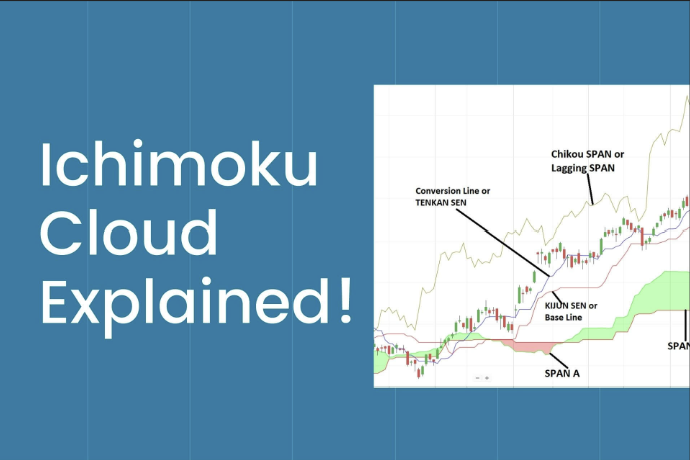
  1. Tenkan-sen (Conversion Line)

  • Formula: (9-period high + 9-period low) ÷ 2
  • Purpose: This is the short-term trend indicator.
  • Interpretation: The Tenkan-sen reacts quickly to price movement and can be seen as a fast-moving average. When it crosses above the Kijun-sen, it signals potential bullish momentum; when it crosses below, it may signal bearish momentum.
  • Use in Strategy: Acts as a signal line for entries and a guide for short-term support/resistance.
  1. Kijun-sen (Base Line)

  • Formula: (26-period high + 26-period low) ÷ 2
  • Purpose: Reflects the medium-term trend.
  • Interpretation: The Kijun-sen is slower than the Tenkan-sen and acts like a trailing indicator. A rising Kijun-sen suggests an uptrend; a falling Kijun-sen suggests a downtrend.
  • Use in Strategy: Often used as a confirmation line or trailing stop level.
  1. Senkou Span A (Leading Span A)

  • Formula: (Tenkan-sen + Kijun-sen) ÷ 2 (plotted 26 periods ahead)
  • Purpose: Forms one boundary of the Ichimoku Cloud.
  • Interpretation: Span A reacts more quickly than Span B and shifts with changes in short-to-mid-term momentum.
  • Use in Strategy: When Span A is above Span B, it creates a green “Kumo” (cloud) indicating bullish momentum.
  1. Senkou Span B (Leading Span B)

  • Formula: (52-period high + 52-period low) ÷ 2 (plotted 26 periods ahead)
  • Purpose: Forms the second boundary of the cloud.
  • Interpretation: Span B reacts more slowly due to a longer lookback period, creating a more stable support/resistance zone.
  • Use in Strategy: When Span B is above Span A, the cloud turns red, indicating bearish sentiment.
  1. Chikou Span (Lagging Span)

  • Formula: Current closing price plotted 26 periods behind
  • Purpose: Offers confirmation of current trend momentum.
  • Interpretation: If the Chikou Span is above past price levels, the trend is likely bullish; if below, bearish.
  • Use in Strategy: Acts as a secondary confirmation signal—traders often wait for the Chikou Span to confirm a breakout or trend continuation.

How These Components Work Together

The brilliance of the Ichimoku system is that each component reinforces the others:

  • The cloud (Kumo) itself acts as dynamic support/resistance.
  • The Tenkan/Kijun crossover provides early entry signals.
  • The Chikou Span confirms whether price action aligns with the trend.

This synergy allows traders to quickly determine whether to stay in a trade, take profit, or avoid entering altogether. Once you become familiar with interpreting all five components simultaneously, you’ll have a comprehensive, visual edge in the market.

Refer to the illustration above to see how each component of the Ichimoku Cloud is plotted and interacts with price action in a real chart example.

Components of Ichimoku Cloud

How to Read the Ichimoku Cloud

Reading the Ichimoku Cloud involves analyzing the relationship between price action and the five key components of the system. Unlike traditional indicators, which often provide a single data point, the Ichimoku system gives a layered view of trend direction, momentum, and potential support/resistance areas—all in one glance.

The central feature of the system is the Kumo, or cloud, formed by Senkou Span A and Senkou Span B. This shaded region acts as a dynamic area of support and resistance. The cloud’s location relative to the current price provides critical trend insight:

  • Price above the cloud = Bullish trend
  • Price below the cloud = Bearish trend
  • Price inside the cloud = Consolidation or indecision

The thickness of the cloud also matters. A thicker cloud suggests stronger resistance or support, making it harder for price to break through. A thin cloud may indicate weakening momentum and a potential reversal.

Another important signal comes from the interaction between the Tenkan-sen (Conversion Line) and Kijun-sen (Base Line). When the Tenkan-sen crosses above the Kijun-sen, it creates a bullish signal, especially when both are positioned above the cloud. Conversely, a bearish signal forms when the Tenkan-sen crosses below the Kijun-sen, particularly when this happens below the cloud.

The Chikou Span (Lagging Line) serves as a confirmation tool. It is plotted 26 periods behind the current price and is used to validate current trend strength:

  • Chikou Span above the price = Confirms bullish conditions
  • Chikou Span below the price = Confirms bearish conditions

Color changes in the cloud also reflect momentum. When Senkou Span A is above Senkou Span B, the cloud is typically green, indicating bullish momentum. When Span A falls below Span B, the cloud turns red, signaling bearish sentiment.

By learning to read the Ichimoku Cloud’s structure—where the price sits in relation to the cloud, how the lines interact, and what the Chikou Span confirms—traders can develop a multi-dimensional view of the market to guide more strategic decisions.

Key Trading Signals

The Ichimoku Cloud system generates several types of trading signals that help traders identify potential entries, exits, and trend confirmations. These signals are most powerful when multiple components align in the same direction, providing a confluence of evidence before a trade is placed.

One of the most widely used signals is the Tenkan-sen and Kijun-sen crossover, which functions similarly to a moving average crossover. When the Tenkan-sen (Conversion Line) crosses above the Kijun-sen (Base Line), it generates a bullish signal, suggesting the start or continuation of upward momentum. Conversely, when the Tenkan-sen crosses below the Kijun-sen, it signals a potential bearish reversal or downward momentum. These crossovers are more reliable when they occur in favorable trend conditions—for example, above the cloud in an uptrend or below the cloud in a downtrend.

The Kumo Breakout, or cloud breakout, is another critical signal. When the price breaks above the cloud, it often indicates the beginning of a bullish trend. A break below the cloud typically suggests bearish conditions. Traders often wait for confirmation from other elements, such as the Chikou Span or a bullish crossover, before acting on a breakout alone.

A more subtle but meaningful signal is the Kumo Twist, which occurs when Senkou Span A crosses over Senkou Span B in the future projection. A bullish twist (Span A moves above Span B) turns the cloud green and can hint at upcoming bullish momentum, while a bearish twist (Span A falls below Span B) turns the cloud red and may suggest weakening market strength.

The Chikou Span (Lagging Line) serves as a critical confirmation signal. Traders look at whether the Chikou Span is positioned above or below past price action. A Chikou Span above price confirms bullish signals and reinforces the potential strength of an uptrend, while a Chikou Span below price confirms bearish sentiment.

To summarize the key signals:

  • Bullish and Bearish Crosses: Tenkan-sen crosses above or below Kijun-sen.
  • Kumo Breakouts: Price breaks through the cloud from below (bullish) or above (bearish).
  • Kumo Twists: Span A crosses Span B, signaling a potential change in trend direction.
  • Lagging Span Confirmation: Chikou Span supports the trend when aligned above (bullish) or below (bearish) the price.

These signals are most effective when they align across multiple components, helping traders filter out noise and focus on high-probability setups. By understanding and applying these signals in the right context, traders can more confidently navigate market trends and reversals.

Popular Ichimoku Cloud Trading Strategies

The Ichimoku Cloud isn’t just an indicator—it’s a complete trading system. When used correctly, it offers a structured way to build strategies for trend-following, breakouts, and even reversals. Below are some of the most popular strategies traders use to apply Ichimoku Cloud signals in real-time.

  1. Trend Continuation Strategy

This is one of the most straightforward ways to trade using the Ichimoku Cloud—entering positions in the direction of the prevailing trend when price action and indicator components align. In a bullish setup, the price is positioned above the cloud, the Tenkan-sen is above the Kijun-sen, and the Chikou Span is above the price. In these conditions, traders often look for pullbacks to the Kijun-sen or even to the edge of the cloud as buying opportunities. The same logic applies in reverse for bearish setups, where traders enter short positions when the price is below the cloud, the Tenkan-sen is below the Kijun-sen, and the Chikou Span confirms the trend.

  1. Cloud Breakout Strategy

Also known as the Kumo Breakout, this strategy focuses on trading breakouts when price moves through the cloud. A bullish breakout occurs when price breaks above the cloud from below, ideally confirmed by a bullish Tenkan/Kijun crossover and a supportive Chikou Span. This is seen as a potential shift from a ranging or bearish environment into a new uptrend. Conversely, a bearish breakout happens when the price breaks down through the cloud, signaling a possible trend reversal to the downside. Traders often wait for a strong candlestick close beyond the cloud and seek confirmation from other components before entering.

  1. Kumo Twist and Reversal Anticipation

The Kumo Twist—when Senkou Span A crosses over Senkou Span B—offers a forward-looking signal of potential trend change. While not typically used in isolation for entries, it can be useful for anticipating reversals or trend weakening. Traders may use the Kumo Twist to re-evaluate existing positions, tighten stops, or prepare for a shift in market direction. This strategy becomes more actionable when combined with crossovers or a Chikou Span confirmation.

  1. Multi-Timeframe Strategy

One of the more advanced uses of Ichimoku involves analyzing multiple timeframes to ensure alignment. For example, a trader may use the daily chart to confirm a bullish trend and then drop down to a 4-hour chart to find precise entry points—such as a Tenkan/Kijun crossover or pullback near the cloud. This method reduces the risk of false signals and improves timing by allowing traders to trade in the direction of the dominant trend while entering at optimal levels on a shorter timeframe.

  1. Combining with Other Indicators

While Ichimoku is powerful on its own, many traders enhance their strategies by pairing it with other tools like volume, RSI, or MACD. For instance, an Ichimoku breakout paired with an RSI above 50 or a MACD bullish crossover may offer added confirmation. Volume spikes during a Kumo breakout can also validate the strength of the move. These combinations are especially useful in volatile markets where extra confirmation helps filter out noise.

These strategies demonstrate the versatility of the Ichimoku Cloud. Whether you’re looking to catch trend continuations, capitalize on breakouts, or anticipate reversals, the system offers a rich set of tools for disciplined, rules-based trading.

Pros and Cons of Using Ichimoku Cloud

The Ichimoku Cloud is one of the most comprehensive technical indicators available, offering a full view of market structure, trend, momentum, and support/resistance in a single system. However, like any tool, it comes with both advantages and limitations. Understanding these can help traders determine if the Ichimoku Cloud aligns with their trading style and goals.

Pros

One of the greatest strengths of the Ichimoku Cloud is its all-in-one functionality. Instead of using separate indicators for trend direction, momentum, and support/resistance, Ichimoku integrates these elements into a cohesive visual system. This reduces chart clutter while providing layered confirmation for trading decisions.

The indicator excels in trend-following environments, where it can help traders stay in winning trades longer and avoid early exits. The visual nature of the cloud allows traders to easily identify trend direction and strength at a glance. Additionally, features like the Kumo (cloud) provide dynamic support and resistance levels that adapt to market conditions, rather than relying on static price levels.

Another key advantage is the forward-looking nature of the indicator. With components like the Senkou Span A and B plotted 26 periods ahead, Ichimoku offers insights into future areas of support and resistance, giving traders a strategic edge in planning entries and exits.

Cons

Despite its versatility, the Ichimoku Cloud can be intimidating to beginners due to its multiple components and somewhat complex visual layout. For those unfamiliar with its structure, interpreting the lines and signals may initially feel overwhelming.

Another drawback is that the system may be less effective in sideways or choppy markets. In such conditions, the indicator can produce false signals or conflicting information, particularly when price action moves erratically in and out of the cloud. Traders using Ichimoku in non-trending markets may need to rely on additional filters or avoid trading altogether during these phases.

Additionally, due to the way the Ichimoku lines are calculated—based on historical highs and lows—it tends to work best on longer timeframes, such as 1-hour, 4-hour, or daily charts. Traders using shorter timeframes or high-frequency strategies may find that the signals lag or require confirmation from faster-reacting tools.

While not without limitations, the Ichimoku Cloud offers a powerful blend of trend, momentum, and support/resistance analysis for traders who take the time to understand its structure and apply it within the right market context.

Best Timeframes and Markets for Ichimoku

The Ichimoku Cloud is most effective on higher timeframes, where market noise is reduced, and trend signals are more reliable. Traders commonly use the indicator on 1-hour, 4-hour, and daily charts, as these provide a balanced view of short- and medium-term trends. On lower timeframes—such as 5-minute or 15-minute charts—the signals can become less dependable due to frequent fluctuations and false breakouts. In terms of markets, Ichimoku is particularly well-suited for Forex, cryptocurrencies, and equity indices, where trends tend to develop with sufficient momentum and duration. It also performs well in commodities and large-cap stocks, provided there is ample liquidity and price structure. For optimal results, traders should apply Ichimoku in trending environments and avoid using it during periods of low volatility or sideways movement, where its predictive power is diminished.

Tips for Beginners

If you’re new to the Ichimoku Cloud, these practical tips can help you ease into using the indicator more effectively:

  • Start with the basics: Focus on just the Tenkan-sen, Kijun-sen, and the Cloud before incorporating the full system.
  • Use a demo account: Practice identifying signals and test strategies in a risk-free environment to build confidence.
  • Apply it in trending markets: Ichimoku performs best in clear uptrends or downtrends—avoid using it during sideways or choppy conditions.
  • Combine with other indicators: For better confirmation, pair Ichimoku with tools like RSI, MACD, or volume.
  • Stick to higher timeframes: Start with 1-hour or daily charts, where signals are more reliable and less prone to noise.
  • Be patient and consistent: Like any technical system, it takes time and repetition to master the patterns and nuances.

These tips will help you build a strong foundation with Ichimoku and gradually gain the confidence to integrate it into your full trading strategy.

Putting It All Together: Mastering the Ichimoku Cloud with Above the Green Line

The Ichimoku Cloud is a robust, all-in-one trading indicator that provides insight into market trends, momentum, and key price levels. Though it may seem complex at first glance, mastering it can offer a significant edge for disciplined traders. Whether you’re day trading, swing trading, or investing long-term, the Ichimoku Cloud can help clarify market direction and uncover high-probability setups.

Approach it with patience, test it with historical data, and integrate it with other tools to make it a valuable part of your trading arsenal.

For more on technical analysis, chart patterns, and indicator strategies, explore our full collection of trading guides.  Join Above the Green Line today and learn more.

Related Articles

Ichimoku Cloud Explained

Ichimoku Cloud Explained: A Comprehensive Guide to Trend and Momentum

Introduction In the world of technical analysis, few indicators offer as much versatility and depth as the Ichimoku Cloud. Originally ...
Read More
Trading Cup and Handle Pattern

How to Trade the Cup and Handle Pattern: Spotting Bullish Continuations

Introduction to the Cup and Handle Pattern Technical analysis offers traders a variety of chart patterns that provide insights into ...
Read More
Inverse Head and Shoulders Pattern

Identifying and Trading the Inverse Head and Shoulders Pattern
The inverse head and shoulders pattern is among the most reliable trading patterns you should know for spotting potential market ...
Read More
Megaphone Pattern Trading

Megaphone Pattern Trading: How to Identify and Capitalize on Market Volatility
The megaphone pattern represents a distinctive price formation that traders monitor to identify increasing market volatility. This technical pattern, characterized ...
Read More
Falling Wedge

Falling Wedge Pattern Explained: Signals and Strategies to Trading
The falling wedge pattern is a powerful tool for traders looking to spot potential market reversals. This pattern shows up ...
Read More
  • Previous
  • 1
  • 2
  • 3
  • 4
  • 5
  • …
  • 15
  • Next
Loading...

April 14, 2025

How to Trade the Cup and Handle Pattern: Spotting Bullish Continuations

Trading Cup and Handle Pattern

By ATGL

Updated April 14, 2025

Introduction to the Cup and Handle Pattern

Technical analysis offers traders a variety of chart patterns that provide insights into potential future price movements. One of the most reliable and well-known bullish continuation patterns is the “Cup and Handle” formation. This pattern, popularized by William O’Neil, signals a consolidation phase followed by a breakout, providing a powerful tool for traders seeking high-probability entries. At AboveTheGreenLine.com, we focus on identifying strong technical setups that align with momentum, and the Cup and Handle pattern fits naturally within our strategy.

Anatomy of the Pattern

The Cup and Handle pattern is a classic bullish continuation formation that plays out in two key phases: the “cup” and the “handle.” Each phase tells a story about market sentiment, investor behavior, and the underlying psychology of accumulation and breakout anticipation.

The Cup

The cup is the broader of the two phases and typically forms over a longer period — anywhere from several weeks to several months. Visually, it resembles a smooth, rounded “U” shape, reflecting a period where a stock falls from a high, bottoms out gradually, and then steadily recovers to retest the previous peak. This shape is significant because it represents a healthy consolidation. Rather than a sharp, panic-driven drop (which would create a “V”-shaped bottom), the rounded bottom indicates that sellers are slowly exiting and buyers are cautiously accumulating positions.

A well-formed cup should not be overly deep. In general, a retracement of 15% to 30% from the prior high is ideal. Deeper cups may signal a weaker setup or a stock that has faced more significant fundamental setbacks. The depth, symmetry, and duration of the cup can all contribute to the pattern’s reliability — the more “natural” and rounded the base, the more trustworthy the eventual breakout.

The Handle

Following the recovery phase, the stock may struggle to break above the resistance level formed at the prior high. This often leads to a short-term pullback or sideways consolidation, known as the handle. Handles typically last a few days to a few weeks and should drift slightly downward or move sideways. This phase reflects a final bout of hesitation, where some early buyers take profits and newer investors wait for confirmation before entering.

Volume during the handle often dries up — a healthy sign indicating a lack of aggressive selling pressure. When the breakout finally occurs — typically marked by a sharp move above the resistance line on increased volume — it signals a shift in control from sellers to buyers and the start of a new bullish leg.

Together, the cup and handle create a powerful visual representation of price consolidation followed by renewed buying interest. This combination makes it a favorite pattern among momentum traders and technical analysts alike, especially when confirmed by other tools such as volume spikes, moving averages, and RSI.

Psychology Behind the Formation

To fully grasp the Cup and Handle pattern, it’s important to understand the investor psychology driving its development. Like all chart patterns, this formation is a reflection of the ongoing tug-of-war between buyers and sellers. Each curve and pullback tells a story about how market participants react to price changes, fear, and opportunity.

The Cup Phase: Fear, Stabilization, and Recovery

The cup begins to form when a stock experiences a decline from a recent high — often due to broader market weakness, disappointing earnings, or investor profit-taking. This sell-off typically causes uncertainty and short-term bearish sentiment, which gradually leads to a stabilization phase. As the selling pressure subsides and the price finds a support level, value-oriented buyers start stepping in. These buyers accumulate shares at discounted levels, causing the price to stabilize and eventually rise. This slow, rounded recovery is a key element — it signals that confidence is returning to the market in a healthy, organic way.

As the stock climbs back toward its previous highs, more investors take notice. However, many remain cautious, unsure if the prior resistance level will hold. This is a pivotal moment: the cup formation is almost complete, and the crowd is watching to see what happens next.

The Handle Phase: Hesitation Before Breakout

When the stock nears its previous high, early buyers — particularly those who purchased near the bottom of the cup — may begin to take profits. At the same time, some investors who bought near the prior high and were previously “underwater” may see a chance to break even and exit their positions. This results in a temporary pullback or sideways drift — the handle. While it may seem like the pattern is stalling, this is actually a healthy pause that serves to “shake out” weak hands and build a stronger base for a breakout.

The handle reflects a final test of conviction. It gauges how much demand truly exists above the resistance level. If the selling pressure during this phase is light and volume remains subdued, it’s a sign that sellers are exhausted and buyers are gaining strength. A breakout that follows — ideally on high volume — indicates that the stock has passed the test and that buyers are ready to push prices higher with conviction.

Why It Matters to Traders

For traders and technical analysts, this psychological roadmap is invaluable. It helps explain not just what the pattern looks like, but why it works. The Cup and Handle pattern offers a roadmap for recognizing when fear turns into confidence, when hesitation gives way to momentum, and when a stock is primed for a breakout.

By interpreting this psychology, traders can enter trades with more clarity, better timing, and stronger conviction — which is exactly the kind of edge that systems like AboveTheGreenLine.com aim to provide.

Criteria for Validating a Cup and Handle

While the Cup and Handle pattern is widely respected among traders, not every formation that resembles it is a high-probability setup. In fact, the market frequently produces lookalike patterns that lack the underlying strength and structure needed for a reliable breakout. That’s why it’s critical to understand the key criteria that validate a true Cup and Handle. These elements separate a legitimate bullish setup from a false signal that could lead to premature entries and losses.

Shape and Symmetry Matter

The first component to examine is the shape of the cup. A proper cup should be rounded or bowl-shaped, not V-shaped. A “V” indicates a sharp drop followed by an equally sharp rebound — typically driven by volatility or news events — and may not represent genuine accumulation. Rounded bottoms, on the other hand, reflect a gradual shift from selling pressure to buying interest, suggesting a healthier and more sustainable base.

The cup should also have reasonable symmetry, with the left and right sides forming over similar timeframes. Ideally, the entire cup lasts several weeks to a few months, depending on the timeframe you’re trading. The deeper and longer the cup, the more meaningful the eventual breakout tends to be — but it shouldn’t be too deep. Most experts agree the cup’s depth should not exceed 30–35% of the prior uptrend. A shallower dip shows resilience and makes the pattern more reliable.

Characteristics of the Handle

Once the cup is formed, the handle becomes the final piece of the puzzle. The handle should slope gently downward or move sideways — never upward — and typically forms over 5 to 15 trading sessions. A downward-sloping handle indicates that the stock is pulling back in a controlled fashion, allowing early profit-takers to exit and clearing out short-term sellers.

Critically, volume should dry up during the handle, signaling that sellers are retreating and that buyers are quietly accumulating shares ahead of a breakout. If the handle is too deep or drawn out, it may reflect waning interest and suggest that the stock is not ready to break out.

Volume and Breakout Confirmation

Volume is one of the most important validation tools for this pattern. During the cup and handle formation, volume should generally decrease during the cup’s descent, remain light through the handle, and spike significantly at the breakout point. A breakout that occurs on low or average volume is less convincing and may be prone to failure.

The breakout itself should occur when the stock closes above the cup’s resistance level — typically the same level as the cup’s previous high. This close should be decisive, not just an intraday breakout. Volume should rise at least 30–50% above average to confirm institutional interest. If the breakout lacks volume or fails to hold by market close, it’s best to stay on the sidelines.

These validation criteria are especially important for traders who use a system like AboveTheGreenLine.com, where high-probability setups are favored and risk is carefully managed. A disciplined approach to identifying only textbook-quality Cup and Handle patterns will not only reduce false positives but also improve your long-term success as a technical trader.

Identifying the Pattern on Charts

Spotting a valid Cup and Handle pattern in real time requires both a trained eye and a methodical approach. While the pattern may seem easy to recognize in hindsight, identifying it as it forms is a skill that improves with practice. By combining visual cues with technical indicators, traders can more confidently pinpoint potential Cup and Handle setups before the breakout occurs.

Visual Recognition Comes First

Start by scanning charts for stocks that have previously experienced a solid uptrend, followed by a period of gradual decline and rounded recovery. This smooth, “U”-shaped structure is the hallmark of the cup. Avoid stocks with sharp “V” recoveries or those that spike and crash frequently — these may represent news-driven moves rather than sustained accumulation.

Use a daily timeframe for swing trading and weekly charts for longer-term setups. The cup should typically span at least several weeks to form properly. On the right side of the cup, look for the stock to approach its prior high — this is where the resistance line will form. Once that high is reached and the stock begins to drift sideways or pull back slightly, you may be witnessing the beginning of the handle.

Using Indicators for Confirmation

In addition to visual cues, certain technical indicators can help confirm the validity and strength of the pattern. For example, look at volume behavior: volume should decline during the formation of the cup and remain muted during the handle. A volume surge on the breakout is crucial — it indicates institutional buying interest and confirms that the breakout is more than just noise.

You can also use tools like the 50-day and 200-day moving averages to assess trend direction. The pattern is stronger when the price is trading above these averages. The Relative Strength Index (RSI) can also be useful — a rising RSI, especially one crossing above 50 or 60, can signal increasing bullish momentum. If you’re using Bollinger Bands, note how the price often compresses during the handle phase before expanding sharply during a breakout.

Charting Tools That Help

Platforms like TradingView, Thinkorswim, or StockCharts allow traders to mark trendlines, plot moving averages, and monitor volume in real time. Use these platforms to draw a horizontal resistance line across the cup’s high — this is your breakout level. Some traders prefer to annotate their charts with pattern names and notes to track emerging setups.

When you combine a well-formed visual pattern with supportive technical indicators and tools, you significantly boost your ability to identify Cup and Handle opportunities before the crowd. At AboveTheGreenLine.com, our strategy thrives on setups just like these — clean patterns with rising relative strength, high-volume confirmation, and alignment with market momentum.

Cup and Handle

Entry and Exit Strategies

Effectively trading the Cup and Handle pattern requires more than just recognizing the shape — you also need a disciplined plan for when to enter, where to place your stop-loss, and how to target profits. By understanding the mechanics of this pattern, traders can increase the probability of success and manage risk more strategically.

Entry Points: Breakout Confirmation or Retest?

The primary entry signal occurs when the stock breaks above the resistance line — the horizontal level formed by the prior high on the cup’s left side. Ideally, this breakout should occur with a significant increase in volume, signaling strong demand and conviction from buyers. Traders often enter the position as the breakout candle closes above resistance, ensuring confirmation rather than jumping in prematurely.

For more conservative traders, an alternate entry strategy is to wait for a retest of the breakout level. After the breakout, a stock will occasionally pull back slightly to “test” the former resistance, now acting as support. If the price bounces from this level with renewed strength, it offers a second opportunity to enter the trade with reduced risk and clearer validation.

Stop-Loss Placement: Controlling Risk

A proper stop-loss is essential to protect against false breakouts or market reversals. The most common stop-loss placement is just below the low of the handle, as this is the last significant support level before the breakout. Some traders also use a dynamic stop just beneath a short-term moving average (like the 20-day EMA), which offers trailing protection as the stock begins to move higher.

Make sure the stop is not too tight to avoid getting shaken out by minor volatility — but not so loose that it jeopardizes your risk-reward ratio. A good rule of thumb is to risk no more than 1-2% of your portfolio on any single trade, as practiced by risk-conscious traders like those following AboveTheGreenLine strategies.

Profit Targets: Measuring the Move

To set a realistic profit target, most traders use the depth of the cup — measured from the bottom of the cup to the resistance line — and project that same distance upward from the breakout point. This gives you a reasonable estimate of the potential upside.

For example, if the cup forms between $40 (bottom) and $50 (resistance), the projected target would be $60 after a successful breakout. This technique allows you to calculate a risk/reward ratio in advance and determine whether the trade is worth taking.

Scaling Out and Trailing Stops

Once the trade moves in your favor, consider using scaling out techniques — selling a portion of your position at the first profit target while letting the remainder ride with a trailing stop. This protects your gains while keeping you exposed to further upside if the breakout continues to gain momentum.

Trailing stops can be set manually using technical levels like moving averages, previous swing lows, or via a percentage-based trailing stop that adjusts upward as the price rises. This dynamic approach keeps you aligned with the trend while guarding against sudden reversals.

Risk Management Considerations

Even when a pattern like the Cup and Handle looks perfect on a chart, no setup guarantees success. This is why risk management is not just an option — it’s a necessity. A disciplined approach to managing risk ensures that one bad trade doesn’t undo the gains of several winning ones. At AboveTheGreenLine.com, we stress this principle consistently: protect your capital first — profits come second.

Position Sizing and Portfolio Exposure

The first layer of risk management starts with position sizing. Traders should never risk more than a small percentage of their total portfolio on a single trade. A common rule is to limit capital at risk to 1–2% per trade. For example, if your trading account is $50,000, risking 1% means you’re willing to lose no more than $500 on any single trade. This calculation helps determine your position size based on the distance between your entry and stop-loss level.

Position sizing keeps emotions in check. Smaller, controlled trades allow you to stick to your system without panic. Over-leveraging, even on what looks like a textbook Cup and Handle, often leads to fear-based decisions and poor execution.

Setting Strategic Stop-Loss Orders

Another critical component of risk management is using smart stop-loss orders. As noted earlier, a logical stop for a Cup and Handle trade is just below the low of the handle or below a key moving average like the 50-day. This area represents technical invalidation of the pattern — if price falls below that level, the breakout has likely failed, and staying in the trade could cause unnecessary loss.

Avoid the temptation to widen your stop arbitrarily in hopes the stock will recover. Doing so increases risk without increasing the probability of success. Every stop-loss level should be strategically placed and adhered to as part of your plan.

False Breakouts and Market Context

One of the most common risks when trading Cup and Handle setups is the false breakout. This occurs when a stock briefly moves above resistance, triggering long entries, only to reverse sharply back below the breakout point. These traps can lead to quick losses if not managed well.

To reduce this risk, look for volume confirmation on the breakout. A weak breakout with average or below-average volume may be more susceptible to failure. Also, consider the broader market environment. Even the strongest patterns are more likely to fail during bearish or volatile conditions. When the market is trending sideways or downward, it may be wise to reduce trade frequency or tighten your criteria for entering Cup and Handle trades.

Use of Trailing Stops and Partial Exits

Once a Cup and Handle trade begins to move in your favor, use trailing stops to lock in profits while still giving the stock room to grow. For example, you can trail your stop just below a rising short-term moving average or under each new swing low. This method allows your trade to breathe while protecting gains if momentum fades.

Another tactic is to use partial exits — selling part of your position at your first profit target, and letting the remainder ride with a trailing stop. This strategy balances reward and protection, especially helpful in volatile markets or when breakout strength is uncertain.

Real-World Examples

Understanding the Cup and Handle pattern in theory is one thing — seeing it unfold in real-world trading scenarios brings the concept to life. Over the years, many well-known stocks have formed textbook Cup and Handle patterns prior to major price breakouts, making this pattern a favorite among both technical analysts and momentum traders.

Example: Apple Inc. (AAPL)

One of the most cited examples of a classic Cup and Handle pattern occurred with Apple Inc. (AAPL) during its strong uptrend in mid-2019. After a prior rally, the stock retraced in a rounded fashion over the course of several months, forming a well-shaped cup. The handle formed over two weeks as the stock pulled back slightly on low volume — a healthy sign of light selling pressure. When Apple broke out above the resistance level near $215, it did so on a significant surge in volume, and the stock quickly moved to new all-time highs. Traders who recognized the pattern and entered at the breakout saw a strong follow-through with limited drawdown.

Example: Nvidia (NVDA)

Another strong example occurred in Nvidia (NVDA) during early 2020. The stock had surged during the prior year, but then pulled back and consolidated into a broad, multi-month cup formation. A short handle developed, and once NVDA cleared its prior high with volume, it launched into a major rally that continued well into the next year. Traders using measured move targets based on the depth of the cup were rewarded with gains that exceeded expectations as momentum continued in their favor.

Hypothetical Example: XYZ Corp

For educational purposes, let’s look at a simplified hypothetical example. Suppose XYZ Corp formed a cup between $40 and $50, with the rounded bottom dipping to $42. Over several weeks, the price gradually climbed back to $50, forming the cup. A small pullback to $47.50 over five sessions forms the handle. When the stock breaks out above $50 with high volume, a trader could enter the position with a stop-loss just below the handle (say, at $46.50) and set a price target of $60, based on the cup’s depth ($50 – $40 = $10 projected above the breakout).

This simplified model illustrates the power of combining technical structure with volume analysis and risk management. Whether real or hypothetical, these patterns follow a common psychological rhythm that can give traders an edge.

Common Mistakes to Avoid

While the Cup and Handle pattern can be a powerful tool for identifying bullish continuations, many traders fall into avoidable traps that compromise their results. Recognizing these common mistakes can help you sharpen your pattern recognition skills and make more disciplined decisions when it’s time to execute trades.

Mistake 1: Jumping the Gun Before Confirmation

One of the most frequent mistakes traders make is entering the trade before the breakout is confirmed. Just because a chart resembles a Cup and Handle doesn’t mean the pattern is ready to trade. The correct entry point is typically when the stock breaks above the resistance line with volume confirmation — not during the cup or while the handle is forming. Entering too early can lead to being caught in continued consolidation or a breakdown, resulting in unnecessary drawdowns.

Mistake 2: Misidentifying V-Shaped Patterns

Another common error is confusing V-shaped recoveries with proper cup formations. A true cup should display a smooth, rounded bottom that reflects a healthy and gradual accumulation phase. V-shaped corrections, while they can sometimes lead to upside moves, often signal volatile price action rather than the stable base needed for a reliable breakout. These patterns are more prone to failure, especially without a solid handle to stabilize price action.

Mistake 3: Ignoring Volume Trends

Volume plays a crucial role in validating the Cup and Handle pattern, yet it’s often overlooked. A breakout without volume confirmation is a red flag. The volume should decrease during the formation of the handle and surge on the breakout. If volume remains light, the breakout could lack conviction and be vulnerable to reversal. Always pair your pattern recognition with a careful volume analysis to gauge the strength of buying interest.

Mistake 4: Neglecting Broader Market Conditions

Even the best technical pattern can fail in a weak or bearish market. Trading Cup and Handle patterns in isolation — without considering the overall market trend — is a risky move. During periods of market-wide uncertainty or downtrends, bullish continuation patterns tend to underperform. Always consider whether your trade is aligned with broader momentum indicators like major index trends or the health of the sector.

Mistake 5: Poor Risk Management

Finally, a major pitfall is entering trades based on the pattern without a clear risk management plan. Many traders fail to set stop-loss orders or use overly tight or loose stops that either get triggered too quickly or expose them to large losses. Always define your risk, determine your position size based on your risk tolerance, and stick to your exit strategy — whether it’s based on a technical invalidation or a trailing stop.

Integrating the Pattern into Your Trading Strategy

While the Cup and Handle is a high-probability bullish continuation pattern, it becomes truly powerful when integrated into a broader trading strategy — one that accounts for momentum, trend alignment, and relative strength. At AboveTheGreenLine.com, our approach combines classic technical analysis with modern momentum filters, helping traders find setups that not only look good on the chart but also align with underlying market strength.

Use as Part of a Multi-Factor Setup

The Cup and Handle should not be your only signal. Instead, treat it as one part of a multi-factor checklist. For instance, the ideal trade setup occurs when a Cup and Handle forms on a stock that is:

  • Trading Above the Green Line, which in our system typically refers to the 250-day simple moving average.

  • Exhibiting strong relative strength, often measured by tools like the SCTR score (StockCharts Technical Rank), with 90+ indicating strong institutional momentum.

  • Supported by volume expansion on the breakout, which confirms that the move is driven by real demand.

Adding indicators such as the RSI (Relative Strength Index) or MACD can provide extra confirmation. For example, a bullish RSI crossing above 50–60 during the handle or at breakout reinforces the case for entry.

Screening and Watchlists

One way to incorporate the pattern into your strategy is by using a screening tool to build a Cup and Handle watchlist. Platforms like Finviz, TradingView, or StockCharts.com allow traders to filter for stocks making 52-week highs, consolidating near resistance, or showing strong momentum and low volatility — all characteristics of potential Cup and Handle setups.

Once added to your watchlist, you can monitor these candidates daily, looking for the handle to form and volume to build, preparing for a potential breakout.

Trade Management and Exit Planning

Integrating the Cup and Handle pattern into your strategy also means having a well-defined plan for entry, risk, and profit targets. As covered earlier, knowing where to enter and where to place your stop-loss is just the beginning. You should also determine how you’ll exit:

  • Will you take full profit at a measured move target?

  • Will you scale out in tiers?

  • Will you use a trailing stop based on moving averages or price structure?

Answering these questions in advance helps keep emotions out of your trading and allows you to execute with consistency and discipline.

Pattern Synergy and Trade Confirmation

Cup and Handle patterns work even better when they align with other technical signals. For instance, if a breakout occurs just as the stock reclaims a key moving average, crosses above a Bollinger Band, or enters a strong sector trend, your probability of success increases. These overlapping confirmations — or pattern synergy — are often what distinguish great trades from mediocre ones.

Final Thoughts

The Cup and Handle pattern remains one of the most reliable and time-tested chart formations for identifying bullish continuation opportunities. It offers traders a clear framework for spotting periods of healthy consolidation followed by strong upward breakouts — the kind of setups that can lead to meaningful gains when executed with precision and discipline.

But as with any technical pattern, context is everything. A Cup and Handle that forms in a strong market, on a fundamentally solid stock with high relative strength, is far more likely to succeed than one appearing in a choppy or bearish environment. That’s why it’s essential not to trade this pattern in isolation. Instead, incorporate it into a broader, well-structured strategy — one that includes volume analysis, moving average alignment, momentum indicators, and, above all, risk management.

At AboveTheGreenLine.com, our system is built around identifying high-probability trade opportunities using technical analysis, relative strength, and disciplined execution. The Cup and Handle fits naturally within that framework, especially when combined with tools like the SCTR ranking, stochastic momentum signals, and our proprietary “Green Line” strategy. When used as part of a holistic approach, this pattern can be a powerful contributor to your trading success.

Remember: patience is key. Great patterns don’t form every day, but when they do, being prepared and having a plan makes all the difference. Focus on clean setups, wait for breakout confirmation, and manage your trades with care. Over time, mastering patterns like the Cup and Handle can help you build consistency, confidence, and long-term profitability in your trading journey.  Join Above The Green Line today and learn more.

Related Articles

Ichimoku Cloud Explained

Ichimoku Cloud Explained: A Comprehensive Guide to Trend and Momentum

Introduction In the world of technical analysis, few indicators offer as much versatility and depth as the Ichimoku Cloud. Originally ...
Read More
Trading Cup and Handle Pattern

How to Trade the Cup and Handle Pattern: Spotting Bullish Continuations

Introduction to the Cup and Handle Pattern Technical analysis offers traders a variety of chart patterns that provide insights into ...
Read More
Inverse Head and Shoulders Pattern

Identifying and Trading the Inverse Head and Shoulders Pattern

The inverse head and shoulders pattern is among the most reliable trading patterns you should know for spotting potential market ...
Read More
Megaphone Pattern Trading

Megaphone Pattern Trading: How to Identify and Capitalize on Market Volatility

The megaphone pattern represents a distinctive price formation that traders monitor to identify increasing market volatility. This technical pattern, characterized ...
Read More
Falling Wedge

Falling Wedge Pattern Explained: Signals and Strategies to Trading

The falling wedge pattern is a powerful tool for traders looking to spot potential market reversals. This pattern shows up ...
Read More
  • Previous
  • 1
  • 2
  • 3
  • 4
  • 5
  • …
  • 15
  • Next
Loading...

April 4, 2025

Identifying and Trading the Inverse Head and Shoulders Pattern

Inverse Head and Shoulders Pattern

By ATGL

Updated April 4, 2025

The inverse head and shoulders pattern is among the most reliable trading patterns you should know for spotting potential market reversals. Unlike bearish formations such as the bear flag pattern or bear pennant pattern, this pattern signals a possible upward price movement after a downtrend. Professional traders and technical analysts value this pattern for its clear structure and relatively high success rate when properly identified. This article explores the inverse head and shoulders pattern, how to identify its breakout, and strategies for trading it effectively.

What Is the Inverse Head and Shoulders Pattern?

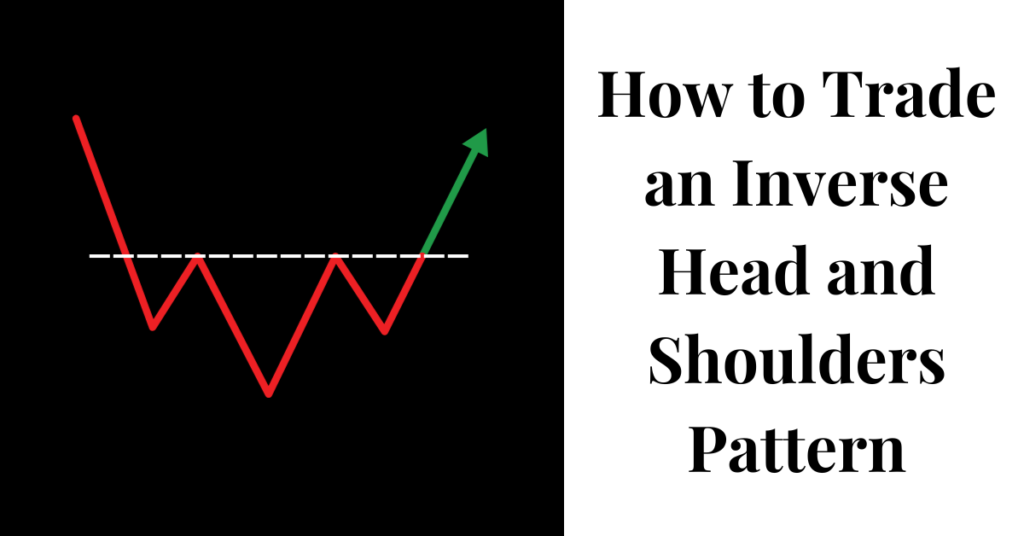
The inverse head and shoulders pattern, also known as the reverse head and shoulders, is a bullish reversal formation that typically appears at the end of a downtrend. Unlike its bearish counterpart, the head and shoulders pattern, this formation signals a potential upward price movement. The pattern consists of three consecutive troughs, with the middle trough (the head) being deeper than the two outer troughs (the shoulders), all connected by a neckline that acts as a resistance level.

This technical pattern gains significance because it demonstrates a gradual shift in market sentiment from bearish to bullish. As the pattern completes, it suggests that selling pressure is diminishing while buying pressure is increasing, potentially leading to a sustained upward movement once the neckline resistance is broken.

Components of the Inverse Head and Shoulders Pattern

Understanding the key components of this pattern helps you identify it accurately.

The left shoulder forms during a downtrend when the price declines to a new low and then rallies. This initial trough represents the first point where selling pressure temporarily subsides.

The head follows the left shoulder when the price drops to an even lower point than the left shoulder before rallying again. This deeper trough indicates the final stage of strong selling pressure.

The right shoulder develops when the price declines again but doesn’t reach the depth of the head before rising. This higher low suggests diminishing selling pressure.

The neckline acts as the resistance level, connecting the highs formed after the left shoulder and the head. The neckline may slope upward, downward, or remain horizontal, depending on market conditions.

Unlike symmetrical formations such as the triangle chart pattern, the inverse head and shoulders doesn’t require perfect symmetry between shoulders. What matters most is the relationship between the three troughs and the neckline.

How To Identify the Inverse Head and Shoulders Pattern Breakout

Identifying an inverse head and shoulders pattern breakout requires careful analysis of price action and confirmation signals. The most critical point occurs when the price breaks above the neckline after forming the right shoulder. This breakout signals the potential start of a new uptrend.

To identify a valid breakout:

  1. Confirm the pattern has fully formed with a clear left shoulder, head, right shoulder, and neckline.
  2. Watch for the price to close decisively above the neckline, preferably with increased trading volume.
  3. Look for the breakout candle to show strong bullish characteristics, such as a large body with little to no upper shadow.
  4. Monitor for a retest of the neckline from above, which often occurs after the initial breakout and provides additional confirmation when the price bounces from this new support level.

Unlike patterns such as the cup and handle pattern or bull flag pattern, which form during established uptrends, the inverse head and shoulders typically appears at the end of downtrends, making its breakout particularly significant as a trend reversal signal.

Trading the Inverse Head and Shoulders Pattern

Effectively trading this pattern requires strategic entries, precise exit points, and sound risk management.

  • Use volume in trading: Volume should ideally decrease during the formation of the pattern and increase significantly during the breakout above the neckline. This volume confirmation strengthens the reliability of the pattern.
  • Calculate risk-reward ratios: Before entering a trade, calculate the potential reward against the risk. A common approach sets the stop loss below the right shoulder, with the profit target calculated by measuring the distance from the head to the neckline and projecting that distance upward from the breakout point.
  • Wait for the neckline breakout: The safest entry point occurs after the price breaks and closes above the neckline. Some traders prefer to wait for a retest of the neckline to confirm it as new support before entering.
  • Establish profit targets: While the measured move (head to neckline distance) provides an initial target, consider adjusting this based on other technical factors such as previous resistance levels or Fibonacci extensions.

Unlike patterns such as the rising wedge pattern or triple top pattern, which focus on the continuation or reversal of existing trends, the inverse head and shoulders specifically signals the potential end of a downtrend and the beginning of an uptrend.

Common Mistakes in Trading With the Inverse Head and Shoulders Pattern

Even experienced traders make errors when trading this pattern:

  1. Identifying the pattern too early before the right shoulder has fully formed.
  2. Ignoring volume confirmation, which can lead to trading false breakouts.
  3. Setting stop losses too tight, not accounting for normal price volatility near the neckline.
  4. Failing to adjust trading strategies for different market contexts and timeframes.
  5. Overlooking other technical indicators that might contradict the pattern’s signals.

Unlike simpler patterns such as the double bottom pattern, the inverse head and shoulders requires more time to develop fully, demanding patience from traders waiting for confirmation.

FAQs About the Inverse Head and Shoulders Pattern

How Do You Confirm an Inverse Head and Shoulders Pattern?

Confirmation occurs when the price breaks above the neckline with increased volume after forming all three components. The subsequent retest of the neckline as support provides additional confirmation.

How Accurate Is the Inverse Head and Shoulders Pattern?

Research suggests this pattern has a success rate of approximately 65-75% when properly identified and traded with appropriate confirmation. However, accuracy varies based on market conditions, timeframe, and confirmation techniques.

What Is the Entry Point of the Inverted Head and Shoulders Pattern?

The ideal entry point is after the price breaks and closes above the neckline, with additional confirmation from volume increase and possibly a successful retest of the neckline as support.

Can This Pattern Be Applied to All Markets?

Yes, the inverse head and shoulders pattern appears across various markets, including stocks, forex, cryptocurrencies, and commodities, though its reliability may vary between different market types and conditions.

Making the Most of the Inverse Head and Shoulders Pattern With Above the Green Line

Trading the inverse head and shoulders pattern successfully requires not only technical knowledge but also disciplined execution and continuous learning. Professional traders understand that pattern recognition is just one aspect of a comprehensive trading strategy.

Above the Green Line provides you with powerful tools and resources to enhance pattern recognition skills and develop effective trading strategies. Our premium membership offers access to expert analysis, real-time pattern alerts, and educational resources that help you maximize your success with technical patterns like the inverse head and shoulders.

Take your technical analysis skills to the next level by joining our community of dedicated traders at Above the Green Line memberships today.


Related Articles

Ichimoku Cloud Explained

Ichimoku Cloud Explained: A Comprehensive Guide to Trend and Momentum

Introduction In the world of technical analysis, few indicators offer as much versatility and depth as the Ichimoku Cloud. Originally ...
Read More
Trading Cup and Handle Pattern

How to Trade the Cup and Handle Pattern: Spotting Bullish Continuations

Introduction to the Cup and Handle Pattern Technical analysis offers traders a variety of chart patterns that provide insights into ...
Read More
Inverse Head and Shoulders Pattern

Identifying and Trading the Inverse Head and Shoulders Pattern

The inverse head and shoulders pattern is among the most reliable trading patterns you should know for spotting potential market ...
Read More
Megaphone Pattern Trading

Megaphone Pattern Trading: How to Identify and Capitalize on Market Volatility

The megaphone pattern represents a distinctive price formation that traders monitor to identify increasing market volatility. This technical pattern, characterized ...
Read More
Falling Wedge

Falling Wedge Pattern Explained: Signals and Strategies to Trading

The falling wedge pattern is a powerful tool for traders looking to spot potential market reversals. This pattern shows up ...
Read More
  • Previous
  • 1
  • 2
  • 3
  • 4
  • 5
  • …
  • 15
  • Next
Loading...

April 2, 2025

Megaphone Pattern Trading: How to Identify and Capitalize on Market Volatility

Megaphone Pattern Trading

By ATGL

Updated April 2, 2025

The megaphone pattern represents a distinctive price formation that traders monitor to identify increasing market volatility. This technical pattern, characterized by higher highs and lower lows, creates a widening price structure that resembles a megaphone or broadening formation. By understanding how to identify and trade this pattern effectively, you can potentially capitalize on market fluctuations.

What Is a Megaphone Pattern in Trading?

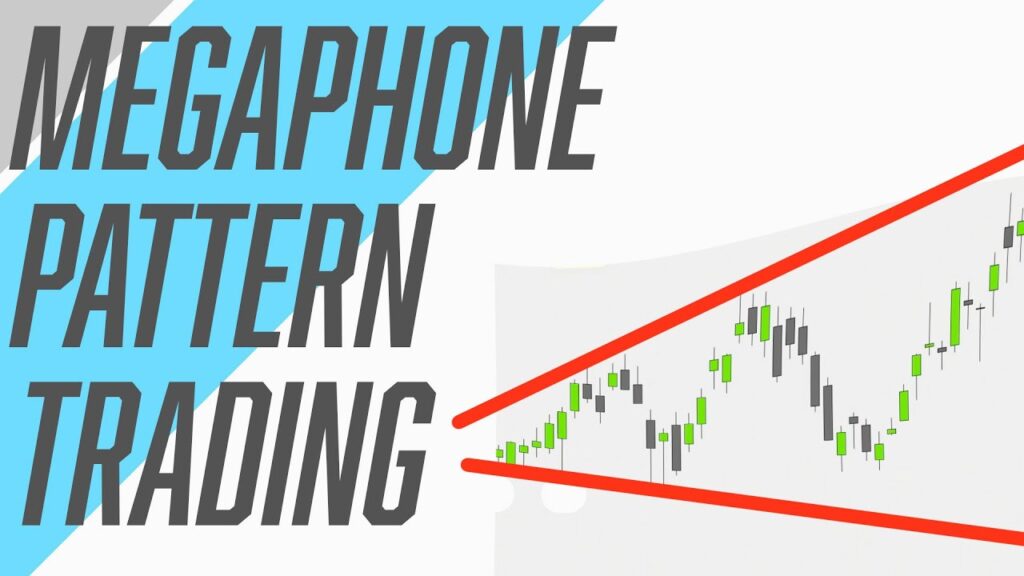
The megaphone pattern in trading manifests as a broadening formation with two diverging trendlines — the upper trendline connects rising peaks, while the lower trendline connects descending troughs. Unlike the triangle chart pattern that demonstrates convergence, the megaphone pattern shows price action expanding over time, indicating heightened market volatility and growing uncertainty among market participants.

This pattern typically forms during periods of market indecision, when neither bulls nor bears maintain clear control. The resulting price action creates oscillations of increasing amplitude, with each swing producing more extreme price points than the previous one. Technical analysts often interpret this pattern as a signal of potential upcoming significant price movements, making it valuable when you’re focused on volatility-based strategies.

Megaphone patterns can appear in various timeframes and across different financial instruments, including stocks, commodities, and currency pairs. Their formation provides critical insights into market psychology, revealing growing divergence in market participants’ price expectations.

Identifying Megaphone Patterns

Accurately Recognizing megaphone patterns requires attention to several key characteristics that distinguish them from other trading patterns you should know:

  • Unique Shape and Structure: The most distinctive feature of the megaphone pattern is its expanding price range. Look for at least two higher highs forming the upper trendline and two lower lows creating the lower trendline. Unlike the bull flag pattern or bear flag pattern that shows consolidation, the megaphone demonstrates amplification of price movements.
  • Volume Dynamics: Authentic megaphone patterns typically display increasing volume during price swings. Volume often shows particular intensity during the formation of new highs and lows, validating the pattern’s significance. This contrasts with the head and shoulders pattern, where volume typically decreases during the formation of the right shoulder.
  • Recognizing Patterns Across Asset Classes: While the basic structure remains consistent, megaphone patterns may exhibit subtle variations across different markets and timeframes. For instance, in highly volatile markets, the pattern may develop more rapidly and with steeper trendlines compared to stable markets where the expansion occurs more gradually.

When analyzing potential megaphone patterns, distinguish them from other broadening formations like the triple top pattern by confirming the clear expansion of price ranges rather than price movements within a defined range.

How to Trade Megaphone Pattern

Trading the megaphone pattern effectively requires systematic approaches tailored to its unique characteristics:

  • Breakout Trades: A common strategy involves waiting for price to break beyond the pattern’s boundaries. When price definitively moves above the upper trendline or below the lower trendline, traders may enter positions in the direction of the breakout. This approach differs from trading the cup and handle pattern, which typically offers only upward breakout opportunities.
  • Swing Trading Approaches: Alternatively, some traders capitalize on the oscillations within the pattern itself. This strategy involves entering long positions near the lower trendline and short positions near the upper trendline, aiming to profit from the price swings between these boundaries. Unlike the double bottom pattern that typically signals a reversal, the megaphone’s swings can be traded repeatedly.
  • Entry and Exit Points: Precise entry points can be determined by combining the megaphone pattern with other technical indicators. Fibonacci retracement levels or momentum oscillators can help identify optimal entry points, while trailing stops or predetermined profit targets establish effective exit strategies. This multi-indicator approach provides more reliable signals than relying solely on pattern recognition, similar to how traders might supplement the bear pennant pattern with additional confirmation signals.

The increasing volatility characteristic of megaphone patterns demands heightened attention to timing and precise execution compared to more stable patterns like the rising wedge pattern.

Risk Management in Megaphone Pattern Trading

The expanding volatility inherent in megaphone patterns necessitates robust risk management:

  • Importance of Position Sizing: As price swings grow larger within the pattern, implementing appropriate position sizing becomes crucial. Traders often reduce their standard position size when trading megaphone patterns to accommodate the heightened volatility and potential for rapid adverse price movements.
  • Managing Dynamic Market Risks: Traditional stop-loss strategies may require adjustment when trading megaphone patterns. Rather than using fixed stop-loss levels, traders might implement adaptive stops that account for increasing volatility. This often means placing stops at technical levels outside the pattern’s immediate price action or using ATR (Average True Range) based stops that adjust with changes in volatility.

Effective risk management distinguishes successful megaphone pattern traders from those who encounter significant losses during the pattern’s unpredictable movements.

FAQs about Megaphone Pattern

Is a Megaphone Bullish or Bearish?

The megaphone pattern itself is neither inherently bullish nor bearish—it primarily indicates increasing volatility and market uncertainty. The pattern’s ultimate direction depends on where and how it resolves, with breakouts occurring in either direction. Context matters significantly, as the prevailing trend before the pattern formed can influence its eventual resolution.

What Is the Price Target for the Bullish Megaphone?

The price target for a bullish resolution of a megaphone pattern typically equals the height of the pattern at its widest point, added to the breakout level. For example, if a pattern has a $10 range at its widest point and breaks out upward at $50, the theoretical target would be $60.

Is the Megaphone Pattern Continuation or Reversal?

The megaphone pattern can function as either a continuation or reversal pattern depending on the market context. It often appears as a reversal pattern at market tops, signaling potential distribution phases. However, it can also emerge within an established trend as a temporary period of volatility before the trend resumes.

What Happens After a Megaphone Pattern?

Following a megaphone pattern, markets typically experience a decisive move in one direction after breaking out of the pattern’s boundaries. This move often demonstrates reduced volatility compared to the erratic swings within the pattern itself, providing potentially clearer trading opportunities.

Making the Most out of Megaphone Pattern With Above the Green Line

Mastering megaphone pattern trading requires both technical knowledge and practical experience. These expanding formations represent significant market psychology shifts and can provide valuable trading opportunities when properly identified and traded.

Above the Green Line provides comprehensive resources and advanced technical analysis tools designed to help traders identify and capitalize on patterns like the megaphone formation. Our educational materials and market insights give traders the edge needed to navigate volatile market conditions effectively.

To enhance your pattern recognition skills and develop comprehensive trading strategies that incorporate megaphone patterns and other technical formations, look to Above the Green Line’s membership programs for professional guidance and sophisticated analytical tools. Take your trading to the next level by exploring our membership options and gaining access to expert market analysis that can help you identify these potentially profitable patterns with greater confidence and precision.

Related Articles

Ichimoku Cloud Explained

Ichimoku Cloud Explained: A Comprehensive Guide to Trend and Momentum

Introduction In the world of technical analysis, few indicators offer as much versatility and depth as the Ichimoku Cloud. Originally ...
Read More
Trading Cup and Handle Pattern

How to Trade the Cup and Handle Pattern: Spotting Bullish Continuations

Introduction to the Cup and Handle Pattern Technical analysis offers traders a variety of chart patterns that provide insights into ...
Read More
Inverse Head and Shoulders Pattern

Identifying and Trading the Inverse Head and Shoulders Pattern

The inverse head and shoulders pattern is among the most reliable trading patterns you should know for spotting potential market ...
Read More
Megaphone Pattern Trading

Megaphone Pattern Trading: How to Identify and Capitalize on Market Volatility

The megaphone pattern represents a distinctive price formation that traders monitor to identify increasing market volatility. This technical pattern, characterized ...
Read More
Falling Wedge

Falling Wedge Pattern Explained: Signals and Strategies to Trading

The falling wedge pattern is a powerful tool for traders looking to spot potential market reversals. This pattern shows up ...
Read More
  • Previous
  • 1
  • 2
  • 3
  • 4
  • 5
  • …
  • 15
  • Next
Loading...

April 2, 2025

Falling Wedge Pattern Explained: Signals and Strategies to Trading

Falling Wedge

By ATGL

Updated April 20, 2025

The falling wedge pattern is a powerful tool for traders looking to spot potential market reversals. This pattern shows up when prices form a narrowing channel that slopes downward. Learning to spot and trade this pattern can help you find good entry points and potentially profitable trades.

What Is a Falling Wedge Pattern?

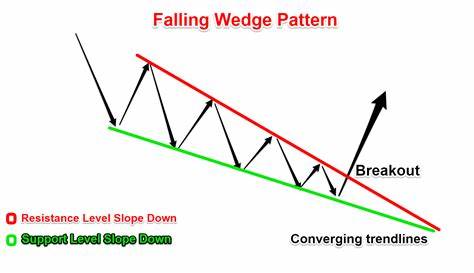
A falling wedge pattern is a technical chart formation where price moves between two downward-sloping, converging trendlines — with the upper line (connecting lower highs) descending more steeply than the lower line (connecting lower lows). Despite forming during downward price movements, this pattern typically signals a bullish reversal as the steeper upper trendline indicates weakening selling pressure. This suggests buyers may be quietly accumulating positions before a potential upward move, making the pattern valuable for spotting possible trend reversals in downtrends or continuation signals in uptrends.

Identifying the Falling Wedge Pattern

To spot a real falling wedge pattern, look for specific features. The pattern usually forms over several weeks or months, giving you time to analyze it carefully.

  • Converging Lines: Both lines must slope downward, with the upper line falling more steeply than the lower one, creating a narrowing channel.
  • Shrinking Price Range: As the pattern forms, the distance between the high and low prices gets smaller.
  • Decreasing Volume: Trading activity usually drops as the pattern develops, often reaching its lowest point just before a breakout.
  • Multiple Touch Points: A valid pattern should have at least two price touches on each trendline.

Don’t confuse the falling wedge with a triangle chart pattern. In a symmetrical triangle, both lines converge at about the same angle. A descending triangle has a flat bottom line. The falling wedge specifically has two downward-sloping lines that meet at different angles. This distinction helps you avoid mixing it up with patterns like the bear pennant pattern that have different trading implications.

What Happens After Falling Wedge Pattern?

After a falling wedge forms, you can usually expect prices to move upward. This happens because the narrowing price range builds pressure for a significant move once prices break out of the pattern.

  • Upward Breakout: Prices break above the upper trendline, showing the pattern is complete, and a reversal may be starting.
  • Increasing Volume: A real breakout comes with higher trading volume, confirming the pattern is meaningful.
  • Retesting: After breaking out, prices might come back to touch the broken trendline before continuing upward.
  • Price Target: The potential upward move often equals the height of the widest part of the pattern projected from the breakout point.

Volume behavior is important for confirming the pattern. Look for falling volume during the pattern formation and then a big increase in volume during the breakout. This volume signature helps distinguish real breakouts from false signals.

Understanding what happens after a falling wedge helps you set reasonable profit targets. Unlike the rising wedge pattern, which often leads to price drops, the falling wedge usually signals rising prices when properly confirmed.

How Do You Trade a Falling Wedge Pattern?

Trading the falling wedge pattern effectively requires a clear plan for entries, exits, and managing risk.

Breakout Strategies

The most common way to trade a falling wedge involves waiting for a confirmed breakout:

  1. Confirm Before Entering: Enter only after prices close above the upper trendline, preferably with higher volume.
  2. Entry Timing: Buy either right after the breakout candle closes or after prices successfully retest the broken trendline.
  3. Stop-Loss Placement: Place stop-loss orders below the most recent low point or below the lower trendline to protect against failed breakouts.
  4. Profit Targets: Calculate targets using the pattern’s height projected from the breakout point, taking profits at different levels along the way.

Reversal Strategies

If you want to position yourself before a complete breakout:

  1. Early Warning Signs: Watch for bullish divergence on momentum indicators that often appear before breakouts.
  2. Support Bounces: Enter carefully when prices bounce from the lower support trendline, using tighter stop-loss levels.
  3. Volume Clues: Look for decreasing volume during downward moves and increasing volume during upward moves within the pattern.
  4. Supporting Indicators: Use tools like the Relative Strength Index or Moving Average Convergence Divergence to confirm potential reversals.

Combining these approaches with other trading patterns you should know makes your strategy more effective. Consider how the falling wedge works with patterns like the bull flag pattern or double bottom pattern for extra confirmation.

Common Mistakes and Misinterpretations of a Falling Wedge Pattern

Even experienced traders make mistakes when identifying and trading the falling wedge pattern. Knowing these common errors will improve your analysis and trading results.

Misreading the Slopes

A basic mistake involves getting the trendline angles wrong:

  • Parallel Lines: Mistaking a downward channel (parallel lines) for a wedge leads to wrong expectations.
  • Direction Check: Both lines must slope downward for a valid pattern.
  • Angle Relationship: The upper line must fall more steeply than the lower line.

Confusing with Other Patterns

Pattern mix-ups often happen with similar formations:

  • Descending Triangle: Often confused with falling wedges, descending triangles have a flat lower line and usually signal continued downward movement.
  • Rising Wedge Mix-up: Confusing a rising wedge pattern with a falling wedge results in opposite trade expectations.
  • Head and Shoulders Confusion: The right shoulder of a head and shoulders pattern might look like a wedge, causing analysis mistakes.

Entering trades too early is another common error. Traders who buy before the pattern completes and confirms with a breakout face higher risks of false signals. Also, ignoring volume behavior during the pattern formation and breakout reduces your ability to judge if the pattern is reliable.

FAQs About Falling Wedge Pattern

Is a Falling Wedge Pattern Bullish?

Yes, the falling wedge pattern signals bullish potential. Despite forming during downtrends, its converging trendlines with the upper line descending more steeply indicate weakening selling pressure. This structure typically precedes a bullish reversal when confirmed by a breakout above the upper trendline with increased volume.

What Is the Falling Wedge Rule?

The falling wedge rule requires both trendlines to slope downward, with the upper resistance line declining more steeply than the lower support line. The pattern must have at least two touch points on each trendline, with volume decreasing during formation and expanding significantly during breakout.

How Reliable Is a Falling Wedge?

When properly identified and confirmed, the falling wedge demonstrates approximately 68% reliability for anticipated bullish movements. This reliability improves significantly with volume confirmation, aligned momentum indicators, and validated breakouts through decisive price action.

What Is the Success Rate of the Falling Wedge Pattern?

The falling wedge pattern achieves a 65% to 70% success rate when traded with appropriate confirmation. Performance varies with market conditions, timeframes, and confirmation criteria. The pattern performs best in markets with well-defined trends and sufficient volume to sustain breakout momentum.

Trade Effectively the Falling Wedge Pattern With Above the Green Line

Mastering the falling wedge pattern provides a powerful tool for identifying potential reversals when analyzed alongside complementary formations like the triple top pattern or cup and handle pattern. Success requires disciplined adherence to identification criteria and distinguishing this pattern from similar formations like the bear flag pattern.

Above the Green Line offers comprehensive resources when you’re seeking to execute falling wedge strategies with confidence. Explore our membership options to access professional-grade tools, expert insights, and specialized training on high-probability trading formations.


Related Articles

Ichimoku Cloud Explained

Ichimoku Cloud Explained: A Comprehensive Guide to Trend and Momentum

Introduction In the world of technical analysis, few indicators offer as much versatility and depth as the Ichimoku Cloud. Originally ...
Read More
Trading Cup and Handle Pattern

How to Trade the Cup and Handle Pattern: Spotting Bullish Continuations

Introduction to the Cup and Handle Pattern Technical analysis offers traders a variety of chart patterns that provide insights into ...
Read More
Inverse Head and Shoulders Pattern

Identifying and Trading the Inverse Head and Shoulders Pattern

The inverse head and shoulders pattern is among the most reliable trading patterns you should know for spotting potential market ...
Read More
Megaphone Pattern Trading

Megaphone Pattern Trading: How to Identify and Capitalize on Market Volatility

The megaphone pattern represents a distinctive price formation that traders monitor to identify increasing market volatility. This technical pattern, characterized ...
Read More
Falling Wedge

Falling Wedge Pattern Explained: Signals and Strategies to Trading

The falling wedge pattern is a powerful tool for traders looking to spot potential market reversals. This pattern shows up ...
Read More
  • Previous
  • 1
  • 2
  • 3
  • 4
  • 5
  • …
  • 15
  • Next
Loading...
  • « Previous Page
  • 1
  • 2
  • 3
  • 4
  • 5
  • …
  • 15
  • Next Page »

Subscribe to Our Newsletter

AGL Logo

Get our eBook Now!

Candlestick - A Swing Traders Friend

We don’t spam! Read our privacy policy for more info.

Check your inbox or spam folder to confirm your subscription.

Voted #1 at Stock Charts

SH Chart
Inverse S&P 500 Fund (SH) will have a Money Wave Buy today.

Help Us Help Animals

Help Us Help Animals

Recent Comments

  • AbovetheGreenLine on Green Line Weekly Aug 27, 2023
  • lbrodt on Green Line Weekly Aug 27, 2023
  • Mitch Van Zelfden on Money Wave Alert! Jul 31, 2023
  • AbovetheGreenLine on Money Wave Alert! Jul 31, 2023
  • Mitch Van Zelfden on Money Wave Alert! Jul 31, 2023

Become a Green Liner!

Help me make more Money in the Stock Market.

Investing with Rules.

On ATGL

  • DashBoard
  • Weekly Commentary
  • Daily Buy / Sell Signals
  • Day Trade Setup
  • Trading Rooms

Strategies

  • Swing Trading
  • ATGL Pick of the Week
  • Dividend Growth
  • ETF Sector Rotation
  • Dogs of the Dow

Help

  • ATGL Trading Rules
  • FAQ
  • Account Maintenance
  • Contact US
  • Join

Stay Updated

No credit card required. Unsubscribe anytime

Check your inbox or spam folder to confirm your subscription.

© 2024 Above The Green Line. All rights reserved.

  • Twitter
  • LinkedIn
  • YouTube