• Market Insights
        • Commentary
          • Daily
          • Weekly
        • BUY / SELL SIGNALS
          • Trade Posts
          • Recent Trade Alerts
          • Recent Day Trades
        • BLOGROLL
          • Dividend Growth Blog
          • ETF Sector Blog
          • Dow Dogs
          • TPOW Blog
  • Strategies
        • SWING TRADING
          • Current Positions
          • Watchlists
          • Closed Positions
          • Candidates - TOP 100
          • Specialty Stocks
        • WEEKLY STOCK PICK
          • TPOW Charts
          • TPOW Performance
          • TPOW Strategy Guide
          • TPOW Performance Dashboard
        • DAY TRADING
          • Watch List
        • ATGL DASHBOARD
        • ETF STRATEGIES
          • ETF Sector Rotation
          • ETF Sector Portfolio
        • DIVIDEND GROWTH
          • Dividend Growth Portfolio
          • Dividend Calendar
        • DOGS OF THE DOW
          • Dogs of the Dow Portfolio
          • DOW 5 Portfolio
  • Markets
        • US MARKET
          • Commodities
          • Energy
          • Precious Metals
          • Volatility
        • GLOBAL MARKETS
          • Market Indices
          • Economic Calendar
          • FOREX Heat Map
          • FOREX Cross Rates
          • Crypto Currency Market
  • Investing
    • Discord Community
    • Dashboard
  • Resources
        • ARTICLES
          • Dividend Growth Model Articles
          • ETF Articles
          • Investment Strategies Articles
          • Market and Economic Insights
          • Stock Trade Articles
          • Stock Reviews
        • TOOLS
          • Stock Scanners
          • Charting Software
          • Brokerage Firms
        • STOCK CHARTS
          • Key Components
          • Reading Charts
          • Drawing Stock Charts
          • Identifying Trends
        • RETIREMENT PLANNING
  • About
    • Contact Us
    • How to Win
    • #1 At Stockcharts
    • Disclaimer
    • FAQ
  • Log In
  • Subscribe
Menu
  • Market Insights
    • Commentary
      • Daily
      • Weekly
    • BUY / SELL SIGNALS
      • Trade Posts
      • Recent Trade Alerts
      • Recent Day Trades
    • BLOGROLL
      • Dividend Growth Blog
      • ETF Sector Blog
      • Dow Dogs
      • TPOW Blog
  • Strategies
    • SWING TRADING
      • Current Positions
      • Watchlists
      • Closed Positions
      • Candidates – TOP 100
      • Specialty Stocks
    • DAY TRADING
      • Watch List
    • WEEKLY STOCK PICK
      • TPOW Charts
      • TPOW Performance
      • TPOW Strategy Guide
      • TPOW Performance Dashboard
    • DIVIDEND GROWTH
      • Dividend Growth Portfolio
      • Dividend Calendar
    • DOGS OF THE DOW
      • Dogs of the Dow Portfolio
      • DOW 5 Portfolio
    • ETF STRATEGIES
      • ETF Sector Rotation
      • ETF Sector Portfolio
    • ATGL DASHBOARD
  • Markets
    • US MARKET
      • Commodities
      • Energy
      • Precious Metals
      • Volatility
    • GLOBAL MARKETS
      • Market Indices
      • Economic Calendar
      • FOREX Heat Map
      • FOREX Cross Rates
      • Crypto Currency Market
  • Investing
    • Discord Community
    • Dashboard
  • Resources
    • ARTICLES
      • Dividend Growth Model Articles
      • ETF Articles
      • Investment Strategies Articles
      • Market and Economic Insights
      • Stock Trade Articles
      • Stock Reviews
    • TOOLS
      • Stock Scanners
      • Charting Software
      • Brokerage Firms
    • STOCK CHARTS
      • Key Components
      • Reading Charts
      • Drawing Stock Charts
      • Identifying Trends
    • RETIREMENT PLANNING
  • About
    • Contact Us
    • How to Win
    • #1 At Stockcharts
    • Disclaimer
    • FAQ
  • Log Out
    • Members-Page
    • Referral
  • Log In
  • Subscribe
Log In
Log Out
Subscribe

May 31, 2024

Good Faith Violations: What Are Unsettled Funds?

By ATGL

Updated May 31, 2024

Understanding good faith violations and the concept of unsettled funds is crucial, as these can impact an investor’s ability to trade and result in significant penalties. Unsettled funds refer to the money from a sale transaction that has not yet completed the settlement process. Good faith violations occur when a trader purchases securities using unsettled funds from a previous sale.

These violations can lead to significant consequences, including account restrictions and other penalties. Being aware of how unsettled funds and good faith violations interact is essential for maintaining compliance with trading rules and facilitating efficient trading activities.

How Good Faith Violations Occur

Good faith violations arise when traders buy a security with the expectation that the proceeds from a recent sale will settle before the payment for the new purchase is due. In stock trading, the settlement period is typically two business days (T+2) after the trade date. However, if the sale proceeds do not settle in time, then the trader has effectively used unsettled funds, resulting in a violation.

For instance, suppose an investor sells shares of Company A on Monday. The settlement period for this sale is T+2, meaning the funds will not be available until Wednesday. If the investor then uses the anticipated proceeds from this sale to buy shares of Company B on Tuesday, they are relying on unsettled funds. Should the investor sell the shares of Company B before the original sale settles on Wednesday, a good faith violation has occurred because they did not actually have the settled funds to pay for the new purchase at the time of the transaction.

Traders should adhere to settlement rules and confirm that their account has enough settled funds to cover any new purchases. Brokerage firms and regulatory bodies take good faith violations very seriously, as they reflect an inconsistency in maintaining sufficient funds in an account for trading activities.

What Are Unsettled and Settled Funds?

In the context of trading, unsettled funds refer to the money from a sale transaction that is still within the settlement period. During this period, typically two business days (T+2) after the trade date, the funds are not yet available for use. These funds are in transit and cannot be used for new purchases or withdrawals until the settlement process is complete.

Settled funds are precisely the opposite — money that has completed the settlement process and is fully available in the account. These funds can be used for trading or withdrawn without any restrictions.

Implications of Good Faith Violations

Good faith violations carry several implications that can affect a trading account and overall trading strategy.

Account Restrictions

Brokerage firms may restrict an account, limiting trading privileges to prevent further violations. Three good faith violations per 12-month period typically result in 90-day restrictions. Common restrictions include prohibiting the use of unsettled funds for new trades and requiring maintenance of a settled cash balance to make future purchases.

Potential Penalties

Brokerage firms may impose fees or fines for each violation. These penalties prevent traders from using unsettled funds and encourage adherence to settlement rules. Repeated violations may result in more severe penalties, including the temporary or permanent suspension of the trading account.

Impact on Trading Activities

Traders might find themselves unable to capitalize on timely trades due to the unavailability of settled funds or the imposition of restrictions. This limitation can lead to missed opportunities and potentially lower returns on investments. Additionally, a history of violations can damage a trader’s reputation with the brokerage firm, leading to reduced trust and less favorable terms for future trading activities.

How To Avoid Potential Violations

While attempting to follow all applicable rules and regulations, investors can sometimes inadvertently stray into noncompliant territory. By maintaining vigilance and adopting preventative measures, individuals can equip themselves to circumvent potential violations before they occur.

Understand Settlement Rules

Traders should thoroughly understand the settlement rules that govern trading activities, such as the settlement period required for a trade to be finalized and for funds or securities to be transferred to the appropriate account. Traders should familiarize themselves with the specific rules and regulations of the brokerage firm, as it may have additional guidelines regarding the use of unsettled funds.

Maintain Sufficient Funds

By maintaining an adequate cash balance in the account, traders can cover new purchases without relying on the proceeds from recent sales. This practice helps them stay compliant with settlement rules and also provides flexibility to take advantage of trading opportunities. Traders should regularly review their account balance and adjust their trading strategy to avoid situations that might inadvertently result in using unsettled funds.

Monitor Trade Settlements

Closely monitoring the settlement status of trades is key to avoiding good faith violations. Traders should keep track of the settlement dates for all their transactions and make a note of when funds will be available for use. Many brokerage platforms provide tools and notifications to help monitor trade settlements. Traders can use these features to stay informed about the status of their funds. By tracking transactions and understanding when the proceeds from sales become settled, traders can plan trades more effectively and avoid violations.

Learn To Keep Your Trading Compliant and Profitable

Maintaining compliance in trading is crucial for an investor’s long-term profitability and avoiding regulatory issues. Adhering to settlement rules, keeping an adequate cash balance, and monitoring trade settlements allow individuals to trade with confidence and efficiency.

Traders should regularly review updates from regulatory bodies and their brokerage firms to stay current and avoid inadvertent violations. Maintaining a sufficient cash balance in their account allows them to execute trades without relying on unsettled funds, minimizing the risk of good faith violations. This practice also lets the individual seize market opportunities without delay.

Monitoring trade settlements is key for the trader to plan effectively. They should use the tools and notifications from their brokerage platform to track when funds from sales will be available. This awareness helps them time trades accurately and avoid potential violations.

Continuous education is vital for compliance and profitability. Explore resources such as ETF strategies, hedge funds, and mutual funds to broaden your understanding of different investment products and strategies. For advanced strategies and personalized guidance, consider a membership with Above The Green Line for exclusive resources and expert insights.

Related Articles

6 Day Trading Patterns You Should Know
6 Day Trading Patterns You Should Know

Day trading involves buying and selling securities within a single trading day and can be a highly profitable trade strategy ...
Read More
Are Commodity ETFs a Good Investment?

Are Commodity ETFs a Good Investment?

Commodity exchange-traded funds (ETFs) are popular for diversifying portfolios beyond traditional stocks and bonds. These ETFs offer unique investment opportunities ...
Read More
6 Commodity Trading Risk Management Strategies

6 Commodity Trading Risk Management Strategies

In the volatile world of commodity trading, effective risk management is crucial for protecting investments and maximizing returns. Commodity trading ...
Read More
How To Build an ICT Trading Strategy

How To Build an ICT Trading Strategy

In the fast-paced world of Forex trading, strategy is king. The ICT (Inner Circle Trader) methodology stands tall, whispered reverently ...
Read More
Is Algorithmic Trading Profitable?

Is Algorithmic Trading Profitable?

Imagine computers conducting trades at a speed and frequency that is impossible for human traders. Algorithmic trading harnesses the power ...
Read More
  • Previous
  • 1
  • …
  • 5
  • 6
  • 7
  • 8
  • 9
  • …
  • 13
  • Next
Loading...

April 22, 2024

6 Day Trading Patterns You Should Know

By ATGL

Updated April 22, 2024

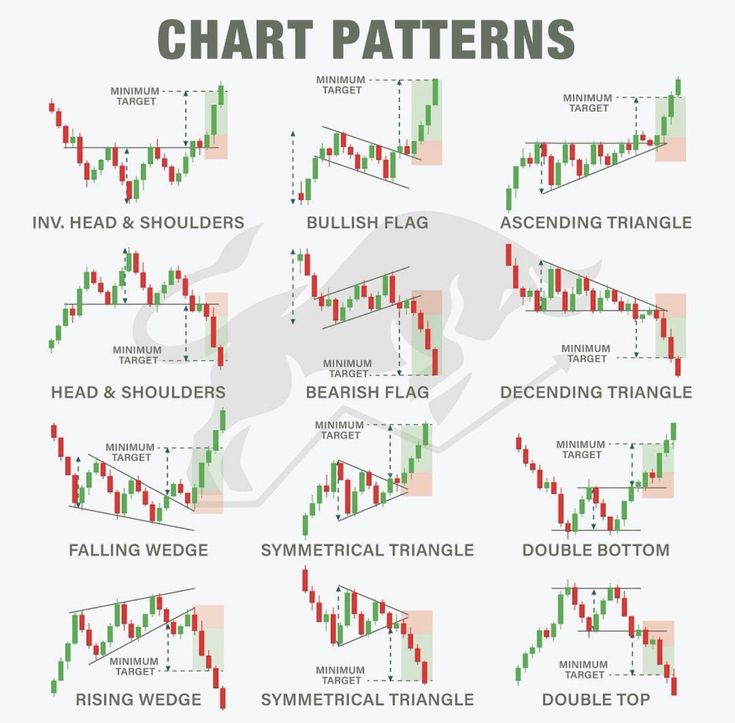
Day trading involves buying and selling securities within a single trading day and can be a highly profitable trade strategy if executed with precision and foresight. Recognizing reliable day trading patterns is critical, as they are backed by historical data and technical analysis and offer a framework for identifying potential entry and exit points.

By understanding these configurations, day traders can optimize their trade timings and increase their chances of executing successful trades. This article discusses six patterns that everyday trader should be familiar with to enhance their trading efficacy.

Do Day Trading Patterns Really Work?

Day trading patterns are foundational tools traders use to navigate the fast-paced and often volatile day trading environment. These patterns are theoretical constructs grounded in the psychological and behavioral tendencies of market participants. Recognizing patterns like the Bull Flag and Double Bottom represent recurring trends and shifts in market sentiment that can provide a competitive edge to a trader.

However, pattern effectiveness can vary based on market conditions, trading volume, and external influences such as economic announcements or shifts in monetary policy. While these patterns are instrumental, traders should apply them within a comprehensive trading strategy that includes risk management and continuous market analysis. By integrating these patterns with other analytical tools, traders can enhance their decision-making process and improve the probability of achieving favorable outcomes.

Top 6 Day Trading Patterns You Should Know

Understanding key day trading patterns can significantly impact trading decisions and outcomes. Here are six patterns that are particularly critical for their predictive value and recurrence in the markets.

1. Bull Flag Pattern: Look for a Flag-Shaped Consolidation

Characterized by a strong initial upward trend followed by a downward-sloping consolidation, the Bullish Flag pattern is a continuation pattern signaling potential upward movements. The consolidation phase often features reduced volumes, suggesting a temporary halt in buying activity.

Traders should watch for a breakout above the consolidation’s upper boundary. Such a breakout typically indicates a continuation of the prior uptrend and provides an optimal entry point for long positions.

2. Double Bottom Pattern: Identify Two Troughs

The Double Bottom pattern is a bullish reversal indicator that appears after a significant downtrend, showing two distinct troughs at approximately the same price level. This pattern signifies a strong support level where the closing price fails to drop further, signaling a potential reversal of the prevailing downtrend.

Volume plays a crucial role here, as an increase in volume on the second trough suggests more substantial buying interest and a likely shift in momentum. Traders who identify this pattern can set strategic entry points above the neckline — the peak between the two troughs — with targets set based on the height of the formation.

3. Ascending Triangle Pattern: Look for Higher Lows and a Flat

Typically emerging during an uptrend, the Ascending Triangle pattern forms through higher lows and a flat resistance line, signaling a bullish pattern continuation. This right-angle triangle suggests that buyers gradually overcome sellers by consistently pushing the price up against a steady resistance level.

Confirmation of this pattern comes with a breakout above the resistance, usually accompanied by a spike in trading volume, signaling the continuation of the initial uptrend. Following such a breakout, positioning for upward movement can be highly advantageous.

4. Head and Shoulders Pattern: Identify Three Peaks

The Head and Shoulders pattern, with its three peaks including the highest central “head,” denotes a potential reversal from an existing uptrend to a downtrend. Forming when prices first rise to a peak and decline, followed by a higher peak, another decline, and finally a lower peak, this pattern outlines the completion when prices drop below the support level known as the neckline.

Monitoring for a price breakout below this level is critical as it often marks a sell signal, suggesting a potential for significant downward price movement.

5. Rising Wedge Pattern: Observe Wedge Higher Highs and Lows

The Rising Wedge pattern is typically a bearish reversal pattern that occurs in both uptrends and downtrends. It is characterized by higher highs and higher lows that converge toward a single point, creating a narrowing shape. This pattern suggests that despite the rising price, the upward momentum is weakening as the advances become increasingly smaller, which can demonstrate diminishing buyer enthusiasm and potential exhaustion.

The pattern is confirmed when the price breaks below the lower support trend line. This breakout is often accompanied by increased volume, signaling a reliable entry point for traders expecting the price to decline further.

6. Bearish Engulfing Pattern: Look for a Large Bearish Candle

The Bearish Engulfing pattern is a significant technical indicator of a possible reversal from an uptrend to a downtrend. It occurs when a large bearish candlestick fully engulfs the body of the previous day’s smaller bullish candlestick. This pattern typically forms at the peak of an uptrend, suggesting that sellers have overtaken buyers and a shift in momentum is imminent. The larger the bearish candle, the more significant the potential reversal.

Traders should look for increased volume during the formation of the bearish engulfing candle as it enhances the reliability of the pattern as a strong selling signal, potentially leading to a substantial drop in prices.

Become a Successful Day Trader With Above the Green Line

Day trading can be an exhilarating yet complex endeavor that requires an understanding of important trading patterns and a system for timely and accurate decision-making. Whether you are new to day trading or looking to sharpen your trading skills, Above the Green Line provides you with the powerful tools and strategies to confidently identify and execute potential trades.

Our platform emphasizes using proprietary metrics and real-time data to empower traders, enhancing your ability to act swiftly on market opportunities. Leverage the insights and analytical tools Above the Green Line offers to refine your trading techniques and increase your financial market acumen.
Ready to elevate your trading game? Visit our comprehensive guide on day trading to learn about current trends and start trading smarter today.

Related Articles

6 Day Trading Patterns You Should Know

6 Day Trading Patterns You Should Know

Day trading involves buying and selling securities within a single trading day and can be a highly profitable trade strategy ...
Read More
Are Commodity ETFs a Good Investment?

Are Commodity ETFs a Good Investment?

Commodity exchange-traded funds (ETFs) are popular for diversifying portfolios beyond traditional stocks and bonds. These ETFs offer unique investment opportunities ...
Read More
6 Commodity Trading Risk Management Strategies

6 Commodity Trading Risk Management Strategies

In the volatile world of commodity trading, effective risk management is crucial for protecting investments and maximizing returns. Commodity trading ...
Read More
How To Build an ICT Trading Strategy

How To Build an ICT Trading Strategy

In the fast-paced world of Forex trading, strategy is king. The ICT (Inner Circle Trader) methodology stands tall, whispered reverently ...
Read More
Is Algorithmic Trading Profitable?

Is Algorithmic Trading Profitable?

Imagine computers conducting trades at a speed and frequency that is impossible for human traders. Algorithmic trading harnesses the power ...
Read More
  • Previous
  • 1
  • …
  • 5
  • 6
  • 7
  • 8
  • 9
  • …
  • 13
  • Next
Loading...

April 21, 2024

Are Commodity ETFs a Good Investment?

By ATGL

Updated April 21, 2024

Commodity exchange-traded funds (ETFs) are popular for diversifying portfolios beyond traditional stocks and bonds. These ETFs offer unique investment opportunities for physical goods such as gold, oil, and agricultural products without directly purchasing and storing the commodities.

Investing in commodity ETFs serves as a hedge against inflation and currency devaluation, as commodities often move inversely to stocks and bonds. However, like all investment vehicles, they come with risks and benefits. These make it crucial for investors to consider whether EFTs align with their investment goals and risk tolerance.

What Are the Advantages of Commodity ETFs?

Commodity ETFs present several advantages that can make them an appealing diversified investment strategy. Key benefits include:

  • Diversification: Commodity ETFs provide access to a broad range of assets that do not correlate directly with the stock market.
  • Convenience: These funds eliminate the complexities associated with direct commodity investments, such as storage concerns and dealing with futures contracts. Investors can buy and sell shares of commodity ETFs just like stocks through a brokerage account.
  • Transparency: Commodity ETFs offer high transparency, with holdings disclosed daily. Investors see exactly what assets are available for investment.
  • Liquidity: Due to their exchange-traded nature, most commodity ETFs are highly liquid, enabling investors to easily enter and exit positions.

Investors should weigh these advantages against the inherent risks of commodities trading, which include volatility and potential regulatory changes. Nonetheless, those seeking to hedge inflation or diversify their assets can consider commodity ETFs as a valuable addition to their investment portfolio.

Types of Commodity Exchange-Traded Funds

Commodity ETFs vary in structure and underlying investment strategies, catering to different investor needs and objectives. Understanding the various types of commodity ETFs is crucial for selecting the right fund that aligns with one’s investment goals.

Physical ETFs

Physical ETFs hold actual commodities in storage, such as gold, silver, or oil, providing direct exposure to the physical market’s price movements. These ETFs are appealing commodities investments without the complexities of futures contracts. The direct ownership aspect often reflects the market conditions affecting that commodity.

Physical ETFs are considered a safer bet during market volatility as they are backed by tangible assets. However, these funds can incur higher fees due to the costs associated with storage and insurance of the physical goods. Investors should also know the tax implications, which can differ from those of more traditional equity investments.

Futures-Based ETFs

Futures-based ETFs invest in futures contracts for various commodities like wheat, crude oil, or precious metals. The aim is to track the performance of a commodity index using futures contracts and be more accessible than direct commodity investments. While futures-based ETFs have profit potential during favorable market trends, they can also be more volatile and less predictable than physical ETFs.

Futures-contracts management requires a strategic approach to rolling contracts forward, which can lead to tracking errors relative to the commodity’s spot price. Futures-based ETFs are suitable for knowledgeable investors who understand the intricacies of futures markets and the potential contango or backwardation impacts on their investments.

Equity-Based ETFs

Equity-based ETFs invest in stocks of companies involved in the commodities sector, such as mining, energy, and agriculture corporations. This type of ETF provides indirect access to commodity prices through equities, often reflecting the performance of businesses that produce, extract, or process raw materials.

Equity-based ETFs can offer dividends, which add an income component to the investment. However, the fund’s performance is influenced by commodity prices, corporate performance, and management effectiveness of the involved companies. This can lead to higher returns during commodity booms and greater risks during downturns. Investors considering equity-based ETFs should assess their comfort with the corporate risks associated with the specific sectors within the commodities market.

Exchange-Traded Notes or ETNs

Exchange-traded notes (ETNs) are unsecured debt securities issued by financial institutions, designed to mimic the commodity index price movement without actually holding the physical commodity or derivative contracts. Unlike ETFs, ETNs are backed only by the issuer’s credit, thus carrying a risk of loss if the issuer faces financial difficulties. However, they offer precise tracking of the underlying index and do not incur tracking errors associated with futures contracts.

ETNs can be an effective tool for achieving exposure to commodities for investors willing to accept issuer credit risk in exchange for potential tax benefits, as ETNs are taxed only upon sale. They are particularly popular for targeted opportunities to specific commodities or commodity indices with the efficiency and flexibility of exchange trading.

Top-Performing Commodity ETFs You Should Consider

Selecting the right commodity ETF can be pivotal in achieving investment goals. Several ETFs have demonstrated robust performance by effectively managing commodity market nuances. For instance, ETFs focusing on precious metals like gold and silver often perform well during economic uncertainty as investors seek safe-haven assets. Energy sector ETFs, which include oil and natural gas, can offer substantial returns during rising energy prices. Additionally, agricultural commodity ETFs can capitalize on shifting supply and demand dynamics due to seasonal changes and geopolitical events.

Investors should consider their market outlook and risk tolerance when choosing among these top-performing ETFs. They may find it beneficial to consult performance histories and fund management strategies.

Make the Best Investment Decisions With Above the Green Line

At Above the Green Line, we are dedicated to helping you optimize your investment strategy with expert analysis and precise market insights. Utilizing our proprietary screening and analysis techniques, we identify high-potential investment opportunities in commodity ETFs and other sectors. By aligning your investment decisions with systematic, data-driven insights, you can enhance portfolio performance while managing risk effectively.

To make more informed and strategic investment choices in the commodities market, visit our detailed commodities resource. Equip yourself with the knowledge and tools needed to excel in today’s dynamic market environment.

Related Articles

6 Day Trading Patterns You Should Know

6 Day Trading Patterns You Should Know

Day trading involves buying and selling securities within a single trading day and can be a highly profitable trade strategy ...
Read More
Are Commodity ETFs a Good Investment?

Are Commodity ETFs a Good Investment?

Commodity exchange-traded funds (ETFs) are popular for diversifying portfolios beyond traditional stocks and bonds. These ETFs offer unique investment opportunities ...
Read More
6 Commodity Trading Risk Management Strategies

6 Commodity Trading Risk Management Strategies

In the volatile world of commodity trading, effective risk management is crucial for protecting investments and maximizing returns. Commodity trading ...
Read More
How To Build an ICT Trading Strategy

How To Build an ICT Trading Strategy

In the fast-paced world of Forex trading, strategy is king. The ICT (Inner Circle Trader) methodology stands tall, whispered reverently ...
Read More
Is Algorithmic Trading Profitable?

Is Algorithmic Trading Profitable?

Imagine computers conducting trades at a speed and frequency that is impossible for human traders. Algorithmic trading harnesses the power ...
Read More
  • Previous
  • 1
  • …
  • 5
  • 6
  • 7
  • 8
  • 9
  • …
  • 13
  • Next
Loading...

April 21, 2024

6 Commodity Trading Risk Management Strategies

By ATGL

Updated April 21, 2024

In the volatile world of commodity trading, effective risk management is crucial for protecting investments and maximizing returns. Commodity trading risk management involves a set of strategic measures designed to mitigate the impacts of market uncertainty, price volatility, and other financial risks associated with trading raw and primary products.

By adopting sound risk management strategies, traders can ensure greater portfolio stability and enhance their decision-making processes. This guide outlines six key strategies to manage potential risks in commodity trading, providing a foundational approach for new and experienced traders.

What Are the Risk Factors of Commodities?

Trading commodities exposes investors to risk factors significantly influencing market prices and investment outcomes. One of the primary risk factors is market volatility. Commodities can experience wide price fluctuations due to changes in weather, geopolitical tensions, or shifts in supply and demand dynamics. For example, agricultural products depend heavily on weather conditions, and any unforeseen changes can alter crop yields, impacting prices globally.

Another significant risk in commodity trading is geopolitical risk. Many commodities, such as oil, gas, and minerals, are extracted from unstable or politically volatile regions. Changes in government policies, trade embargoes, or conflicts can disrupt supply chains and affect prices. Additionally, commodities are also subject to regulatory risks, where regulation changes can alter market dynamics, affecting both the cost and resource availability.

Top 6 Strategies To Manage Potential Risks in Commodity Trading

Effective management of risks in commodity trading is essential for safeguarding investments and securing financial stability. Here are six pivotal strategies traders can employ to navigate the complexities of commodity trading.

1. Derivatives Contracts and Hedging Strategies: Mitigate Price Risk

Derivatives contracts, such as futures, options, and swaps, are fundamental tools for managing price risks in commodity trading. By entering into a futures contract, a trader can lock in a price for a commodity at a future date, thus hedging against potential price volatility that could adversely affect profit margins.

Options provide the right, but not the obligation, to buy or sell a commodity at a predetermined price, offering another layer of protection against unfavorable price movements. Swaps allow traders to manage fluctuating commodity prices by exchanging cash flows with another party, which can be particularly useful in markets subject to significant price swings. These strategies help to stabilize financial outcomes despite the inherent unpredictability of commodity prices.

2. Diversification: Spread Risk Across Various Commodities

Diversification is a critical risk management technique that spreads investments across various commodities to reduce exposure to any single market’s volatility. By allocating capital to different commodity groups — such as energy, agricultural products, and precious metals — traders can mitigate the impact of a downturn in one sector on their overall portfolio.

This strategy limits potential losses and positions the portfolio to capitalize on opportunities across a broader spectrum of the market. Moreover, diversification is enhanced by incorporating non-commodity assets, such as equities or bonds, creating a more resilient investment profile against market uncertainties.

3. Supply Chain Risk Assessment: Identify Supply-Related Risks

Supply chain risk assessment is vital in recognizing and alleviating risks that could disrupt the availability and cost-efficiency of commodities. This strategy involves analyzing the entire supply chain — from raw material extraction to the final delivery — to pinpoint vulnerabilities, such as dependency on limited suppliers or logistics challenges.

For instance, a trader might assess the impact of potential strikes, natural disasters, or political instability in key supplier countries. Understanding these risks allows traders to develop contingency plans, such as securing alternative supply routes or holding safety stock. Effective supply chain management maintains steady commodity availability, reducing the likelihood of sudden price spikes due to supply shortages.

4. Market Trend Analysis: Anticipate Price Movements

Market trend analysis is necessary for anticipating commodity price movements and making informed trading decisions. This involves examining historical price data and market behavior to identify patterns or trends that may indicate future price directions. Traders use analytical tools, including moving averages and stochastic indicators, to detect market momentum and potential reversals.

Additionally, understanding macroeconomic indicators, such as inflation rates, employment data, and GDP growth, can provide insights into broader market conditions that affect commodity prices.

5. Scenario Analysis: Stress Test Your Commodity Portfolio

Scenario analysis is a powerful technique for stress-testing a commodity portfolio against various hypothetical events to gauge potential impacts on investment performance. This approach involves creating diverse scenarios based on possible future events, such as significant economic downturns or extreme weather conditions, to understand how these could affect commodity prices and market dynamics.

By simulating different market conditions, traders can assess their portfolio strength, identify vulnerabilities, adjust strategies, enhance risk controls, and better prepare for adverse market scenarios. This proactive risk assessment contributes to a more resilient investment strategy capable of withstanding unexpected market shifts.

6. Financial Market Instruments: Protect Against Price Fluctuations

Utilizing financial market instruments, such as exchange-traded funds (ETFs), mutual funds, and commodity-linked bonds, can provide traders with additional protection against price fluctuations in the commodity markets. For example, ETFs offer a diverse array of commodities through a single transaction, which can dilute the price volatility risk in any single commodity.

Mutual funds that invest in commodity-related stocks, such as mining companies or agricultural businesses, allow traders to gain indirect exposure to commodity prices with potentially lower volatility. Commodity-linked bonds, with returns tied to the performance of a commodity index, offer another avenue to hedge against commodity price risk while potentially earning higher yields.

Make Informed Trading Decisions With Above the Green Line

Successful commodity trading requires access to expert analysis, robust tools, and comprehensive market insights. At Above the Green Line, we will equip you with the necessary resources to make informed decisions that align with your financial goals and risk management strategies.

Our proprietary methodologies and analytical tools are designed to guide you through the intricacies of commodity markets, helping you to optimize your trading strategies effectively. Visit our detailed resource page to deepen your understanding of commodity trading and enhance your trading acumen.

Related Articles

6 Day Trading Patterns You Should Know

6 Day Trading Patterns You Should Know

Day trading involves buying and selling securities within a single trading day and can be a highly profitable trade strategy ...
Read More
Are Commodity ETFs a Good Investment?

Are Commodity ETFs a Good Investment?

Commodity exchange-traded funds (ETFs) are popular for diversifying portfolios beyond traditional stocks and bonds. These ETFs offer unique investment opportunities ...
Read More
6 Commodity Trading Risk Management Strategies

6 Commodity Trading Risk Management Strategies

In the volatile world of commodity trading, effective risk management is crucial for protecting investments and maximizing returns. Commodity trading ...
Read More
How To Build an ICT Trading Strategy

How To Build an ICT Trading Strategy

In the fast-paced world of Forex trading, strategy is king. The ICT (Inner Circle Trader) methodology stands tall, whispered reverently ...
Read More
Is Algorithmic Trading Profitable?

Is Algorithmic Trading Profitable?

Imagine computers conducting trades at a speed and frequency that is impossible for human traders. Algorithmic trading harnesses the power ...
Read More
  • Previous
  • 1
  • …
  • 5
  • 6
  • 7
  • 8
  • 9
  • …
  • 13
  • Next
Loading...

April 16, 2024

How To Build an ICT Trading Strategy

By ATGL

Updated April 24, 2024

In the fast-paced world of Forex trading, strategy is king. The ICT (Inner Circle Trader) methodology stands tall, whispered reverently across online trading forums and chat rooms. Understanding how to harness the principles of ICT could be your turning point in mastering the complexities of the market.

From the diverse lexicon of trading tactics, five tips emerge as beacons to guide traders through the fog of stochastic oscillators and leverage. These tips are not only stepping stones but the very bedrock of a robust ICT trading strategy.

In the subsequent exploration, we delve into the quintessence of constructing an ICT trading approach — dissecting key concepts, practical tips, and how to stay profitable by trading “above the green line.” Let’s decode the blueprint to build a strategy that can weather the stormy seas of currency exchange.

Key Concepts of the ICT Method You Should Know

Building a successful ICT (Inner Circle Trader) trading strategy requires a deep understanding of its key concepts. At its heart, ICT is driven by technical analysis that scrutinizes price action, seeking to pinpoint where and when new trends might emerge. Here are seven core elements that shape this popular trading methodology:

  1. Liquidity – The lifeline of the financial markets, where buy-side and sell-side liquidity is identified by the concentration of stop orders.
  2. Displacement – A phenomenon indicating a market moving away from a value area where there was previous balance.
  3. Market Structure Shift – When the market makes significant moves, indicating a potential change in the trend.
  4. Inducement – Actions that trap traders on the wrong side of a move, often visible through candle patterns and false breakouts.
  5. Fair Value Gap – An area between price levels where the price hasn’t been traded, representing an imbalance in the market.
  6. Optimal Trade Entry (OTE) – A precision entry method that targets specific price levels within the expansion range for a higher likelihood of trading success.
  7. Balanced Price Range – The range where price is considered fair and balanced, often attracting trades before a displacement occurs.

These foundational concepts, from identifying swing points to understanding Judas Swings and liquidity levels, guide traders in their decisions, helping to navigate the complexities of the forex markets and beyond.

5 Tips To Build a Successful Inner Circle Trader Strategy

To master the Inner Circle Trader (ICT) trading strategy, one must delve into complex market dynamics and adopt a sophisticated approach to trading the financial markets. Here are five indispensable tips for building a successful ICT trading strategy:

1. Analyze Key FVG Levels on Higher Timeframes and Trends

To capture the essence of market trends and surmise potential reversal points, it is vital to analyze Fair Value Gap (FVG) levels on higher timeframes. ICT methodology relies heavily on the understanding of market structure, which includes recognizing support and resistance levels, as well as how price movements denote buying and selling pressure. A substantial shift in market structure can signify a change in the market’s trend, offering traders new levels for potential entries or exits.

Analyze historical data and patterns as well as real-time data to spot profitable trading settings. Use a blend of technical and fundamental analysis to marry short-term technical signals with long-term market fundamentals for more balanced trading judgments. Inform your trading with the following:

  • Support and Resistance Levels: These are pivotal in determining entry and exit points.
  • Market Structure Shifts: Keep an eye out for these as they can forecast a change in trend direction.
  • Counter-Trend Moves: Recognize these as liquidity hunting opportunities within a broader trend.
  • Historical and Real-Time Data Analysis: Leverage ICT tools for deep market insights and potential automated trade setups.

2. Finding Order Blocks or Liquidity Zones

Discovering Order Blocks or Liquidity Zones is a staple of ICT trading. Pinpoint the accumulation zones where traders have placed significant numbers of stop-loss orders—these are the buy-side and sell-side liquidity pools. Typically located at price extremes, these areas mirror where institutions are more likely to initiate action and can provide a clue to where the market may head next.

By predicting the moves of such “Smart Money” actors, an ICT trader can align trades with the momentum that may arise from liquidity being taken out of the market. Here are key factors to monitor:

  • Liquidity Zones Extremes: Watch the tops and bottoms of price swings for liquidity accumulation.
  • Smart Money Behavior: Target levels that have a high concentration of retail traders’ stops to follow institutional movements.
  • Market Dynamics Understanding: Sell-side liquidity and buy-side liquidity are central to identifying ICT trading opportunities.

3. Confirm Candle Patterns and Order Flow Signals

While order blocks and liquidity offer a macro view, candle patterns and order flow provide the granular signals necessary for trade confirmation. The shape and formation of candlesticks can lend insight into market sentiment during different periods. Patterns like Doji, Hammer, Engulfing, and Harami are instrumental in predicting both continuations in trends and potential reversals.

Order flow, on the other hand, shines a light on the undercurrents of market sentiment and possible shifts in momentum. In applying the ICT trading strategy, it’s crucial to:

  • Interpret Candlestick Patterns: A thorough understanding of these patterns can indicate impending market moves.
  • Monitor Order Flow Signals: These can suggest shifts in market sentiment, furthering the trader’s insight.
  • Combine Signals with Technical Indicators: Using a variety of tools can increase the confidence in making informed trades.

4. Enter Trades at Market Structure Swing Points

Identifying and acting upon swing points in market structure is a cornerstone of ICT methodology. These points hold an abundance of liquidity as retail traders instinctively place stop orders above and below these areas, constructing buy-side and sell-side liquidity zones. Recognizing and trading at swing highs and lows allows ICT traders to harness the natural ebb and flow of market movements.

When it comes to entering trades at swing points, consider the following:

  • Swing Highs/Lows for Liquidity Gathering: These are prime areas for stop-loss clusters and therefore potential market turning points.
  • Strategic Trade Entries: Utilize knowledge of market structure and price levels to place trades in alignment with the smart money.
  • Chart Patterns Relevance: Chart formations around these swing points can offer additional insights, validating your trade decisions.

5. Set Appropriate Stop-Loss Levels To Manage Trading Risk

Risk management cannot be understated in any trading approach, particularly within ICT trading. Traders should always employ stop-loss orders to mitigate losses and protect their capital. Accurate stop-loss placement considers varied factors, including recent market highs and lows, session volatility, and market movements away from significant levels. This protective measure is crucial, especially when trading systems are automated, to avoid excessive dependency on technology and maintain control over trade outcomes.

Effective risk management comprises of:

  • Strategic Stop-Loss Placement: Use critical market points to place logical and protective stop-loss orders.
  • Real-Time Risk Analysis: Adapt your stop-loss levels in response to shifting market conditions.
  • Position Sizing: Couple your stop-loss strategy with a sound position sizing model, adjusting for the volatility and the account size.
  • Market Analysis: Continuously analyze market movement signals to refine the placement of your stop-loss levels.

As you craft your own ICT trading strategy, remember that short paragraphs and clear lists can aid clarity and improve the understanding of complex concepts. Here’s a quick recap in list form:

  • Analyze FVGs and trends on higher timeframes.
  • Identify order blocks and liquidity zones.
  • Confirm trades with candle patterns and order flow signals.
  • Trade at market structure swing points.
  • Manage risk with proper stop-loss levels.

Endeavor to integrate these tips into your trading methodology and consistently evolve your strategy to align with ever-changing market conditions. Stay informed, stay adaptive, and manage risks tightly to navigate the complex world of financial trading successfully.

Profit From Forex Market Trading With Above the Green Line

Above the Green Line is committed to empowering investors to harness the potential of the Forex market. Following the Inner Circle Trading (ICT) philosophy, which is an embodiment of Michael Huddleston’s teachings, the company advocates for a trading strategy rooted in understanding price action and market psychology.

Adopting the ICT methodologies, which are centered around the core principles of supply and demand, can be especially lucrative in the realm of forex trading. Above the Green Line provides the resources needed to delve into this intricate trading system.

Incorporating key aspects of trading success, such as technical analysis and market trends identification, the ICT approach demands a deep commitment to learning the intricacies of market structure and liquidity levels. This dedication to developing a robust trading strategy can potentially meet the stringent requirements for proprietary firm funding.

By allocating time to refine and backtest the ICT strategies, investors can elevate their trading decisions, thereby maximizing the possibility of profitable outcomes over time. Above the Green Line serves as a beacon for traders aiming to navigate the complexities of the Forex markets effectively.

Related Articles

6 Day Trading Patterns You Should Know

6 Day Trading Patterns You Should Know

Day trading involves buying and selling securities within a single trading day and can be a highly profitable trade strategy ...
Read More
Are Commodity ETFs a Good Investment?

Are Commodity ETFs a Good Investment?

Commodity exchange-traded funds (ETFs) are popular for diversifying portfolios beyond traditional stocks and bonds. These ETFs offer unique investment opportunities ...
Read More
6 Commodity Trading Risk Management Strategies

6 Commodity Trading Risk Management Strategies

In the volatile world of commodity trading, effective risk management is crucial for protecting investments and maximizing returns. Commodity trading ...
Read More
How To Build an ICT Trading Strategy

How To Build an ICT Trading Strategy

In the fast-paced world of Forex trading, strategy is king. The ICT (Inner Circle Trader) methodology stands tall, whispered reverently ...
Read More
Is Algorithmic Trading Profitable?

Is Algorithmic Trading Profitable?

Imagine computers conducting trades at a speed and frequency that is impossible for human traders. Algorithmic trading harnesses the power ...
Read More
  • Previous
  • 1
  • …
  • 5
  • 6
  • 7
  • 8
  • 9
  • …
  • 13
  • Next
Loading...
  • « Previous Page
  • 1
  • …
  • 5
  • 6
  • 7
  • 8
  • 9
  • …
  • 13
  • Next Page »

Subscribe to Our Newsletter

AGL Logo

Get our eBook Now!

Candlestick - A Swing Traders Friend

We don’t spam! Read our privacy policy for more info.

Check your inbox or spam folder to confirm your subscription.

Voted #1 at Stock Charts

SH Chart
Inverse S&P 500 Fund (SH) will have a Money Wave Buy today.

Help Us Help Animals

Help Us Help Animals

Recent Comments

  • AbovetheGreenLine on Green Line Weekly Aug 27, 2023
  • lbrodt on Green Line Weekly Aug 27, 2023
  • Mitch Van Zelfden on Money Wave Alert! Jul 31, 2023
  • AbovetheGreenLine on Money Wave Alert! Jul 31, 2023
  • Mitch Van Zelfden on Money Wave Alert! Jul 31, 2023

Become a Green Liner!

Help me make more Money in the Stock Market.

Investing with Rules.

On ATGL

  • DashBoard
  • Weekly Commentary
  • Daily Buy / Sell Signals
  • Day Trade Setup
  • Trading Rooms

Strategies

  • Swing Trading
  • ATGL Pick of the Week
  • Dividend Growth
  • ETF Sector Rotation
  • Dogs of the Dow

Help

  • ATGL Trading Rules
  • FAQ
  • Account Maintenance
  • Contact US
  • Join

Stay Updated

No credit card required. Unsubscribe anytime

Check your inbox or spam folder to confirm your subscription.

© 2024 Above The Green Line. All rights reserved.

  • Twitter
  • LinkedIn
  • YouTube