• Market Insights
        • Commentary
          • Daily
          • Weekly
        • BUY / SELL SIGNALS
          • Trade Posts
          • Recent Trade Alerts
          • Recent Day Trades
        • BLOGROLL
          • Dividend Growth Blog
          • ETF Sector Blog
          • Dow Dogs
          • TPOW Blog
  • Strategies
        • SWING TRADING
          • Current Positions
          • Watchlists
          • Closed Positions
          • Candidates - TOP 100
          • Specialty Stocks
        • WEEKLY STOCK PICK
          • TPOW Charts
          • TPOW Performance
          • TPOW Strategy Guide
          • TPOW Performance Dashboard
        • DAY TRADING
          • Watch List
        • ATGL DASHBOARD
        • ETF STRATEGIES
          • ETF Sector Rotation
          • ETF Sector Portfolio
        • DIVIDEND GROWTH
          • Dividend Growth Portfolio
          • Dividend Calendar
        • DOGS OF THE DOW
          • Dogs of the Dow Portfolio
          • DOW 5 Portfolio
  • Markets
        • US MARKET
          • Commodities
          • Energy
          • Precious Metals
          • Volatility
        • GLOBAL MARKETS
          • Market Indices
          • Economic Calendar
          • FOREX Heat Map
          • FOREX Cross Rates
          • Crypto Currency Market
  • Investing
    • Discord Community
    • Dashboard
  • Resources
        • ARTICLES
          • Dividend Growth Model Articles
          • ETF Articles
          • Investment Strategies Articles
          • Market and Economic Insights
          • Stock Trade Articles
          • Stock Reviews
        • TOOLS
          • Stock Scanners
          • Charting Software
          • Brokerage Firms
        • STOCK CHARTS
          • Key Components
          • Reading Charts
          • Drawing Stock Charts
          • Identifying Trends
        • RETIREMENT PLANNING
  • About
    • Contact Us
    • How to Win
    • #1 At Stockcharts
    • Disclaimer
    • FAQ
  • Log In
  • Subscribe
Menu
  • Market Insights
    • Commentary
      • Daily
      • Weekly
    • BUY / SELL SIGNALS
      • Trade Posts
      • Recent Trade Alerts
      • Recent Day Trades
    • BLOGROLL
      • Dividend Growth Blog
      • ETF Sector Blog
      • Dow Dogs
      • TPOW Blog
  • Strategies
    • SWING TRADING
      • Current Positions
      • Watchlists
      • Closed Positions
      • Candidates – TOP 100
      • Specialty Stocks
    • DAY TRADING
      • Watch List
    • WEEKLY STOCK PICK
      • TPOW Charts
      • TPOW Performance
      • TPOW Strategy Guide
      • TPOW Performance Dashboard
    • DIVIDEND GROWTH
      • Dividend Growth Portfolio
      • Dividend Calendar
    • DOGS OF THE DOW
      • Dogs of the Dow Portfolio
      • DOW 5 Portfolio
    • ETF STRATEGIES
      • ETF Sector Rotation
      • ETF Sector Portfolio
    • ATGL DASHBOARD
  • Markets
    • US MARKET
      • Commodities
      • Energy
      • Precious Metals
      • Volatility
    • GLOBAL MARKETS
      • Market Indices
      • Economic Calendar
      • FOREX Heat Map
      • FOREX Cross Rates
      • Crypto Currency Market
  • Investing
    • Discord Community
    • Dashboard
  • Resources
    • ARTICLES
      • Dividend Growth Model Articles
      • ETF Articles
      • Investment Strategies Articles
      • Market and Economic Insights
      • Stock Trade Articles
      • Stock Reviews
    • TOOLS
      • Stock Scanners
      • Charting Software
      • Brokerage Firms
    • STOCK CHARTS
      • Key Components
      • Reading Charts
      • Drawing Stock Charts
      • Identifying Trends
    • RETIREMENT PLANNING
  • About
    • Contact Us
    • How to Win
    • #1 At Stockcharts
    • Disclaimer
    • FAQ
  • Log Out
    • Members-Page
    • Referral
  • Log In
  • Subscribe
Log In
Log Out
Subscribe

September 24, 2024

Day Trading Taxes: Rates and Tips To Pay Less


By ATGL

Updated September 24, 2024

Day trading offers opportunities for profit, but it also comes with complex tax obligations. Figuring out how these taxes work and how to minimize them can help you maximize your earnings. In this article, we’ll cover the tax rates applied to day trading income, key strategies for reducing your tax liability, and answers to common questions about taxation in day trading.

Day Trading Tax Implications: Understanding the Basics

First, grasp how the IRS views day traders. The IRS distinguishes day traders from casual investors by how frequently they trade, the income they generate from it, and whether they rely on day trading as their primary livelihood.

How Does the IRS Determine If You’re a Day Trader?

To qualify as a day trader for tax purposes, the IRS considers several factors:

  • Substantial activity: Traders must execute trades nearly every day the market is open.
  • Seeking profit from short-term market swings: Day traders primarily earn from frequent buying and selling instead of long-term investing.
  • Full-time engagement: Trading needs to be your main occupation or at least a significant source of income.

Do You Pay Taxes on Day Trading?

Yes, any profits from day trading are taxable, and losses can be deductible. Profits from trades held for less than a year are taxed as short-term capital gains, while longer holding periods result in long-term capital gains taxes, which have lower rates.

Day Trading and Taxes: Short-Term vs. Long-Term Capital Gains

Day trading profits typically fall under short-term capital gains. These are taxed at the same rate as ordinary income, which ranges from 10% to 37%, depending on your income bracket. This differs significantly from long-term capital gains, which are taxed at reduced rates of 0%, 15%, or 20%.

When managing your tax liability, know the differences between capital gains and dividends, as both contribute to your overall tax burden. Dividends are taxed differently from capital gains, with qualified dividends generally taxed at the same rate as long-term capital gains, making them more favorable for tax planning.

Tax Rates for Short-Term Gains

Short-term gains can push you into higher tax brackets, as these are added directly to your annual income. For example, if you earn $80,000 from other sources and generate $50,000 in short-term trading gains, you could fall into the 22% or 24% tax bracket.

Tax Rates for Long-Term Gains

While not common for day traders, any positions held for over a year qualify for long-term capital gains taxes. These rates — 0%, 15%, and 20% — are typically lower than short-term capital gains rates, depending on the overall income.

Qualification for Trader Tax Status

To lessen the tax burden, many day traders aim to qualify for Trader Tax Status (TTS). This status allows day traders to treat their activities as a business, unlocking access to additional tax benefits.

With TTS, traders can:

  • Deduct business-related expenses, such as software, subscriptions, office space, and educational resources.
  • Use mark-to-market (MTM) accounting to avoid the wash-sale rule (discussed later) and deduct unrealized losses at year-end.
  • Make retirement plan contributions through structures like SEP IRAs, reducing taxable income while saving for retirement.

How To Apply for Trader Tax Status

You don’t file a formal application to obtain TTS. Instead, you must prove you meet the IRS’s guidelines for full-time traders, including substantial trade volume and frequent, consistent trading. Keep detailed records of your trades to demonstrate that trading is a business and not a hobby.

Best Tax Structure for Day Traders: Mark-to-Market Accounting Explained

Mark-to-market accounting is one of the most valuable tools for active traders. Under this method, traders report all positions on the final trading day of the year as if they were sold, locking in gains or losses for that tax year.

Potential Tax Benefits of Mark-to-Market

  • No wash-sale rule: MTM eliminates the wash-sale rule, allowing traders to claim all losses immediately without waiting for a repurchase to “reset” the loss.
  • Loss deductions: Unrealized losses become deductible, providing significant tax relief in volatile years.

To elect MTM, attach a statement to your tax return by the IRS’s deadline for the year in which you plan to start using MTM accounting.

Deductions for Day Trading Business Expenses

Day traders with TTS can deduct a variety of expenses related to their trading activities.

What Can Day Traders Write Off on Taxes?

Some of the most common deductions include:

  • Home office expenses: Rent or mortgage interest, utilities, and internet costs.
  • Trading tools and software: Platforms, charting software, and news feeds.
  • Professional fees: Costs for accountants or tax professionals who assist with day trading tax preparation.

Maintain detailed receipts and logs of every expense, especially in areas like home office deductions where the IRS may require further documentation.

The Wash-Sale Rule: What You Need To Know

The wash-sale rule prevents traders from deducting losses on securities sold at a loss and repurchased within 30 days. This can be a challenge for day traders who frequently buy and sell the same stocks.

If a loss occurs and you repurchase the same or substantially identical security within 30 days, the loss is disallowed and added to the cost basis of the new security, deferring your deduction until you eventually sell at a gain or outside the 30-day window.

Strategies To Avoid Wash-Sale Complications

  • Trade different securities: Avoid purchasing identical or closely related securities within 30 days.
  • Use mark-to-market accounting: As mentioned earlier, MTM accounting eliminates the wash-sale rule for those who qualify, making it a preferred day trading strategy for many active traders.

Taxes on Day Trading: Common Tax Errors Made by Traders

It’s easy to make mistakes when dealing with tax obligations. Here are a few pitfalls to avoid:

  • Not tracking cost basis accurately: Failure to monitor cost basis can lead to under-reporting or over-reporting income.
  • Missing deadlines for MTM elections: Missing the election deadline can result in unexpected wash-sale rule complications.
  • Failing to categorize expenses properly: Incorrectly classifying personal expenses as business-related can trigger audits or penalties.

Tips for Effective Tax Planning for Day Traders

Tax planning helps you reduce your tax burden and maximize returns.

You can shelter part of your gains by using tax-advantaged accounts like Roth IRAs or Health Savings Accounts (HSAs). Though day trading within these accounts can be tricky due to contribution limits and penalties for early withdrawals, they offer tax-deferred or tax-free growth.

Optimizing Trading Strategies for Tax Minimization

  • Spread out trades: Instead of selling at the end of the year, consider realizing losses earlier to offset gains.
  • Consider professional help: A tax professional who specializes in day trading can help you navigate these complex rules and create a tailored tax strategy.

Discover the Best Resources and Platform Used by Professional Traders

Professional traders rely on accurate information and powerful trading platforms to optimize their decisions. To access premium tools, insights, and resources that can enhance your trading strategies and tax planning, sign up for an Above the Green Line membership today.


Related Articles

Capital Gains vs. Dividends: What Is the Better Option?

Capital Gains vs. Dividends: What Is the Better Option?

When structuring your portfolios, you face a pivotal choice — focusing on capital gains or dividends. This is often framed ...
Read More
Explore how the DJIA guides various investment strategies.

Explore how the DJIA guides various investment strategies.

The Dow Jones Industrial Average (DJIA) serves as a powerful tool for guiding various investment strategies, offering investors insights into ...
Read More
What Is the Triple Exponential Moving Average (TEMA)?
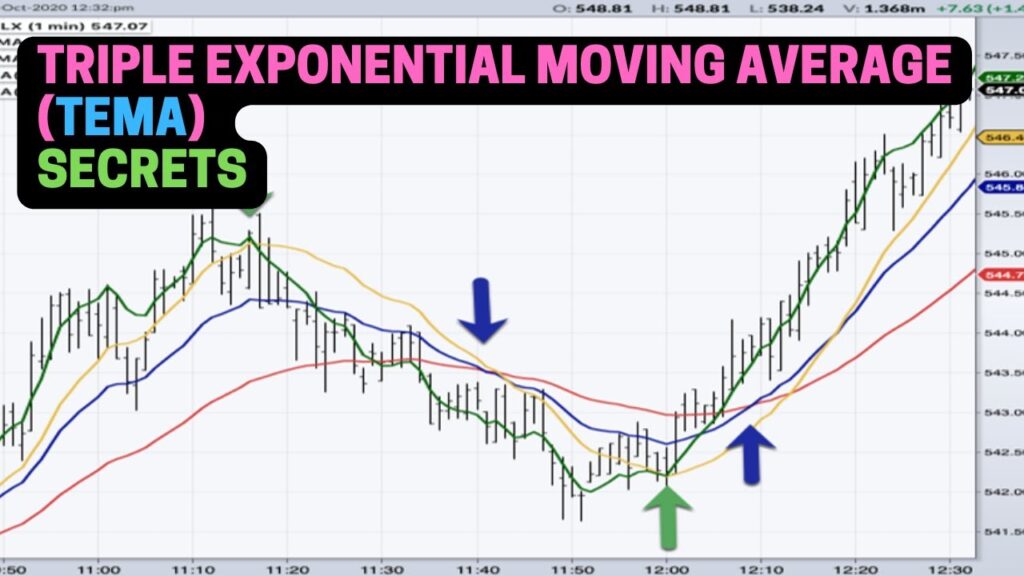
What Is the Triple Exponential Moving Average (TEMA)?

The Triple Exponential Moving Average (TEMA) is an advanced technical indicator used by traders and analysts to identify trends and ...
Read More
Double Exponential Moving Average (DEMA) Explained
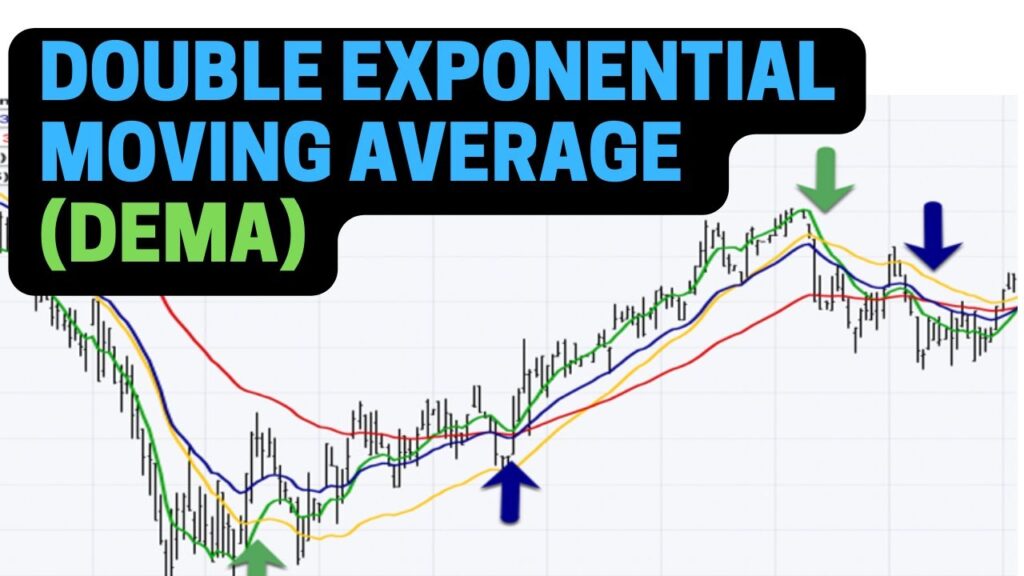
Double Exponential Moving Average (DEMA) Explained

In technical analysis, traders constantly seek tools to assist their decision-making processes. The Double Exponential Moving Average (DEMA) stands out ...
Read More
What Are Multi-Asset Strategies?

What Are Multi-Asset Strategies?

In an ever-evolving financial landscape, the quest for optimal investment strategies has led many to explore the versatility of multi-asset ...
Read More
  • Previous
  • 1
  • …
  • 3
  • 4
  • 5
  • 6
  • 7
  • …
  • 13
  • Next
Loading...

September 24, 2024

Capital Gains vs. Dividends: What Is the Better Option?

By ATGL

Updated September 24, 2024

When structuring your portfolios, you face a pivotal choice — focusing on capital gains or dividends. This is often framed as dividends versus capital gains, and it significantly impacts investment strategies and potential returns. Understanding the nuances between these two forms of investment income is vital for optimizing your financial approach and tax efficiency.

The dividends versus capital gains debate centers on whether to prioritize steady income streams or long-term asset appreciation. Each option offers distinct advantages and considerations, making it essential to carefully evaluate your financial goals, risk tolerance, and market outlook when deciding between dividends and capital gains.

Understanding Capital Gains

Capital gains refer to the increase in value of an asset from the time of purchase to the time of sale. When an investor sells an asset for a higher price than they paid, the difference represents a capital gain.

Types of Capital Gains: Short-Term vs. Long-Term

Capital gains are categorized based on the holding period of the asset:

  • Short-term capital gains: Profits from assets held for one year or less
  • Long-term capital gains: Profits from assets held for more than one year

This distinction plays a critical role in determining the tax implications of your investment strategy.

Understanding Dividends

Dividends are distributions of a company’s earnings to its shareholders. They represent a portion of the company’s profits paid out to investors, typically on a quarterly basis.

Types of Dividends: Qualified vs. Non-Qualified

Dividends are classified into two main categories:

  • Qualified dividends: Meet specific criteria set by the IRS and are taxed at preferential rates
  • Non-qualified dividends: Also known as ordinary dividends, taxed at regular income tax rates

The classification of dividends impacts their tax treatment, influencing the overall return on investment.

Taxation Implications of Capital Gains

The tax rates applied to capital gains vary based on the holding period and the investor’s tax bracket.

Tax Rates on Short-Term Capital Gains

Short-term capital gains are taxed as ordinary income, potentially pushing investors into higher tax brackets.

Tax Rates on Long-Term Capital Gains

Long-term capital gains benefit from preferential tax rates, which are generally lower than ordinary income tax rates. As of 2024, these rates range from 0% to 20%, depending on the investor’s taxable income.

Taxation Implications of Dividends

The tax treatment of dividends depends on their classification as qualified or non-qualified.

Tax Rates on Qualified Dividends

Qualified dividends are taxed at the same preferential rates as long-term capital gains, providing a tax advantage for investors.

Tax Rates on Non-Qualified Dividends

Non-qualified dividends are taxed as ordinary income, potentially resulting in higher tax liabilities for investors.

Capital Gains vs. Dividends: Comparative Analysis

Risk and Volatility

Capital gains involve higher risk and volatility, as they depend on market fluctuations and company performance. Growth-oriented stocks can experience significant swings based on earnings reports, industry trends, and economic conditions, leading to substantial gains in bull markets but also significant losses during downturns.

Dividends typically offer more stability. Companies that consistently pay dividends are often well-established firms with stable cash flows, providing a buffer against market turbulence. However, dividend payments are not guaranteed and can be reduced or eliminated if a company faces financial difficulties.

Controllability and Timing

Investors have more control over capital gains timing, deciding when to sell assets and realize profits. This flexibility allows for strategic tax planning but requires active management and market understanding.

Dividends are distributed at the company’s discretion on a fixed schedule, typically quarterly. This provides a predictable income stream but offers less flexibility to investors. The ex-dividend date — determining dividend eligibility — influences buying and selling decisions. Dividend reinvestment plans (DRIPs) offer some control by automatically reinvesting dividends, but timing remains tied to the company’s payment schedule.

Consistency of Returns and Reinvestments

Dividend investing, a strategy focusing on companies that regularly distribute profits to shareholders, provides a more consistent rate of return, especially with a dividend growth approach. This offers predictable income streams and reinvestment opportunities, appealing to income-oriented investors.

Capital gains may offer higher potential returns but with greater volatility. While this approach can lead to substantial wealth accumulation, it typically requires a longer investment horizon and higher risk tolerance. Gains are realized through price appreciation, often necessitating the sale of assets for portfolio rebalancing.

Managing Tax Liabilities

Effective tax management is crucial for maximizing overall returns. Here are strategies for minimizing tax liabilities.

How Do I Avoid Capital Gains Tax on Dividends?

Dividends themselves do not incur capital gains tax. However, to minimize taxes on dividends:

  • Hold dividend-paying stocks in tax-advantaged accounts like IRAs or 401(k)s
  • Focus on qualified dividends for preferential tax treatment
  • Consider tax-efficient dividend ETFs or mutual funds

Do Capital Gains Cancel Out Dividends?

Capital gains do not directly cancel out dividends. However, investors can use capital losses to offset capital gains and up to $3,000 of ordinary income, which may include non-qualified dividends.

Strategies for Minimizing Capital Gains Tax

  • Hold investments for more than a year to qualify for long-term capital gains rates
  • Use tax-loss harvesting to offset gains
  • Consider a step-up in basis for inherited assets

Strategies for Minimizing Dividend Tax

  • Invest in municipal bonds for tax-free dividends
  • Utilize tax-advantaged accounts for dividend-paying investments
  • Focus on qualified dividends for lower tax rates

Tips on Choosing the Best Option for Your Investment Strategy

When choosing between capital gains and dividends, consider these factors to guide your investment decisions.

Importance of Diversification

A well-balanced portfolio combines both growth stocks for capital gains potential and dividend-paying stocks for steady income. This approach helps manage risk while positioning your investments to benefit from various market conditions. Extend your diversification further by including stocks from different sectors and international markets.

Aligning Strategies With Financial Goals

Your investment approach should reflect your financial timeline and objectives. For short-term goals within a three-to-five-year horizon, dividend-paying stocks can provide more predictable income. If you’re focusing on long-term growth over 10 years or more, emphasizing capital gains can better harness the power of compound growth.

Identifying the Right Investment Mix

The ideal blend of dividend and growth stocks depends on your risk tolerance and income requirements. More conservative investors might find comfort in a higher allocation of dividend stocks, appreciating their stability and regular payouts. Those with a higher risk tolerance might lean towards growth stocks for potentially higher returns. A dividend growth investment strategy, which focuses on companies with a history of consistently increasing their dividend payments, can offer a balance between income and growth potential.

Timing the Market: Buy and Hold vs. Trading

While perfectly timing the market is challenging, you can adopt strategies to optimize your approach. Dollar-cost averaging can help smooth out the impact of market volatility on both dividend and growth strategies. For those inclined toward more active management, a dividend capture strategy involves buying stocks shortly before their ex-dividend date and selling soon after.

Individual Financial Situations

Your personal financial circumstances significantly influence the optimal strategy. Consider your tax bracket — investors in lower brackets might benefit more from qualified dividends, while those in higher brackets might prefer the tax treatment of long-term capital gains. Use tax-advantaged accounts like Roth IRAs for investments with high growth potential, allowing gains to compound tax-free.

Market Conditions and Economic Trends

The broader economic environment plays a crucial role in investment performance. During periods of economic expansion, growth stocks often outperform, benefiting those focused on capital gains. In contrast, during economic downturns, dividend-paying stocks in defensive sectors can provide stability to your portfolio. The interest rate environment also influences investment choices — low rates typically favor growth stocks, while higher rates can enhance the appeal of dividend-paying stocks relative to bonds.

Your Go-To Platform for Dividends and Capital Gain Investments

Above the Green Line offers comprehensive tools and strategies to help you navigate the complexities of dividends and capital gains investments. Our platform provides in-depth analysis of dividends per share, projected rates of return, and market trends to support your investment decisions.

Remember, a balanced approach often yields the best results. Check out Above the Green Line memberships, and see how we can help you develop a tailored investment approach that optimizes your portfolio for the growth potential of capital gains with the steady income of dividends.


Related Articles

Capital Gains vs. Dividends: What Is the Better Option?

Capital Gains vs. Dividends: What Is the Better Option?

When structuring your portfolios, you face a pivotal choice — focusing on capital gains or dividends. This is often framed ...
Read More
Explore how the DJIA guides various investment strategies.

Explore how the DJIA guides various investment strategies.

The Dow Jones Industrial Average (DJIA) serves as a powerful tool for guiding various investment strategies, offering investors insights into ...
Read More
What Is the Triple Exponential Moving Average (TEMA)?

What Is the Triple Exponential Moving Average (TEMA)?

The Triple Exponential Moving Average (TEMA) is an advanced technical indicator used by traders and analysts to identify trends and ...
Read More
Double Exponential Moving Average (DEMA) Explained

Double Exponential Moving Average (DEMA) Explained

In technical analysis, traders constantly seek tools to assist their decision-making processes. The Double Exponential Moving Average (DEMA) stands out ...
Read More
What Are Multi-Asset Strategies?

What Are Multi-Asset Strategies?

In an ever-evolving financial landscape, the quest for optimal investment strategies has led many to explore the versatility of multi-asset ...
Read More
  • Previous
  • 1
  • …
  • 3
  • 4
  • 5
  • 6
  • 7
  • …
  • 13
  • Next
Loading...

September 15, 2024

Explore how the DJIA guides various investment strategies.

By ATGL

Updated September 15, 2024

The Dow Jones Industrial Average (DJIA) serves as a powerful tool for guiding various investment strategies, offering investors insights into the performance of some of the largest and most stable companies in the U.S. economy. As a benchmark index that tracks 30 blue-chip stocks across multiple sectors, the DJIA provides a snapshot of overall market health and helps investors make informed decisions. Whether through long-term buy-and-hold approaches, dividend investing, or more dynamic strategies like sector rotation and momentum investing, the DJIA plays a pivotal role in shaping investment portfolios and managing risk. Below are several ways the DJIA influences and shapes different investment strategies.

1. Buy-and-Hold Strategy

One of the most common strategies associated with the DJIA is the buy-and-hold strategy, where investors purchase stocks or funds that track the index and hold them for the long term. The DJIA consists of blue-chip companies with a history of stability, profitability, and dividend payments. Investors who follow this strategy are banking on the fact that these large companies will continue to grow over time, providing consistent returns.

The buy-and-hold strategy works well with the DJIA because the index reflects the performance of well-established companies that are less prone to volatility than smaller or less mature firms. Over decades, the DJIA has demonstrated a strong upward trajectory, despite occasional market corrections or downturns. For long-term investors, holding DJIA-related assets allows them to benefit from the overall growth of these companies while avoiding the risks of short-term trading.

2. Dividend Investment Strategy

Another popular approach when investing in the DJIA is the dividend investment strategy. Many of the companies included in the DJIA pay regular dividends, making it an attractive option for income-seeking investors. A dividend-focused strategy involves investing in high-dividend stocks within the DJIA, such as Coca-Cola (KO), Johnson & Johnson (JNJ), and Procter & Gamble (PG), which have a history of paying reliable dividends.

Dividend investors often look for companies in the DJIA that not only offer a high dividend yield but also have a track record of growing their dividend payments over time. This provides both regular income and the potential for long-term capital appreciation. Investing in the DJIA as part of a dividend strategy can also serve as a hedge during periods of market volatility, as dividends can provide returns even when stock prices fluctuate.

3. Index Investing with ETFs

A straightforward way to invest in the DJIA is through index investing, particularly with Exchange-Traded Funds (ETFs) that track the performance of the DJIA. One of the most popular ETFs for this purpose is the SPDR Dow Jones Industrial Average ETF (DIA), which allows investors to buy shares that mirror the movements of the DJIA without having to purchase individual stocks.

Index investing is a low-cost strategy, as ETFs generally have lower expense ratios compared to actively managed funds. By investing in an ETF that tracks the DJIA, investors get exposure to the overall performance of the 30 companies in the index, benefiting from diversification across sectors. This strategy is ideal for investors who want to match the market’s performance rather than attempting to outperform it through active stock selection.

4. Sector Rotation Strategy

The DJIA covers various sectors, including technology, finance, consumer goods, healthcare, and industrials, making it useful for implementing a sector rotation strategy. This strategy involves shifting investments between sectors based on economic cycles. For instance, during periods of economic expansion, sectors like technology or industrials tend to outperform, whereas consumer staples or healthcare may do better in times of economic uncertainty.

Investors using a sector rotation strategy may focus on buying stocks or ETFs that represent sectors of the DJIA that are expected to perform well under current economic conditions. The DJIA can serve as a guide for understanding which sectors are thriving and which are lagging, helping investors make more informed decisions about when to shift their portfolios.

5. Contrarian Investing

Some investors use the DJIA as a basis for a contrarian investment strategy—buying when others are selling and selling when others are buying. This strategy is grounded in the belief that the market often overreacts to short-term news or economic events, creating opportunities to buy DJIA stocks at a discount when sentiment is negative. For example, if the overall market (including the DJIA) drops due to a broad economic scare, a contrarian investor might see this as an opportunity to buy quality companies in the index at lower prices.

This strategy can be risky, as it requires excellent timing and a strong understanding of market fundamentals. However, it can be particularly effective with the DJIA, given that the companies in the index are generally financially sound and likely to recover from short-term downturns.

6. Momentum Investing

Momentum investors seek to capitalize on market trends by investing in stocks that are moving upwards in price, with the belief that they will continue to rise. The DJIA can play a central role in a momentum investment strategy, as it includes well-performing, large-cap stocks that can be the leaders in bullish markets.

Momentum investors may focus on the strongest performers in the DJIA, such as technology companies like Apple (AAPL) or Microsoft (MSFT) when these stocks are experiencing upward momentum. This strategy, however, requires continuous monitoring, as momentum can shift quickly.

7. Hedging and Risk Management

For investors with significant exposure to the DJIA, hedging can be a valuable strategy for managing risk. Hedging strategies may involve using options or futures contracts related to the DJIA to protect against potential losses. For instance, if an investor is concerned about a market downturn but does not want to sell their DJIA holdings, they could buy a protective put option on the DJIA or an ETF that tracks it.

Hedging allows investors to maintain their long-term positions in DJIA stocks while mitigating the risk of short-term volatility. It’s commonly used by institutional investors or those with large portfolios tied to the index.

Conclusion

The DJIA plays a pivotal role in shaping a wide variety of investment strategies, ranging from long-term buy-and-hold approaches to short-term momentum plays. Whether investors are looking for steady income through dividends, diversification through index funds, or active trading opportunities, the DJIA offers a versatile set of opportunities. Understanding how the DJIA behaves in different market environments and leveraging it within a strategy tailored to individual financial goals can help investors make more informed and effective investment decisions.  Join Above the Green Line and find out which investment strategy meets your goal.

Related Articles

Capital Gains vs. Dividends: What Is the Better Option?

Capital Gains vs. Dividends: What Is the Better Option?

When structuring your portfolios, you face a pivotal choice — focusing on capital gains or dividends. This is often framed ...
Read More
Explore how the DJIA guides various investment strategies.

Explore how the DJIA guides various investment strategies.

The Dow Jones Industrial Average (DJIA) serves as a powerful tool for guiding various investment strategies, offering investors insights into ...
Read More
What Is the Triple Exponential Moving Average (TEMA)?

What Is the Triple Exponential Moving Average (TEMA)?

The Triple Exponential Moving Average (TEMA) is an advanced technical indicator used by traders and analysts to identify trends and ...
Read More
Double Exponential Moving Average (DEMA) Explained

Double Exponential Moving Average (DEMA) Explained

In technical analysis, traders constantly seek tools to assist their decision-making processes. The Double Exponential Moving Average (DEMA) stands out ...
Read More
What Are Multi-Asset Strategies?

What Are Multi-Asset Strategies?

In an ever-evolving financial landscape, the quest for optimal investment strategies has led many to explore the versatility of multi-asset ...
Read More
  • Previous
  • 1
  • …
  • 3
  • 4
  • 5
  • 6
  • 7
  • …
  • 13
  • Next
Loading...

August 26, 2024

What Is the Triple Exponential Moving Average (TEMA)?

By ATGL

Updated August 26, 2024

The Triple Exponential Moving Average (TEMA) is an advanced technical indicator used by traders and analysts to identify trends and potential reversal points in financial markets. Developed by Patrick Mulloy in 1994, TEMA reduces lag in traditional moving averages while maintaining sensitivity to price changes. This tool combines multiple exponential moving averages (EMAs) to provide a smoother and more responsive indicator for market analysis.

Triple Exponential Moving Average Formula and Calculations

The TEMA calculation involves three exponential moving averages, each building upon the previous one.

TEMA = (3 × EMA1) – (3 × EMA2) + EMA3

Where:

  • EMA1 is the exponential moving average of the closing price
  • EMA2 is the exponential moving average of EMA1
  • EMA3 is the exponential moving average of EMA2

This formula results in a moving average that reacts more quickly to price changes than a standard EMA or simple moving average (SMA).

Generating Trading Signals: How To Interpret TEMA

Traders use TEMA to generate buy and sell signals by analyzing its relationship with the price action.

Trend Direction Analysis

When prices consistently remain above the TEMA line, it indicates an uptrend. Conversely, prices below the TEMA suggest a downtrend.

Identifying Bullish and Bearish Crossovers

A bullish signal occurs when the price crosses above the TEMA line, potentially indicating the start of an uptrend. A bearish signal is generated when the price crosses below the TEMA, possibly signaling the beginning of a downtrend.

Using Dynamic Support and Resistance

The TEMA can act as dynamic support in uptrends and resistance in downtrends. Traders often look for bounces off these levels as potential entry points.

Recognizing Price-TEMA Divergence

When the price makes new highs or lows, but the TEMA doesn’t confirm this movement, it may indicate a potential trend reversal. This divergence can help you anticipate changes in market direction and adjust your strategies.

Advantages of Using TEMA

TEMA offers several benefits over traditional moving averages:

  1. Reduced Lag: The triple smoothing process significantly reduces the lag typically associated with moving averages, allowing for more timely entries and exits.
  2. Enhanced Trend Analysis: TEMA provides a clearer picture of the underlying trend by filtering out short-term price fluctuations and noise.
  3. Versatility: You can apply TEMA to various timeframes and financial instruments.
  4. Sensitivity to Price Changes: TEMA reacts more quickly to price movements than simple or exponential moving averages, potentially offering earlier signals.

Limitations of the TEMA Indicator

While TEMA is a powerful tool, be aware of its limitations:

  • Potential for False Signals: Like all technical indicators, TEMA can generate false signals, especially in choppy or ranging markets. Use TEMA with other indicators and analysis techniques.
  • Dependence on Market Conditions: TEMA performs best in trending markets. In sideways or highly volatile markets, its effectiveness may be reduced.
  • Complexity: The calculations behind TEMA are more complex than those of simple moving averages, which can make it challenging for beginners to understand and implement effectively.
  • Lagging Nature: Although TEMA reduces lag compared to other moving averages, it’s still a lagging indicator. It may not always provide timely signals in fast-moving markets.

Strategies for Implementing TEMA in Trading

Confirming Trends with Multiple Indicators

Use TEMA with other trend-following indicators like the Average Directional Index (ADX) to confirm the strength and direction of trends. This multi-indicator approach can help reduce false signals and increase confidence in your trading decisions. For example, a strong ADX reading combined with a clear TEMA trend can provide a more reliable trading signal.

Applying Multiple Timeframe Analysis

Apply TEMA across different timeframes to gain a comprehensive view of market trends and potential reversal points. This strategy allows you to align short-term trading opportunities with longer-term market directions. For instance, you might use a daily TEMA to identify the overall trend and a 4-hour TEMA to pinpoint entry and exit points.

Integrating Momentum Indicators

Pair TEMA with momentum oscillators like the Relative Strength Index (RSI) or Stochastic Oscillator to identify overbought or oversold conditions within the context of the overall trend. For example, you might look for oversold RSI readings in an uptrend identified by TEMA as potential buying opportunities.

Using Price Action Confluence

Look for areas where TEMA aligns with support and resistance levels or chart patterns for higher-probability trade setups. This confluence of technical factors can provide stronger signals and potentially more reliable trading opportunities. For instance, a bullish TEMA crossover occurring near a strong support level could indicate a high-probability long trade.

Implementing the TEMA Ribbon Technique

Use multiple TEMAs with different periods to create a “ribbon” effect, providing a visual representation of trend strength and potential reversal points. This technique can help you gauge the overall market sentiment and identify potential trend changes early. A widening ribbon might indicate a strengthening trend, while a narrowing or crossing ribbon could signal a potential reversal.

DEMA vs. TEMA: A Full Comparison

While both the Double Exponential Moving Average (DEMA) and TEMA aim to reduce lag and improve responsiveness, they have distinct characteristics:

  1. Calculation: DEMA uses two EMAs in its formula, while TEMA incorporates three, resulting in additional smoothing.
  2. Lag Reduction: TEMA typically provides even less lag than DEMA, making it more responsive to price changes.
  3. Smoothness: TEMA tends to produce a smoother line than DEMA, which can be beneficial in identifying clearer trends.
  4. Sensitivity: TEMA is generally more sensitive to price movements, potentially providing earlier signals but also increasing the risk of false signals.
  5. Complexity: TEMA’s calculations are more complex than DEMA’s, which may make it slightly more challenging to implement and interpret.

The choice between DEMA and TEMA often depends on the specific trading style, timeframe, and market conditions. Some traders prefer TEMA for its additional smoothing and responsiveness, while others opt for DEMA’s slightly simpler approach.

Maximize TEMA in Your Trading Activities With Above the Green Line

Incorporating the Triple Exponential Moving Average into your trading strategy can significantly enhance your ability to identify trends and potential reversal points. However, like any technical indicator, TEMA is most effective when used as part of a comprehensive trading system.

To further refine your approach to forecasting using moving averages and learn how to integrate TEMA with other powerful indicators, consider exploring the advanced tools and resources available at Above the Green Line. Our expert-designed trading systems and educational materials can help you leverage the full potential of TEMA and other technical indicators to make more informed trading decisions.

Discover our comprehensive membership options and gain access to professional-grade tools, real-time market insights, and expert guidance to elevate your trading strategy.


Related Articles

Capital Gains vs. Dividends: What Is the Better Option?

Capital Gains vs. Dividends: What Is the Better Option?

When structuring your portfolios, you face a pivotal choice — focusing on capital gains or dividends. This is often framed ...
Read More
Explore how the DJIA guides various investment strategies.

Explore how the DJIA guides various investment strategies.

The Dow Jones Industrial Average (DJIA) serves as a powerful tool for guiding various investment strategies, offering investors insights into ...
Read More
What Is the Triple Exponential Moving Average (TEMA)?

What Is the Triple Exponential Moving Average (TEMA)?

The Triple Exponential Moving Average (TEMA) is an advanced technical indicator used by traders and analysts to identify trends and ...
Read More
Double Exponential Moving Average (DEMA) Explained

Double Exponential Moving Average (DEMA) Explained

In technical analysis, traders constantly seek tools to assist their decision-making processes. The Double Exponential Moving Average (DEMA) stands out ...
Read More
What Are Multi-Asset Strategies?

What Are Multi-Asset Strategies?

In an ever-evolving financial landscape, the quest for optimal investment strategies has led many to explore the versatility of multi-asset ...
Read More
  • Previous
  • 1
  • …
  • 3
  • 4
  • 5
  • 6
  • 7
  • …
  • 13
  • Next
Loading...

August 26, 2024

Double Exponential Moving Average (DEMA) Explained

By ATGL

Updated August 26, 2024

In technical analysis, traders constantly seek tools to assist their decision-making processes. The Double Exponential Moving Average (DEMA) stands out as a powerful indicator that addresses some limitations of traditional moving averages. This article details the intricacies of DEMA, exploring its formula, calculations, and applications in trading strategies.

What Is DEMA?

The Double Exponential Moving Average is an advanced technical indicator that reduces the lag inherent in traditional moving averages. Developed by Patrick Mulloy in 1994, DEMA provides a more responsive and accurate representation of price trends.

DEMA achieves this by using two exponential moving averages (EMAs) in its formula, effectively doubling the percentage of recent price data considered. This approach results in a smoother line that reacts more quickly to price changes compared to standard moving averages.

Double Exponential Moving Average Formula and Calculations

The DEMA formula might appear complex at first glance, but understanding its components helps clarify its functionality:

DEMA = 2 x EMA(n) – EMA(EMA(n))

Where:

  • n is the number of periods
  • EMA(n) is the n-period exponential moving average of the price
  • EMA(EMA(n)) is the n-period exponential moving average of EMA(n)

To calculate DEMA:

  1. Compute the n-period EMA of the price data.
  2. Calculate another n-period EMA of the result from step 1.
  3. Multiply the first EMA by 2.
  4. Subtract the second EMA from the result of step 3.

This calculation method effectively reduces lag by giving more weight to recent price data while still considering historical trends.

Advantages of Using DEMA

DEMA offers several benefits that make it an attractive option for traders:

  • Reduced Lag Compared to Other Averages: DEMA responds more quickly to price changes than simple moving averages (SMA) or standard EMAs.
  • Better Trend Identification: The reduced lag allows you to identify potential trend reversals earlier, potentially leading to more timely entry and exit points.
  • Improved Responsiveness to Price Changes: DEMA’s structure makes it more sensitive to recent price movements, helping you stay ahead of market shifts.

Applications of DEMA in Technical Analysis and Trading

DEMA finds various applications in technical analysis and trading strategies.

Identifying Trends

Traders often use DEMA to determine the overall market trend. When prices consistently stay above the DEMA line, it suggests an uptrend. Conversely, prices remaining below the DEMA line may indicate a downtrend.

Significance of Crossovers

DEMA crossovers can signal potential trend changes. When the price crosses above the DEMA line, it might indicate a bullish trend. A price crossing below the DEMA line could suggest a bearish trend.

Determining Support and Resistance Levels

DEMA can act as dynamic support and resistance levels. In uptrends, the DEMA line often serves as support, while in downtrends, it may act as resistance.

Incorporating DEMA Into Trading Strategies

To use a double exponential moving average effectively, you can:

  • Combine DEMA with other indicators for confirmation. For instance, pairing DEMA with the Relative Strength Index (RSI) can provide insights into both trend direction and momentum.
  • Use multiple DEMA periods to identify short-term and long-term trends. A common approach is to use a shorter-period DEMA (e.g., 20-day) for short-term trends and a longer-period DEMA (e.g., 50-day) for long-term trends.
  • Implement DEMA in conjunction with volatility indicators for a more comprehensive market view. The Average True Range (ATR) can complement DEMA by helping traders gauge market volatility and set appropriate stop-loss levels.
  • Use DEMA crossovers as potential entry or exit signals, while considering other factors like volume and market sentiment. For example, a price crossing above the DEMA coupled with increasing volume might provide a stronger buy signal.
  • Apply DEMA to different timeframes to confirm trends across multiple time horizons. This multi-timeframe analysis can help traders align their short-term trades with longer-term market directions.
  • Utilize DEMA for forecasting using moving averages in combination with other technical tools. This approach can provide a more robust framework for predicting potential price movements and market trends.

DEMA vs. Traditional Moving Averages

Understanding how DEMA compares to other moving averages helps you choose the most suitable tool for their strategies.

Comparison With Simple Moving Average

DEMA reacts more quickly to price changes than SMA. While SMA gives equal weight to all data points in its calculation period, DEMA emphasizes recent data, potentially providing earlier signals.

Comparison With Exponential Moving Average

The difference between EMA and double EMA lies in their responsiveness. DEMA is generally more responsive to price changes than standard EMA. This increased sensitivity can lead to earlier trend identification but may also result in more false signals in choppy markets.

Comparison With Triple Exponential Moving Average (TEMA)

TEMA applies the exponential moving average concept three times, potentially resulting in even less lag than DEMA. However, this further reduction in lag comes at the cost of increased complexity and potential oversensitivity to price movements.

Weaknesses of DEMA

While DEMA offers several advantages, it’s not without drawbacks:

  1. Increased Sensitivity: The reduced lag can lead to more false signals, especially in volatile or ranging markets.
  2. Complexity: DEMA’s calculations are more complex than those of simple moving averages, which can make it challenging for novice traders to interpret.
  3. Lagging Indicator: Despite its improvements, DEMA remains a lagging indicator, meaning it can still provide delayed signals in rapidly changing markets.

Apply Your Trading Strategies and Profit From Chart Movements

The Double Exponential Moving Average serves as a valuable tool in a trader’s arsenal, offering improved responsiveness and trend identification capabilities in financial markets. But remember to use it in conjunction with other technical analysis tools and fundamental research for a well-rounded trading approach. By understanding its formula, applications, and comparisons with other moving averages, you can make more informed decisions in your technical analysis.

To further enhance your trading strategies and leverage tools like DEMA effectively, consider exploring Above the Green Line’s membership options. Our comprehensive resources and expert insights can help you refine your approach to forecasting using moving averages and other advanced technical indicators.

Related Articles

Capital Gains vs. Dividends: What Is the Better Option?

Capital Gains vs. Dividends: What Is the Better Option?

When structuring your portfolios, you face a pivotal choice — focusing on capital gains or dividends. This is often framed ...
Read More
Explore how the DJIA guides various investment strategies.

Explore how the DJIA guides various investment strategies.

The Dow Jones Industrial Average (DJIA) serves as a powerful tool for guiding various investment strategies, offering investors insights into ...
Read More
What Is the Triple Exponential Moving Average (TEMA)?

What Is the Triple Exponential Moving Average (TEMA)?

The Triple Exponential Moving Average (TEMA) is an advanced technical indicator used by traders and analysts to identify trends and ...
Read More
Double Exponential Moving Average (DEMA) Explained

Double Exponential Moving Average (DEMA) Explained

In technical analysis, traders constantly seek tools to assist their decision-making processes. The Double Exponential Moving Average (DEMA) stands out ...
Read More
What Are Multi-Asset Strategies?

What Are Multi-Asset Strategies?

In an ever-evolving financial landscape, the quest for optimal investment strategies has led many to explore the versatility of multi-asset ...
Read More
  • Previous
  • 1
  • …
  • 3
  • 4
  • 5
  • 6
  • 7
  • …
  • 13
  • Next
Loading...
  • « Previous Page
  • 1
  • …
  • 3
  • 4
  • 5
  • 6
  • 7
  • …
  • 13
  • Next Page »

Subscribe to Our Newsletter

AGL Logo

Get our eBook Now!

Candlestick - A Swing Traders Friend

We don’t spam! Read our privacy policy for more info.

Check your inbox or spam folder to confirm your subscription.

Voted #1 at Stock Charts

SH Chart
Inverse S&P 500 Fund (SH) will have a Money Wave Buy today.

Help Us Help Animals

Help Us Help Animals

Recent Comments

  • AbovetheGreenLine on Green Line Weekly Aug 27, 2023
  • lbrodt on Green Line Weekly Aug 27, 2023
  • Mitch Van Zelfden on Money Wave Alert! Jul 31, 2023
  • AbovetheGreenLine on Money Wave Alert! Jul 31, 2023
  • Mitch Van Zelfden on Money Wave Alert! Jul 31, 2023

Become a Green Liner!

Help me make more Money in the Stock Market.

Investing with Rules.

On ATGL

  • DashBoard
  • Weekly Commentary
  • Daily Buy / Sell Signals
  • Day Trade Setup
  • Trading Rooms

Strategies

  • Swing Trading
  • ATGL Pick of the Week
  • Dividend Growth
  • ETF Sector Rotation
  • Dogs of the Dow

Help

  • ATGL Trading Rules
  • FAQ
  • Account Maintenance
  • Contact US
  • Join

Stay Updated

No credit card required. Unsubscribe anytime

Check your inbox or spam folder to confirm your subscription.

© 2024 Above The Green Line. All rights reserved.

  • Twitter
  • LinkedIn
  • YouTube