• Market Insights
        • Commentary
          • Daily
          • Weekly
        • BUY / SELL SIGNALS
          • Trade Posts
          • Recent Trade Alerts
          • Recent Day Trades
        • BLOGROLL
          • Dividend Growth Blog
          • ETF Sector Blog
          • Dow Dogs
          • TPOW Blog
  • Strategies
        • SWING TRADING
          • Current Positions
          • Watchlists
          • Closed Positions
          • Candidates - TOP 100
          • Specialty Stocks
        • WEEKLY STOCK PICK
          • TPOW Charts
          • TPOW Performance
          • TPOW Strategy Guide
          • TPOW Performance Dashboard
        • DAY TRADING
          • Watch List
        • ATGL DASHBOARD
        • ETF STRATEGIES
          • ETF Sector Rotation
          • ETF Sector Portfolio
        • DIVIDEND GROWTH
          • Dividend Growth Portfolio
          • Dividend Calendar
        • DOGS OF THE DOW
          • Dogs of the Dow Portfolio
          • DOW 5 Portfolio
  • Markets
        • US MARKET
          • Commodities
          • Energy
          • Precious Metals
          • Volatility
        • GLOBAL MARKETS
          • Market Indices
          • Economic Calendar
          • FOREX Heat Map
          • FOREX Cross Rates
          • Crypto Currency Market
  • Investing
    • Discord Community
    • Dashboard
  • Resources
        • ARTICLES
          • Dividend Growth Model Articles
          • ETF Articles
          • Investment Strategies Articles
          • Market and Economic Insights
          • Stock Trade Articles
          • Stock Reviews
        • TOOLS
          • Stock Scanners
          • Charting Software
          • Brokerage Firms
        • STOCK CHARTS
          • Key Components
          • Reading Charts
          • Drawing Stock Charts
          • Identifying Trends
        • RETIREMENT PLANNING
  • About
    • Contact Us
    • How to Win
    • #1 At Stockcharts
    • Disclaimer
    • FAQ
  • Log In
  • Subscribe
Menu
  • Market Insights
    • Commentary
      • Daily
      • Weekly
    • BUY / SELL SIGNALS
      • Trade Posts
      • Recent Trade Alerts
      • Recent Day Trades
    • BLOGROLL
      • Dividend Growth Blog
      • ETF Sector Blog
      • Dow Dogs
      • TPOW Blog
  • Strategies
    • SWING TRADING
      • Current Positions
      • Watchlists
      • Closed Positions
      • Candidates – TOP 100
      • Specialty Stocks
    • DAY TRADING
      • Watch List
    • WEEKLY STOCK PICK
      • TPOW Charts
      • TPOW Performance
      • TPOW Strategy Guide
      • TPOW Performance Dashboard
    • DIVIDEND GROWTH
      • Dividend Growth Portfolio
      • Dividend Calendar
    • DOGS OF THE DOW
      • Dogs of the Dow Portfolio
      • DOW 5 Portfolio
    • ETF STRATEGIES
      • ETF Sector Rotation
      • ETF Sector Portfolio
    • ATGL DASHBOARD
  • Markets
    • US MARKET
      • Commodities
      • Energy
      • Precious Metals
      • Volatility
    • GLOBAL MARKETS
      • Market Indices
      • Economic Calendar
      • FOREX Heat Map
      • FOREX Cross Rates
      • Crypto Currency Market
  • Investing
    • Discord Community
    • Dashboard
  • Resources
    • ARTICLES
      • Dividend Growth Model Articles
      • ETF Articles
      • Investment Strategies Articles
      • Market and Economic Insights
      • Stock Trade Articles
      • Stock Reviews
    • TOOLS
      • Stock Scanners
      • Charting Software
      • Brokerage Firms
    • STOCK CHARTS
      • Key Components
      • Reading Charts
      • Drawing Stock Charts
      • Identifying Trends
    • RETIREMENT PLANNING
  • About
    • Contact Us
    • How to Win
    • #1 At Stockcharts
    • Disclaimer
    • FAQ
  • Log Out
    • Members-Page
    • Referral
  • Log In
  • Subscribe
Log In
Log Out
Subscribe

November 17, 2024

What Is an Asset Bubble? Causes, Examples, and Protection

Five stages of Asset Bubbles

By ATGL

Updated November 17, 2024

An asset bubble occurs when the price of an asset, such as stocks, real estate, or commodities, rises dramatically above its fundamental value. During these periods, market participants drive prices to unsustainable levels through excessive speculation and unrealistic expectations of future returns. These dramatic price increases typically stem from a combination of psychological factors, market conditions, and economic policies rather than underlying value or practical utility.

Types of Asset Bubbles

Financial markets have witnessed various types of asset bubbles throughout history, each with distinct characteristics and implications for investors. Stock market bubbles represent one of the most common forms, occurring when equity valuations become divorced from fundamental factors like earnings and growth potential. These bubbles often concentrate in specific sectors, as witnessed during the dot-com boom of the late 1990s.

Real estate bubbles develop when property values rise substantially above levels supported by rental income, population growth, and local economic conditions. Credit bubbles form through excessive lending and borrowing, often fueling other types of bubbles through increased leverage. Commodity bubbles manifest when raw materials or agricultural products experience rapid price appreciation without corresponding changes in supply and demand fundamentals.

What Are the 5 Stages of an Asset Bubble?

Asset bubbles typically progress through five distinct stages, each marked by specific market behaviors and investor psychology:

  1. Displacement Phase: A new paradigm, technology, or economic condition creates legitimate excitement about future prospects. This occurred during the early days of internet companies, when revolutionary technology promised to transform commerce.
  2. Boom Phase: Prices begin rising steadily, attracting early investors who recognize the trend. Professional investors and institutions often drive this phase, lending credibility to the market’s upward movement.
  3. Euphoria Phase: Characterized by widespread public participation and the belief that traditional valuation metrics no longer apply. Market enthusiasm reaches its peak during this stage.
  4. Profit-Taking Phase: Sophisticated investors recognize unsustainable valuations and begin selling their positions. However, new investors continue entering the market, temporarily supporting prices.
  5. Panic Phase: Reality sets in, triggering a mass exodus as investors rush to exit positions, leading to a dramatic price collapse. This final stage often results in prices falling below fundamental values.

Causes of Asset Bubbles and Warning Signs

Multiple factors contribute to the formation and growth of asset bubbles. Psychological factors play a central role, as human emotions often override rational analysis during periods of market excitement. The fear of missing out drives investors to participate despite recognizing elevated valuations, while confirmation bias leads them to dismiss contrary evidence.

Economic conditions create an environment where bubbles can flourish. Prolonged periods of low interest rates encourage borrowing and speculation, while excess market liquidity provides fuel for asset price inflation. Strong economic growth can create optimism that spills over into irrational exuberance, particularly when combined with technological advancement or financial innovation.

The regulatory environment significantly influences bubble formation. Insufficient oversight can allow dangerous practices to increase, while certain tax policies might inadvertently encourage speculation. Deregulation of financial markets sometimes removes important safeguards, enabling excessive risk-taking.

Several warning signs often precede or accompany asset bubbles:

  • Asset values rising significantly faster than historical averages
  • Traditional valuation metrics reaching extreme levels
  • Widespread dismissal of fundamental analysis
  • Rapid increase in margin debt and leverage
  • Unusual levels of public participation in markets
  • Claims that historical precedents no longer apply

Strategies for Protecting Against Asset Bubbles

Strategic investors recognize how assets tend to return to their historical averages over time. Mean reversion analysis helps identify inflated valuations before market corrections occur.

Diversification across uncorrelated assets limits exposure when bubble conditions emerge, as different asset classes rarely experience simultaneous price inflation. Regular portfolio rebalancing compels investors to sell overvalued assets and purchase undervalued ones. Strategic cash reserves serve dual purposes: buffering against market volatility and providing capital for opportunistic purchases during market corrections.

Fundamental analysis is particularly important during potential bubble periods. Investors should focus on metrics like:

  • Price-to-earnings ratios compared to historical averages
  • Cash flow generation and quality
  • Balance sheet strength and leverage levels
  • Competitive advantages and market position
  • Management track record and capital allocation

Historical Examples of Asset Bubbles

Financial markets have witnessed several devastating asset bubbles throughout history, each offering lessons for modern investors:

  • The Dutch Tulip Bubble (1636-1637): Single tulip bulbs sold for more than luxury homes in Amsterdam. When confidence collapsed, prices fell by over 99%, devastating the Dutch economy.
  • Japan’s Real Estate and Stock Market Bubble (1986-1991): The Nikkei 225 (NKY) reached nearly 39,000 points in 1989. Property values in Tokyo exceeded California’s entire real estate market. The collapse led to Japan’s “Lost Decades.”
  • The Dot-com Bubble (1995-2000): NASDAQ rose 582% before crashing. Internet companies reached billion-dollar valuations without revenue. The index fell 76% from peak, wiping out $5 trillion in market value.
  • The U.S. Housing Bubble (2006-2008): Home prices rose 124% between 1997 and 2006. Subprime mortgages reached $1.3 trillion. The collapse triggered a global financial crisis, with average home prices falling 33%.

FAQs About Asset Price Bubbles

Are We in an Asset Bubble?

Identifying active asset bubbles requires careful analysis of multiple factors, including valuations, interest rates, market sentiment, and economic conditions. While certain assets may display bubble-like characteristics, making definitive declarations about bubbles proves challenging until after they burst. You should focus on maintaining disciplined investment approaches rather than trying to time market peaks precisely.

How Long Do Asset Bubbles Last?

Financial asset bubbles typically develop over several years, though their duration varies significantly based on economic conditions, market psychology, and regulatory responses. The expansion phase often lasts two to five years, while the collapse can occur rapidly, sometimes within months. However, some bubbles, like Japan’s real estate bubble, can persist for longer periods before deflating.

Navigating Asset Bubbles With Informed Decisions

Successfully navigating asset bubbles requires a combination of market knowledge, disciplined analysis, and robust risk management strategies. Above the Green Line’s membership services provide sophisticated tools and analysis to help investors identify market risks and opportunities. Our comprehensive approach combines technical analysis, market sentiment tracking, and risk management strategies to help you make informed investment decisions.

Through our proven methodologies, we help investors recognize potential bubble conditions early while maintaining exposure to market opportunities. Our analysis focuses on fundamental factors that drive long-term value creation, helping members avoid the pitfalls of speculation and emotional decision-making.

Join Above the Green Line to access professional-grade investment tools and stay ahead of market trends.

Related Articles

Reversion to the Mean Investment Strategies

Mean Reversion Explained: A Comprehensive Overview for Investors
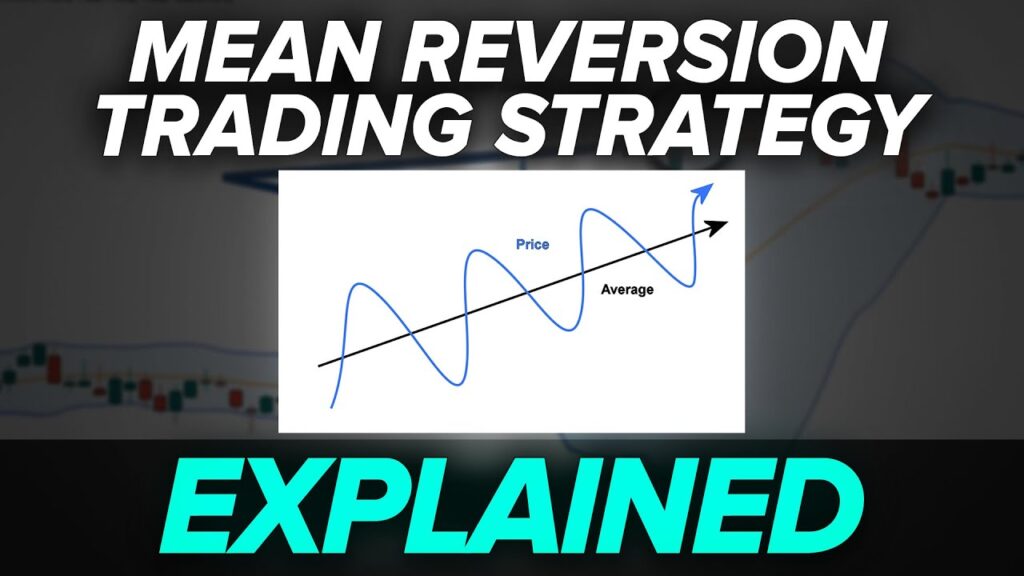
Investors often grapple with market unpredictability, continually seeking strategies to gain an edge. One such intriguing concept is mean reversion, ...
Read More
What is Copy Trading

What Is Copy Trading? Strategies, Pros and Cons
Imagine a world where you can invest in the stock market without spending hours analyzing charts and market trends—this is ...
Read More
Scalping vs. Swing Trading: What Is the Difference?
Scalping vs. Swing Trading: What Is the Difference?

At the intersection of speed and patience in financial markets lie two prominent trading strategies: scalping, with its lightning-fast executions, ...
Read More
What Is Weighted Moving Average Forecasting?
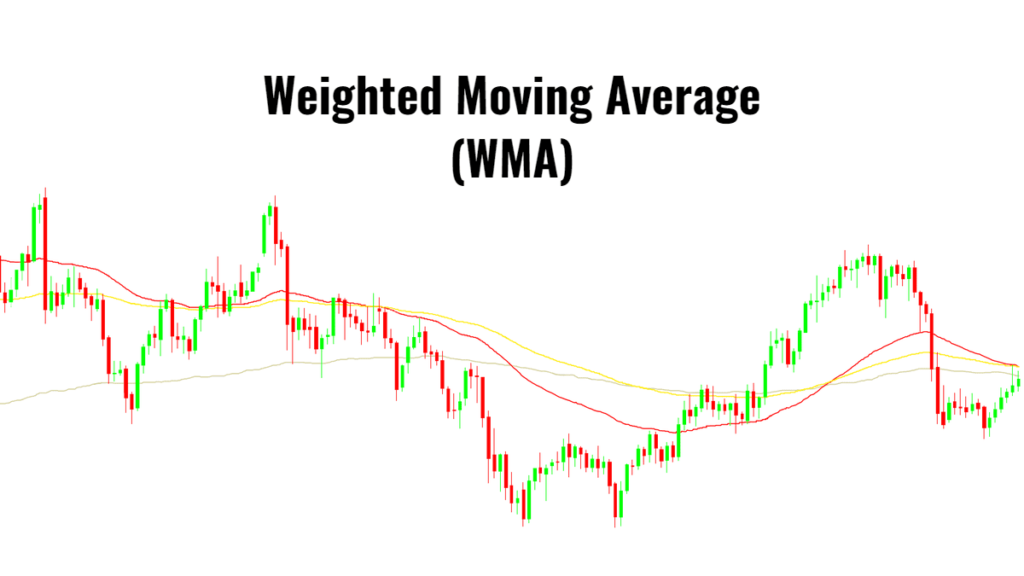
What Is Weighted Moving Average Forecasting?

Weighted Moving Average (WMA) forecasting is a sophisticated technique used by traders and investors to analyze and predict price trends ...
Read More
Day Trading Taxes: Rates and Tips To Pay Less

Day Trading Taxes: Rates and Tips To Pay Less

Day trading offers opportunities for profit, but it also comes with complex tax obligations. Figuring out how these taxes work ...
Read More
  • Previous
  • 1
  • 2
  • 3
  • 4
  • 5
  • 6
  • …
  • 13
  • Next
Loading...

November 7, 2024

Mean Reversion Explained: A Comprehensive Overview for Investors

Reversion to the Mean Investment Strategies

By ATGL

Updated November 9, 2024

Investors often grapple with market unpredictability, continually seeking strategies to gain an edge. One such intriguing concept is mean reversion, an idea that encourages looking for patterns and returns to average values over time. Understanding mean reversion can unveil essential insights into market behavior and enhance investment strategies.

At its core, mean reversion posits that asset prices fluctuate around a historical average, making it a critical concept in both theoretical finance and practical trading. Grounded in theories like the Efficient Market Hypothesis and reinforced by statistical principles, mean reversion offers investors a structured way to approach price analysis. By exploring market dynamics and psychological factors, traders can identify opportunities bound to revert to their mean.

In this article, we will thoroughly dissect mean reversion, delving into its calculation methods, integration with technical analysis, and its multifaceted applications in trading strategies. We will also discuss the benefits and limitations of this approach, supported by real-world examples, ultimately equipping investors with the knowledge to navigate their portfolios with greater confidence.

What is Mean Reversion?

Mean reversion is a financial theory positing that asset prices and returns tend to gravitate back toward their historical average over time. This theory helps identify market anomalies and inefficiencies, suggesting that extreme price movements are temporary and will eventually stabilize.

Traders use mean reversion strategies by buying undervalued assets and selling overvalued ones, betting on price normalization. Key indicators like Bollinger Bands and moving averages help determine entry and exit points based on this principle. However, market conditions can impact these strategies, as prolonged trends might prevent the expected return to the mean.

Reversion trading strategies are popular in volatile and range-bound markets where frequent price fluctuations offer buying and selling opportunities. Understanding market dynamics through statistical analysis of historical returns and standard deviation can enhance the effectiveness of reversion strategies. Despite its appeal, the success of mean reversion depends on accurately recognizing when an asset has reached extreme conditions and predicting its movement back to the long-term mean.

Theoretical Foundation of Mean Reversion

Mean reversion is a financial theory suggesting that asset prices and historical returns gravitate towards their long-term average levels. This theory views extreme price movements as outliers, indicating that such deviations are not sustainable over time. The greater a price deviates from the historical mean, the higher the likelihood it will realign with the average.

Mean reversion is versatile, applying across various asset classes such as stocks, bonds, and commodities. The fundamental premise is that extreme values are temporary, and financial metrics will eventually revert to typical levels given sufficient time.

Efficient Market Hypothesis

The Efficient Market Hypothesis (EMH) posits that financial markets efficiently incorporate all available information, continuously reflecting it in asset prices. As a key component of modern financial theory, the EMH suggests the complexity of identifying undervalued stocks and predicting future performance.

The EMH is often challenged by mean reversion theory, which argues that markets can either overreact or underreact to new information, creating temporary price distortions. These distortions are believed to correct over time, questioning the absolute efficiency suggested by the EMH.

Statistical Concepts

Mean reversion can be assessed through statistical analysis, focusing on how much an asset price deviates from its historical mean. Standard deviation is a crucial tool in this analysis, quantifying the volatility around the mean and providing insights into typical price deviations.

A systematic mean reversion trading approach involves identifying overbought or oversold conditions based on deviations from the historical average. Traders utilize statistical thresholds, defined by the number of standard deviations, to recognize potential mean reversion opportunities in the market.

Mechanisms of Mean Reversion

Mean reversion is a financial theory suggesting that asset prices and historical returns tend to revert to their long-term mean or average level. This phenomenon is often driven by economic indicators and historical price performance. The greater the deviation from the mean, the higher the probability that the next price movement will be closer to this average, reflecting a natural oscillation back toward typical levels after experiencing extreme fluctuations.

Technical analysis tools like moving averages, Bollinger Bands, and oscillators such as the Relative Strength Index (RSI) are frequently employed to identify mean reversion opportunities. These tools help traders spot overbought or oversold conditions, providing signals based on statistical analysis for potential reversion situations. The Vasicek model exemplifies mean reversion by describing how interest rates, when deviating from average levels, are drawn back towards a long-term mean.

While mean reversion is a sound concept, it has limitations. It assumes that prices will return to normal, which is not guaranteed. Some significant price changes may indicate a new normal for the asset, making reversion strategies less effective.

Price Fluctuations and Market Dynamics

Mean reversion posits that asset prices and market returns eventually gravitate toward their historical averages. Extreme price fluctuations are typically temporary, indicating a predictable pattern within market dynamics. This provides arbitrage opportunities when prices deviate from their means due to irrational behavior or delayed reactions to new information, helping investors navigate market fluctuations.

The cyclic nature of mean reversion is evident as greater deviations from the mean increase the probability of asset prices returning closer to that mean. Understanding this cycle allows investors to develop informed investment strategies based on anticipated price movements, taking advantage of the predictable nature of market dynamics.

Market Psychology and Behavior

Investors frequently overreact to current events and information, leading to speculative valuations and increased market volatility. This risk aversion often results in investors holding onto equities after negative news, with equity prices gradually returning to profitability as negative sentiment fades. The attraction of lower equity prices motivates investors to buy, seeking future profits and influencing market dynamics.

Mean reversion suggests that such market anomalies often correct themselves over time. Excessive reactions to news or financial reports result in temporary mispricings that tend to revert. This behavior is also influenced by the availability bias, with investors making decisions based on readily available information rather than thorough analysis.

Calculation Methods

Mean reversion is a financial theory that emphasizes the tendency of asset prices to return to their historical average over time. This theory utilizes statistical measures and calculations to identify potential reversion opportunities. Various methods including regression analysis, time series analysis, and hypothesis testing help demonstrate mean reversion in asset prices effectively. These strategies focus on detecting significant deviations from the mean, which can trigger trading signals for potential buying or selling.

Moving Averages

Moving averages play a crucial role in smoothing price data to highlight trends, making them essential for identifying mean reversion opportunities. The two most common types include the Simple Moving Average (SMA), which averages closing prices over a specified period, and the Exponential Moving Average (EMA), which gives more weight to recent prices. Traders often combine these averages with other technical indicators to better identify mean prices and make informed trading decisions, especially in range-bound markets.

Z-Scores

Z-Scores are valuable in measuring how many standard deviations a current price deviates from the mean price, aiding in the identification of extreme price movements. The formula Z-Score = (Current Price – Mean Price) / Standard Deviation provides insights into the asset’s valuation relative to its average. Z-Scores help traders spot overbought or oversold conditions by using thresholds such as ±1.5 or ±2. High Z-Scores, indicating extreme conditions, can signal potential reversion points in volatile markets.

Integration with Technical Analysis

Mean reversion strategies leverage technical analysis to identify potential trading opportunities based on asset prices deviating from historical averages. Tools like moving averages and statistical measures help traders gauge the extent of price deviations. By analyzing these deviations, traders aim to develop strategies predicting that prices will revert to their long-term mean over time.

However, market conditions, such as economic events, can disrupt mean-reverting patterns. It’s crucial for traders to integrate mean reversion with other technical analysis techniques like moving average crossovers to anticipate temporary and predictable price movements.

Bollinger Bands

Bollinger Bands are a popular tool in mean reversion strategies, consisting of a moving average with two standard deviation lines plotted above and below. These bands expand and contract in response to market volatility. When an asset’s price moves outside the bands, it is often seen as overbought or oversold, signaling potential mean reversion opportunities.

Traders leverage Bollinger Bands to determine entry and exit points by observing how prices behave in relation to these bands. Typically calculated using a 20-day simple moving average, Bollinger Bands offer insights into whether an asset is trading at an extreme compared to its recent price performance.

Relative Strength Index (RSI)

The Relative Strength Index (RSI) is a momentum oscillator that evaluates speed and change in price movements, ranging from 0 to 100. An RSI value above 70 suggests the asset might be overbought, while a value below 30 implies it might be oversold, indicating potential mean reversion points.

Traders utilize the RSI to recognize when an asset’s price might revert to its historical average. Particularly in volatile markets, the RSI serves as a risk management tool, helping traders set stop-loss orders around the mean and identify take-profit points for assets above their historical averages.

Trading Strategies Based on Mean Reversion

Mean reversion is a financial theory that asserts asset prices will revert to their historical average over time. Traders use this concept to identify price deviations from the mean to profit from corrective movements. Technical indicators such as Bollinger Bands, RSI, Stochastic Oscillator, and MACD are commonly employed to recognize overbought or oversold conditions. These tools help traders set clear entry and exit points, enhancing their strategies across various asset classes.

Day Trading Strategies

In day trading, mean reversion strategies involve buying and selling assets within a single day. Traders rely on indicators like RSI, Stochastic Oscillator, and Bollinger Bands to spot market extremes. Well-defined entry and exit points are crucial to capitalize on short-term price fluctuations. Effective risk management is achieved through stop-loss orders, which are placed just outside identified overbought or oversold levels to safeguard positions.

Swing Trading Techniques

Swing traders utilize mean reversion strategies to capture small, intraday profits as prices revert to their historical averages. This approach is versatile, applicable to stocks, forex, commodities, and indices. Technical indicators such as RSI and Bollinger Bands are instrumental in identifying trading opportunities. Clear entry and exit points help in setting stop-loss orders, mitigating risk as prices overreact to news and events.

Long-Term Investment Applications

Long-term investors often adopt strategies aligned with mean reversion, capitalizing on price corrections back to historical averages. Markets with slower reversion rates, like K.O.S.P.I., offer stability for long-term investment. Mean reversion helps investors understand and predict the rate at which asset prices revert, fostering effective long-term strategies. By focusing on historical price patterns, investors can better navigate market volatility and manage risk through informed decision-making.

Benefits of Mean Reversion

Mean reversion offers traders a clear framework for making trading decisions by providing identifiable entry and exit points. This is achieved through strategies like stop-loss orders around the mean price, limiting investment risk. As a short-term trading strategy, it exploits intraday price movements, thus presenting numerous opportunities for profit.

Mean reversion indicators effectively identify overbought and oversold conditions, aiding traders in the decision-making process. The strategy supports the belief that significant deviations from historical averages can result in lucrative opportunities, reinforcing the potential for compounding earnings. Furthermore, it contributes to the accurate pricing of options by relying on historical average prices, assisting traders in making informed decisions on call or put contracts.

Predictability and Planning

According to the mean reversion theory, extreme price points in equity markets are often followed by a return to long-term averages. This presents a foundation for predicting future price movements. In volatile markets, mean reversion can help investors pinpoint buying opportunities in significantly undervalued assets, anticipating a rebound towards historical averages.

The concept provides room to capitalize on temporary market distortions, as prices frequently revert to their means. However, it’s essential to note that economic events can disrupt these mean-reverting patterns, implying that while predictability is often present, external factors can influence actual price behavior. Moreover, mean reversion challenges notions of market efficiency by revealing potential arbitrage opportunities.

Risk Management Implications

Understanding mean reversion is crucial for risk management, allowing traders to hedge potential losses when stock prices deviate from historical averages. Recognizing overbought or oversold conditions with this approach helps avoid entering or maintaining positions at unsustainable levels, enhancing overall risk management strategies.

By identifying extreme price movements through mean reversion techniques, traders can set effective stop-loss orders, limiting potential losses. These strategies exploit market inefficiencies, giving traders a method to capitalize on temporary mispricings while adequately managing associated risks. For successful execution, assessing the risk and potential reward of selected securities is crucial, driving effective decision-making in risk management contexts.

Limitations of Mean Reversion

Mean reversion is a financial theory predicting that asset prices will eventually return to their historical average. However, this strategy can struggle in markets with strong trends, where prices deviate from their mean over extended periods. Timing these reversion patterns is risky, as economic news or events can disrupt this mean-reverting behavior, leading to possible losses.

Market Exceptions

Market anomalies and unforeseen events, like Black Swan events, can prevent prices from reverting to their historical average, undermining the assumptions of mean reversion. Additionally, market manipulation and insider trading can distort typical price movements, making mean reversion strategies unreliable. The efficient market hypothesis may oversimplify dynamics, further challenging the effectiveness of this strategy as a predictive tool.

Timing and Volatility Challenges

Implementing mean reversion strategies demands precise timing and patience, as anticipated reversion can take longer to materialize, especially in volatile conditions. While volatility can support mean reversion strategies, excessive market fluctuations can impede their success. Additionally, when high-frequency trading accompanies mean reversion, significant transaction costs might arise, posing further challenges to profitability.

Real-World Applications

Mean reversion strategies are versatile tools in trading and can be applied to stock prices, volatility, earnings, and market performance. Traders leverage historical data to identify an asset’s average price, using this information to spot significant deviations and make informed trading decisions. This approach is particularly useful for risk management by signaling overbought or oversold conditions. Algorithmic trading algorithms frequently employ mean reversion techniques to find buying and selling opportunities, using technical indicators such as moving averages and RSI to pinpoint extreme price deviations and optimize trade timing.

Case Studies of Mean Reversion in Financial Markets

The dot-com bubble of the late 1990s exemplifies mean reversion, where inflated technology stocks corrected over time. Similarly, during the 2008 financial crisis, commodity prices that plummeted eventually reverted to mean levels. In bond markets, mean reversion guides central banks’ interest rate adjustments to maintain rates near target means, affecting bond prices and yields. Stock prices often demonstrate mean reversion, as prices above historical averages may indicate overvaluation and the likelihood of a correction.

Portfolio Management Strategies

Mean reversion strategies significantly influence diversification and rebalancing in portfolio management. Investors may rebalance portfolios during downturns, forecasting asset prices to revert to historical averages. This strategy can also help investors identify underpriced assets, presenting opportunities for gains when prices recover. By incorporating mean reversion concepts, portfolio management fosters disciplined investing aligned with historical price patterns, aiding in managing volatility and reducing emotional responses to market changes.

Join Above the Green Line today and learn how about our banana hunt trading strategy and how it mirrors the reversion to the mean.


Related Articles

Reversion to the Mean Investment Strategies

Mean Reversion Explained: A Comprehensive Overview for Investors

Investors often grapple with market unpredictability, continually seeking strategies to gain an edge. One such intriguing concept is mean reversion, ...
Read More
What is Copy Trading

What Is Copy Trading? Strategies, Pros and Cons

Imagine a world where you can invest in the stock market without spending hours analyzing charts and market trends—this is ...
Read More
Scalping vs. Swing Trading: What Is the Difference?

Scalping vs. Swing Trading: What Is the Difference?

At the intersection of speed and patience in financial markets lie two prominent trading strategies: scalping, with its lightning-fast executions, ...
Read More
What Is Weighted Moving Average Forecasting?

What Is Weighted Moving Average Forecasting?

Weighted Moving Average (WMA) forecasting is a sophisticated technique used by traders and investors to analyze and predict price trends ...
Read More
Day Trading Taxes: Rates and Tips To Pay Less

Day Trading Taxes: Rates and Tips To Pay Less

Day trading offers opportunities for profit, but it also comes with complex tax obligations. Figuring out how these taxes work ...
Read More
  • Previous
  • 1
  • 2
  • 3
  • 4
  • 5
  • 6
  • …
  • 13
  • Next
Loading...

October 22, 2024

What Is Copy Trading? Strategies, Pros and Cons

What is Copy Trading

By ATGL

Updated November 29, 2024

Imagine a world where you can invest in the stock market without spending hours analyzing charts and market trends—this is the allure of copy trading. As a revolutionary approach in the trading sphere, copy trading allows individuals to mimic the trades of experienced investors, potentially reaping the benefits without the steep learning curve.

The concept has gained popularity in recent years, particularly with the rise of social trading platforms that facilitate direct interaction between novice and seasoned traders. By understanding how copy trading works and its distinctions from other similar methods, such as social trading and mirror trading, investors can make more informed decisions about their trading strategies.

In this article, we will explore what copy trading entails, its advantages and disadvantages, and provide a comprehensive guide for beginners looking to dip their toes into this dynamic investing approach. Prepare to discover how to navigate the world of copy trading effectively while weighing its potential risks and rewards.

Understanding Copy Trade

Copy trading is an investment strategy where investors replicate the trades of experienced traders. This approach allows individuals to engage in the financial market without needing prior trading experience or market expertise. By choosing to follow skilled traders, also known as signal providers or leaders, investors can automate their trading activity, potentially benefiting from the leader’s expertise and trading history.

Copy trading platforms enable this process by providing tools to connect investors with expert traders. These platforms offer filtering features that help users select strategies based on profitability, risk parameters, and other metrics. Despite offering a way to potentially earn profits, copy trading is not without risks. Market risk, liquidity risk, and exposure to losses remain integral parts of any trading strategy.

How Does Copy Trading Work?

Copy trading can be either partially or fully automated, allowing investors to allocate a portion of their capital to mirror the trades of selected traders. Once linked, future trades by these traders are automatically copied without further manual intervention from the investor. Investors can choose to spread their investment across multiple traders, aligning with different trading styles and risk levels.

Traders who are followed in copy trading may earn compensation through various means, such as subscription fees or spreads from the funds of the accounts that are mirroring their trades. This incentive encourages professional traders to share their strategies and trading signals with followers, hoping for successful trading outcomes that increase their follower base and, in turn, their earnings.

Understanding these mechanisms is crucial for investors aiming to maximize their return on investment while managing risks inherent in the forex or broader financial markets. Copy trading platforms serve as a bridge in this social trading network, effectively connecting amateur and professional traders in a mutually beneficial arrangement.

Social Trading vs Copy Trading

Social trading focuses on the exchange of ideas and market insights among traders. It does not automate the execution of trades, requiring users to manually implement chosen strategies. Conversely, copy trading automates this process, enabling risk adjustments per trade. This feature allows users to tailor their risk management approach, providing more personalized investment strategies compared to simply mimicking another trader’s actions.

Mirror Trading vs Copy Trading

Mirror trading involves following a specific trading strategy or algorithm of a master trader with no modification to position sizes. Traders in mirror trading replicate the exact actions of a master trader, including how much capital is allocated per trade. In contrast, copy trading provides the option to adjust position sizes when copying trades, granting flexibility to investors. Mirror trading is often seen as a subcategory of copy trading, focusing on duplicating a specific algorithmic trading strategy rather than individual trades or decisions.

Benefits of Copy Trading

Copy trading offers a variety of advantages, especially for those new to the financial markets. By mimicking the trades of seasoned investors, it allows individuals without prior trading experience to participate in the forex and other markets confidently. Automation also plays a key role, as it eliminates emotional trading decisions, which are often detrimental to performance. Studies indicate that investors using copy trading achieve success approximately 10% more often than those trading manually.  Additionally, learning about trading risk management when investing in a copy trading strategy empowers individuals to protect their capital, helping them mitigate potential losses and improve long-term returns through informed decisions on risk exposure and trade allocation.

Accessibility for Novice Investors

Copy trading is particularly accessible for beginners, making it an excellent starting point for those interested in financial markets. It requires no prior trading knowledge, as users can simply replicate the strategies of more knowledgeable traders. This leads to an enhanced learning experience, where novices can observe when and where to execute trades. Additionally, the social aspect of copy trading platforms enables traders to share strategies and trading education, benefiting beginners immensely.

Time-Saving Benefits

One of the key advantages of copy trading is the time it saves for investors. Instead of spending hours on market research and analysis, users can rely on the expertise of experienced traders, freeing up time for other activities. The process is largely automatic; investors just need to select which traders to follow and set their investment parameters. This minimal effort in trade execution is particularly appealing for those with busy schedules.

Learning From Experienced Traders

Copy trading platforms provide a valuable opportunity for novice investors to learn directly from experienced traders. By observing successful trading strategies, beginners can increase their understanding of market dynamics without requiring deep analytical abilities.  Beginner investors can also benefit from learning about technical indicators, as these tools help them understand the strategies being followed, including entry and exit points, and the market trends that more experienced traders are basing their decisions on.  Moreover, even experienced traders can benefit by discovering new strategies and trading methods from others on the platform, potentially enhancing their own performance. This mutual exchange of knowledge fosters a beneficial learning environment for all participants.

Drawbacks of Copy Trading

Copy trading is a popular tool in the financial market that allows individuals to replicate the trades of experienced traders with minimal effort. However, there are notable drawbacks associated with this approach that can impact investors in various ways.

Dependency on Traders’ Performance

When you engage in copy trading, your returns are directly tied to the performance of the traders you follow. A profitable past does not guarantee future success, and a once successful trader may start declining soon after you begin mirroring their trades. It’s crucial to choose traders with a substantial trading history and moderate returns to ensure a balanced risk level. Evaluating their trading strategy and risk parameters is necessary to gauge the sustainability of their performance.

Market Risks

Copy trading does not shield investors from inherent market risks such as slippage, rejected orders, and platform outages. During volatile periods, liquidity risk can be a concern if the trades involve instruments with low liquidity. The financial market is unpredictable, and the performance of the copied trades is influenced by various market forces. Consequently, there is a possibility of losing invested capital if market conditions are unfavorable.

Limited Control and Flexibility

Engaging in copy trading means adopting the actions and decisions of the chosen trader, leading to limited flexibility in personal trading activity and strategy. While there is an option to set investment limits or exit copied trades, the overall outcome heavily depends on the decisions of the master trader. This approach restricts the ability to make independent decisions and hinders the potential for gaining deeper market knowledge through personal trading experience.

How To Start: A Beginner’s Guide

To begin copy trading, open an account with a reliable provider. After setting up the account, select a trader to follow by evaluating their trading metrics. Decide on the amount you’re willing to invest, ensuring you’re prepared to risk that capital. The selected trader’s actions will be automatically replicated in your account, potentially allowing you to benefit from their expertise. Copy trading offers a learning opportunity about financial markets, as beginners can observe experienced traders and understand buying and selling dynamics.

How To Select Traders To Copy

When selecting traders to copy, rely on open, customizable online rankings that highlight successful traders based on performance metrics. Review the trader’s statistics, including past performance and drawdown, to assess their risk level and trading effectiveness. Regularly evaluate the traders you follow, maintaining the flexibility to start or stop copying them. This ensures you retain control over your investment decisions.

Best Copy Trading Platforms

Copy trading platforms enable investors to automatically replicate selected strategy providers’ trades in real-time. These platforms usually don’t charge special fees for copy trading, other than standard brokerage fees. Platforms like LiteFinance offer rating systems for evaluating traders based on assets, profitability, and risk. MetaTrader 4 and MetaTrader 5 provide a built-in system that offers detailed information on traders’ historical performance and positions, helping you make informed decisions.

Developing a Successful Copy Trading Strategy

For a successful copy trading strategy, choose truly successful traders to follow. Avoid blindly duplicating trades without understanding the underlying strategies, as this could limit learning and profitability. Consider broker spreads and commissions, which can significantly impact profits, especially with frequent trading. While copy trading provides a good starting point, aim to eventually develop your own trading skills for better financial management and personal growth.

Discover the Best Place To Hone Your Trading Skills

Copy trading offers a unique opportunity for beginner traders to engage in the financial markets with minimal prior experience. By mirroring the trades of seasoned traders, beginners can learn from both their successes and failures. This approach is particularly effective for those who wish to develop their trading skills over time without taking on excessive risk initially.

While copy trading automates most of the process, traders have the flexibility to partially copy trades or make independent decisions based on expert insights. This fosters an environment where skill development occurs naturally, allowing for gradual transition to more autonomous trading practices. Social trading platforms enhance this experience by fostering community interactions, providing access to a wealth of resources and insights.

The ability to observe and analyze the trading strategies of experienced professionals offers a pathway for expanding one’s trading knowledge. While the learning experience may be somewhat limited, the exposure to different trading styles and risk tolerances can significantly enhance a novice’s understanding of market dynamics. This structured environment makes social trading platforms one of the best places to hone trading skills effectively.  Join Above the Green Line today and learn how we can help you improve your trading skills.


Related Articles

Reversion to the Mean Investment Strategies

Mean Reversion Explained: A Comprehensive Overview for Investors

Investors often grapple with market unpredictability, continually seeking strategies to gain an edge. One such intriguing concept is mean reversion, ...
Read More
What is Copy Trading

What Is Copy Trading? Strategies, Pros and Cons

Imagine a world where you can invest in the stock market without spending hours analyzing charts and market trends—this is ...
Read More
Scalping vs. Swing Trading: What Is the Difference?

Scalping vs. Swing Trading: What Is the Difference?

At the intersection of speed and patience in financial markets lie two prominent trading strategies: scalping, with its lightning-fast executions, ...
Read More
What Is Weighted Moving Average Forecasting?

What Is Weighted Moving Average Forecasting?

Weighted Moving Average (WMA) forecasting is a sophisticated technique used by traders and investors to analyze and predict price trends ...
Read More
Day Trading Taxes: Rates and Tips To Pay Less

Day Trading Taxes: Rates and Tips To Pay Less

Day trading offers opportunities for profit, but it also comes with complex tax obligations. Figuring out how these taxes work ...
Read More
  • Previous
  • 1
  • 2
  • 3
  • 4
  • 5
  • 6
  • …
  • 13
  • Next
Loading...

October 22, 2024

Scalping vs. Swing Trading: What Is the Difference?

By ATGL

Updated October 22, 2024

At the intersection of speed and patience in financial markets lie two prominent trading strategies: scalping, with its lightning-fast executions, and swing trading, with its more deliberate approach. While both aim to profit from market fluctuations, they differ significantly in their execution and underlying principles. This article looks into the key differences between scalping and swing trading, helping you determine which strategy aligns best with your trading goals and style.

What Is Scalping?

Scalping is a high-frequency trading strategy that involves making numerous trades within extremely short time frames, typically seconds to minutes. Scalpers aim to profit from small price movements, often entering and exiting positions rapidly to accumulate many small gains throughout a trading session.

This approach requires intense focus and quick decision-making skills. Scalpers must be proficient at reading real-time market data and charts, as they often rely on technical analysis to identify short-term trading opportunities. The goal is to capitalize on minor price discrepancies before they disappear. If you’re interested in this approach, exploring various scalping trading strategies can provide valuable insights into this fast-paced trading style.

What Is Swing Trading?

Swing trading strategies involve holding positions for several days to weeks, aiming to profit from “swings” in asset prices. Swing traders attempt to capture larger price movements than scalpers, but their trades are typically shorter than those of long-term investors.

This strategy requires a broader market perspective and often incorporates both technical and fundamental analysis. Swing traders look for trends and potential reversals, using various indicators and chart patterns to inform their decisions. Mastering swing trading involves understanding essential order types and developing a keen sense of market trends.

Swing Trading vs. Scalping: A Full Comparison

Time Frame and Commitment

The most immediate and striking difference between scalping and swing trading lies in their respective time horizons and the level of engagement they demand from traders.

Scalping Requires Constant Attention

Scalpers operate in a high-pressure environment, making split-second decisions throughout the trading day. This approach demands unwavering concentration and the ability to react swiftly to market changes. Scalpers must be available during specific market hours and cannot afford to take their eyes off the screen for long.

Swing Trading Allows for More Flexibility

Swing traders, on the other hand, have more flexibility in their trading schedule. While they need to monitor their positions regularly, they don’t require the same level of constant vigilance as scalpers. This makes swing trading more accessible for those who cannot commit to full-time trading or prefer a less intense approach.

Risk Management Techniques

Effective risk management is crucial in trading, and the approaches used in scalping and swing trading differ significantly due to their contrasting time frames and trade frequencies.

Scalping Risk Management Strategies

Due to the high frequency of trades, scalpers face significant risks from transaction costs and potential losses. Effective risk management for scalpers often involves:

  • Setting strict stop-loss orders
  • Implementing high win-rate strategies
  • Carefully managing position sizes
  • Using advanced order types to automate exits

Swing Trading Risk Management Approaches

Swing traders typically face different risks, including overnight and weekend gap risks. Their risk management strategies often include:

  • Using wider stop-loss orders
  • Implementing trailing stops to protect profits
  • Diversifying across multiple positions
  • Adjusting position sizes based on market volatility

Monitoring and Trading Behaviors

The psychological demands and behavioral patterns required for scalping and swing trading are as different as the strategies themselves, each calling for a unique set of skills and mindset.

Scalpers’ Quick Decision-Making Mindset

Scalpers must develop a mindset that allows for rapid decision-making under pressure. They need to:

  • Process large amounts of information quickly
  • Act decisively on small price movements
  • Maintain emotional control during fast-paced trading sessions
  • Continuously adapt to changing market conditions

Swing Traders’ Patience and Analysis

Swing traders adopt a more patient approach, which involves:

  • Conducting thorough market analysis before entering trades
  • Waiting for optimal entry and exit points
  • Managing emotions over longer holding periods
  • Balancing technical analysis with fundamental market factors

Profit Scenarios

Understanding the profit potential and patterns in scalping and swing trading helps traders decide which strategy aligns best with their financial goals and risk tolerance.

Potential Earnings in Scalping

Scalpers aim for many small profits throughout the day. Their potential earnings depend on:

  • The number of trades executed
  • The average profit per trade
  • The consistency of their strategy
  • Their ability to minimize transaction costs

While scalping can lead to consistent profits, it requires a high level of skill and discipline to overcome the impact of trading fees and potential losses.

Profit Expectations in Swing Trading

Swing traders look for larger price movements, which can result in:

  • Fewer but potentially larger profits per trade
  • Lower impact of transaction costs on overall profitability
  • The ability to capture gains from longer-term market trends
  • Opportunities to benefit from overnight price gaps

Swing trading can offer substantial profits, but it also requires patience and the ability to withstand short-term market fluctuations.

Ensure Trading Profitability With Above the Green Line

Whether you lean toward scalping or swing trading, developing a robust strategy is necessary for long-term success. Above the Green Line offers comprehensive tools and resources to help you refine your trading approach. Our memberships provide access to expert insights, advanced analytics, and proven strategies that can enhance your trading performance, regardless of your preferred style.

Scalp Trading vs. Swing Trading FAQs

Is Scalping Better Than Day Trading?

Scalping and day trading are both short-term strategies, but scalping operates on an even shorter time frame. Whether scalping is better depends on individual preferences and skills. Scalping requires more intense focus and rapid decision-making, while day trading allows for slightly longer hold times and potentially fewer trades per day.

Which Type of Trading Is Most Profitable?

Profitability in trading depends on various factors, including the trader’s skill, market conditions, and risk management. Both scalping and swing trading can be profitable when executed effectively. Scalping may offer more frequent but smaller profits, while swing trading can yield larger gains per trade but with less frequency.

Is Scalping Good for Beginners?

Scalping is generally not recommended for beginners due to its fast-paced nature and the high level of experience required. Novice traders may find it challenging to make quick decisions and manage the stress associated with rapid trading. Beginners often benefit from starting with swing trading or longer-term strategies to develop their skills and understanding of market dynamics before considering scalping.

Related Articles

Reversion to the Mean Investment Strategies

Mean Reversion Explained: A Comprehensive Overview for Investors

Investors often grapple with market unpredictability, continually seeking strategies to gain an edge. One such intriguing concept is mean reversion, ...
Read More
What is Copy Trading

What Is Copy Trading? Strategies, Pros and Cons

Imagine a world where you can invest in the stock market without spending hours analyzing charts and market trends—this is ...
Read More
Scalping vs. Swing Trading: What Is the Difference?

Scalping vs. Swing Trading: What Is the Difference?

At the intersection of speed and patience in financial markets lie two prominent trading strategies: scalping, with its lightning-fast executions, ...
Read More
What Is Weighted Moving Average Forecasting?

What Is Weighted Moving Average Forecasting?

Weighted Moving Average (WMA) forecasting is a sophisticated technique used by traders and investors to analyze and predict price trends ...
Read More
Day Trading Taxes: Rates and Tips To Pay Less

Day Trading Taxes: Rates and Tips To Pay Less

Day trading offers opportunities for profit, but it also comes with complex tax obligations. Figuring out how these taxes work ...
Read More
  • Previous
  • 1
  • 2
  • 3
  • 4
  • 5
  • 6
  • …
  • 13
  • Next
Loading...

October 4, 2024

What Is Weighted Moving Average Forecasting?

Weighted Moving Average (WMA) forecasting is a sophisticated technique used by traders and investors to analyze and predict price trends. By assigning greater significance to more recent data points, WMA offers a nuanced perspective on market movements, allowing for more responsive and accurate forecasting. This method is valuable for identifying short-term trends and making timely trading decisions, enhancing the overall effectiveness of an investment strategy.

What Is the Weighted Moving Average?

The Weighted Moving Average is a type of moving average that assigns varying weights to data points within a specific period. Unlike the Simple Moving Average (SMA), which treats all data points equally, the WMA gives more importance to recent prices, making it more sensitive to new information. This increased sensitivity allows you to react more promptly to market changes.

Weighted Moving Average Formula and Calculation Examples

The formula for calculating the WMA involves multiplying each data point within the selected period by a specific weighting factor. The most recent data points receive the highest weights, which decrease linearly for older data points. The sum of these weighted values is divided by the sum of the weights to obtain the WMA.

Weighted Moving Average Formula:

WMA=∑(Pi​×Wi​)​/∑Wi​

Where:

  • Pi​ = Price at time period i
  • Wi​ = Weight assigned to the price at time period i

Calculation Example:

A five-period WMA with the following prices: $10, $12, $14, $16, and $18.

  1. Assign weights to each price:
    • Weight for the 5th period (most recent): 5
    • Weight for the 4th period: 4
    • Weight for the 3rd period: 3
    • Weight for the 2nd period: 2
    • Weight for the 1st period (oldest): 1
  2. Multiply each price by its corresponding weight:
    • $10 \times 1 = $10
    • $12 \times 2 = $24
    • $14 \times 3 = $42
    • $16 \times 4 = $64
    • $18 \times 5 = $90
  3. Sum the weighted prices:
    • $10 + $24 + $42 + $64 + $90 = $230
  4. Sum the weights:
    • 1 + 2 + 3 + 4 + 5 = 15
  5. Calculate the WMA:
    • WMA=23015=15.33\text{WMA} = \frac{230}{15} = 15.33WMA=15230​=15.33

Thus, the five-period WMA for the given prices is $15.33.

WMA: Understanding the Differences and Limitations

The Weighted Moving Average is effective for capturing recent price movements, but it has its own set of limitations. While the WMA’s responsiveness to recent data can be advantageous, it can also lead to increased noise and false signals, especially in volatile markets. The calculation of WMA is more complex than that of the SMA, which might make it less accessible for beginners. Despite being more responsive than SMA, the WMA still lags behind the actual price movements, which can delay trading decisions.

Weighted Moving Average vs. Simple Moving Average

The SMA is the most basic form of moving average, calculated by averaging the closing prices over a specified period. Unlike the WMA, which assigns different weights to data points, the SMA treats all data points equally. WMA is more responsive to recent price changes due to its weighting mechanism, whereas SMA may react more slowly.

Weighted Moving Average vs. Exponential Moving Average

The Exponential Moving Average (EMA) also gives more weight to recent prices, but it does so exponentially rather than linearly, making it even more responsive to recent price changes than the WMA. That makes it beneficial for short-term trading but may also result in more false signals.

Weighted Moving Average vs. Smoothed Moving Average

The Smoothed Moving Average (SMMA) is similar to the SMA but with a smoothing factor applied. This factor helps reduce the impact of short-term fluctuations, making it less sensitive than both the WMA and EMA. That makes SMMA helpful for identifying long-term trends, but it may miss shorter-term market movements. However, SMMA has a higher degree of lag compared to WMA and EMA, which can delay response to recent price changes.

How To Use WMA To Identify Price Trends and the Best Way To Trade

The Weighted Moving Average is a versatile tool for identifying price trends and crafting effective trading strategies. Analyzing the direction and behavior of the WMA helps you make more informed decisions on when to enter or exit positions. Swing traders benefit from the WMA’s responsiveness to recent price changes, as it helps capture short- to medium-term gains.

Working With WMA Rising Trends

In a rising trend, the WMA can identify optimal entry points and manage trades effectively. Here are some strategies to consider:

  • Buy on pullbacks: During an uptrend, prices often pull back to the WMA before continuing to rise, creating an opportunity to buy at lower prices while still following the overall upward trend. Look for the price to touch or approach the WMA before entering a buy position.
  • Confirm with volume: To enhance the reliability of your trades, look for an increase in trading volume during pullbacks. A higher volume on a pullback followed by a price rebound indicates strong buying interest, reinforcing the likelihood of the trend continuing.
  • Use stop-loss orders: Protect your investments by placing stop-loss orders slightly below the WMA so that losses are minimized if the trend reverses unexpectedly. Adjust the stop-loss level as the WMA rises to lock in profits and manage risk.

Managing Falling WMA Trends

In a falling trend, the WMA can help you identify strategic exit points and manage short positions. Here are some key strategies:

  • Sell on rallies: In a downtrend, prices often rally towards the WMA before resuming their decline. Use these rallies as opportunities to enter short positions or exit long positions at higher prices.
  • Confirm with volume: Similar to buying on pullbacks, confirm rallies with volume analysis. An increase in trading volume during a price rally followed by a subsequent decline indicates strong selling pressure, reinforcing the likelihood of the trend continuing downward.
  • Use stop-loss orders: Place stop-loss orders slightly above the WMA to protect against potential trend reversals. This strategy limits your losses if the market turns unexpectedly. Adjust the stop-loss level as the WMA declines to manage risk effectively.

Make Informed Trading Decisions With Above the Green Line

The Weighted Moving Average is a powerful tool for enhancing your trading strategy. By giving more significance to recent price movements, WMA allows for quicker responsiveness to market changes, aiding in the identification of trends and the execution of timely trades. Understanding how to leverage WMA in both rising and falling markets helps you maximize returns and minimize risks.

At Above the Green Line, we integrate advanced technical analysis tools with our proprietary metrics to provide actionable insights and precise trading signals. Whether you’re a swing trader, a day trader, or a long-term investor, our systematic approach can help you make more informed decisions, optimizing your investment outcomes.

Related Articles

Reversion to the Mean Investment Strategies

Mean Reversion Explained: A Comprehensive Overview for Investors

Investors often grapple with market unpredictability, continually seeking strategies to gain an edge. One such intriguing concept is mean reversion, ...
Read More
What is Copy Trading

What Is Copy Trading? Strategies, Pros and Cons

Imagine a world where you can invest in the stock market without spending hours analyzing charts and market trends—this is ...
Read More
Scalping vs. Swing Trading: What Is the Difference?

Scalping vs. Swing Trading: What Is the Difference?

At the intersection of speed and patience in financial markets lie two prominent trading strategies: scalping, with its lightning-fast executions, ...
Read More
What Is Weighted Moving Average Forecasting?

What Is Weighted Moving Average Forecasting?

Weighted Moving Average (WMA) forecasting is a sophisticated technique used by traders and investors to analyze and predict price trends ...
Read More
Day Trading Taxes: Rates and Tips To Pay Less

Day Trading Taxes: Rates and Tips To Pay Less

Day trading offers opportunities for profit, but it also comes with complex tax obligations. Figuring out how these taxes work ...
Read More
  • Previous
  • 1
  • 2
  • 3
  • 4
  • 5
  • 6
  • …
  • 13
  • Next
Loading...
  • « Previous Page
  • 1
  • 2
  • 3
  • 4
  • 5
  • 6
  • …
  • 13
  • Next Page »

Subscribe to Our Newsletter

AGL Logo

Get our eBook Now!

Candlestick - A Swing Traders Friend

We don’t spam! Read our privacy policy for more info.

Check your inbox or spam folder to confirm your subscription.

Voted #1 at Stock Charts

SH Chart
Inverse S&P 500 Fund (SH) will have a Money Wave Buy today.

Help Us Help Animals

Help Us Help Animals

Recent Comments

  • AbovetheGreenLine on Green Line Weekly Aug 27, 2023
  • lbrodt on Green Line Weekly Aug 27, 2023
  • Mitch Van Zelfden on Money Wave Alert! Jul 31, 2023
  • AbovetheGreenLine on Money Wave Alert! Jul 31, 2023
  • Mitch Van Zelfden on Money Wave Alert! Jul 31, 2023

Become a Green Liner!

Help me make more Money in the Stock Market.

Investing with Rules.

On ATGL

  • DashBoard
  • Weekly Commentary
  • Daily Buy / Sell Signals
  • Day Trade Setup
  • Trading Rooms

Strategies

  • Swing Trading
  • ATGL Pick of the Week
  • Dividend Growth
  • ETF Sector Rotation
  • Dogs of the Dow

Help

  • ATGL Trading Rules
  • FAQ
  • Account Maintenance
  • Contact US
  • Join

Stay Updated

No credit card required. Unsubscribe anytime

Check your inbox or spam folder to confirm your subscription.

© 2024 Above The Green Line. All rights reserved.

  • Twitter
  • LinkedIn
  • YouTube