• Market Insights
        • Commentary
          • Daily
          • Weekly
        • BUY / SELL SIGNALS
          • Trade Posts
          • Recent Trade Alerts
          • Recent Day Trades
        • BLOGROLL
          • Dividend Growth Blog
          • ETF Sector Blog
          • Dow Dogs
          • TPOW Blog
  • Strategies
        • SWING TRADING
          • Current Positions
          • Watchlists
          • Closed Positions
          • Candidates - TOP 100
          • Specialty Stocks
        • WEEKLY STOCK PICK
          • TPOW Charts
          • TPOW Performance
          • TPOW Strategy Guide
          • TPOW Performance Dashboard
        • DAY TRADING
          • Watch List
        • ATGL DASHBOARD
        • ETF STRATEGIES
          • ETF Sector Rotation
          • ETF Sector Portfolio
        • DIVIDEND GROWTH
          • Dividend Growth Portfolio
          • Dividend Calendar
        • DOGS OF THE DOW
          • Dogs of the Dow Portfolio
          • DOW 5 Portfolio
  • Markets
        • US MARKET
          • Commodities
          • Energy
          • Precious Metals
          • Volatility
        • GLOBAL MARKETS
          • Market Indices
          • Economic Calendar
          • FOREX Heat Map
          • FOREX Cross Rates
          • Crypto Currency Market
  • Investing
    • Discord Community
    • Dashboard
  • Resources
        • ARTICLES
          • Dividend Growth Model Articles
          • ETF Articles
          • Investment Strategies Articles
          • Market and Economic Insights
          • Stock Trade Articles
          • Stock Reviews
        • TOOLS
          • Stock Scanners
          • Charting Software
          • Brokerage Firms
        • STOCK CHARTS
          • Key Components
          • Reading Charts
          • Drawing Stock Charts
          • Identifying Trends
        • RETIREMENT PLANNING
  • About
    • Contact Us
    • How to Win
    • #1 At Stockcharts
    • Disclaimer
    • FAQ
  • Log In
  • Subscribe
Menu
  • Market Insights
    • Commentary
      • Daily
      • Weekly
    • BUY / SELL SIGNALS
      • Trade Posts
      • Recent Trade Alerts
      • Recent Day Trades
    • BLOGROLL
      • Dividend Growth Blog
      • ETF Sector Blog
      • Dow Dogs
      • TPOW Blog
  • Strategies
    • SWING TRADING
      • Current Positions
      • Watchlists
      • Closed Positions
      • Candidates – TOP 100
      • Specialty Stocks
    • DAY TRADING
      • Watch List
    • WEEKLY STOCK PICK
      • TPOW Charts
      • TPOW Performance
      • TPOW Strategy Guide
      • TPOW Performance Dashboard
    • DIVIDEND GROWTH
      • Dividend Growth Portfolio
      • Dividend Calendar
    • DOGS OF THE DOW
      • Dogs of the Dow Portfolio
      • DOW 5 Portfolio
    • ETF STRATEGIES
      • ETF Sector Rotation
      • ETF Sector Portfolio
    • ATGL DASHBOARD
  • Markets
    • US MARKET
      • Commodities
      • Energy
      • Precious Metals
      • Volatility
    • GLOBAL MARKETS
      • Market Indices
      • Economic Calendar
      • FOREX Heat Map
      • FOREX Cross Rates
      • Crypto Currency Market
  • Investing
    • Discord Community
    • Dashboard
  • Resources
    • ARTICLES
      • Dividend Growth Model Articles
      • ETF Articles
      • Investment Strategies Articles
      • Market and Economic Insights
      • Stock Trade Articles
      • Stock Reviews
    • TOOLS
      • Stock Scanners
      • Charting Software
      • Brokerage Firms
    • STOCK CHARTS
      • Key Components
      • Reading Charts
      • Drawing Stock Charts
      • Identifying Trends
    • RETIREMENT PLANNING
  • About
    • Contact Us
    • How to Win
    • #1 At Stockcharts
    • Disclaimer
    • FAQ
  • Log Out
    • Members-Page
    • Referral
  • Log In
  • Subscribe
Log In
Log Out
Subscribe

December 24, 2024

How To Calculate Return on Assets (ROA): Formula and Calculation Examples

Return on Assets

By ATGL

Updated December 24, 2024

Return on Assets (ROA) is a financial metric that provides valuable insight into operational efficiency and management effectiveness. By understanding the nuances of this formula and how it applies across industries, you can make smarter investment decisions and identify high-performing companies.

This article will break down the ROA formula, explain its components, and share practical examples to help you interpret this ratio accurately. You’ll also learn how to use ROA effectively when comparing companies or evaluating investment opportunities.

What Is Return on Assets (ROA) and Why Is It Important?

ROA measures a company’s profitability in relation to its total assets. It evaluates how efficiently management uses available resources — such as cash, inventory, and equipment — to generate earnings. For investors, ROA is essential for understanding how well a company is operating relative to its peers. By comparing the return on assets ratios alongside other financial ratios like profit margin or return on investment, you can develop a comprehensive understanding of a company’s overall efficiency and profitability.

The Value of ROA for Investors

ROA can serve as a powerful starting point for identifying companies with strong operational fundamentals. It highlights whether a business is effectively managing its assets to create value. For example, when comparing companies within the same industry, the one with a higher ROA is generally more efficient at using its resources to generate profits. However, you should look beyond a single ROA figure. A deeper examination of asset composition and profit trends can reveal potential red flags, such as over-reliance on one-time gains or underperforming asset investments.

Formula for Return on Assets and Calculation Examples

The formula for calculating ROA is straightforward:

ROA = Total Assets/Net Income​

This calculation involves two components:

  • Net Income: The company’s total profit after expenses, taxes, and interest, which is reported on the income statement.
  • Total Assets: All resources owned by the company, as shown on the balance sheet.

Understanding the context behind these numbers is key to meaningful ROA analysis. For example, if net income includes significant nonrecurring gains (like selling an asset), the ROA might overstate profitability for that period. Similarly, consider whether asset valuations include recent acquisitions or adjustments, as these can skew results.

Practical Example of ROA Calculation

To illustrate the application of this formula, consider a manufacturing company with the following financial details:

  • Net Income: $1,200,000
  • Total Assets: $10,000,000

Using the ROA formula:

ROA = 1,200,000 / 10,000,000 = 0.12 or 12%

The company generates $0.12 in profit for every $1 of assets it owns. To delve deeper:

  • If total assets increased to $12,000,000 in the next period, but net income remains unchanged at $1,200,000, the ROA would decline to 10%. This drop might indicate that the company has overinvested in assets without generating proportional income.
  • On the other hand, if net income rises to $1,500,000 while assets stay at $10,000,000, ROA would improve to 15%, signaling stronger efficiency.

Factors Influencing Return on Assets

ROA doesn’t exist in isolation. Several factors influence its value, and understanding these can help you uncover opportunities and risks that aren’t immediately obvious.

Asset Management Efficiency

Companies with higher ROA ratios typically excel at managing their assets efficiently. This often involves optimizing inventory levels, streamlining production processes, or minimizing unnecessary expenditures. For instance, a retailer that uses predictive analytics to manage its inventory and avoid stockouts might achieve a higher ROA than a competitor burdened with excess stock. Look for patterns in asset turnover ratios and operational data to gauge how well a company is managing its resources.

Revenue Generation Capabilities

Another driver of ROA is a company’s ability to generate revenue from its assets. For example, a hotel chain with a high occupancy rate will likely have a better ROA than one struggling to fill rooms, even if their total assets are comparable. As an investor, consider trends in revenue growth relative to asset growth. If revenue significantly increases while assets remain stable, this often signals strong operational performance.

Interpreting Return on Assets

High vs. Low ROA: What Does It Mean?

A high return on assets ratio is often a sign of strong asset utilization and profitability. Companies with higher ROA demonstrate that they are effectively converting their resources into earnings, which can indicate strong management and operational efficiency. This is particularly valuable when comparing businesses within the same industry, as higher-performing firms often have better cost controls and asset strategies.

Conversely, a low ROA may point to inefficiencies or an overaccumulation of assets that aren’t contributing proportionally to profitability. However, you should analyze this figure alongside other financial ratios, such as profit margin, to understand whether the company is investing for future growth or simply struggling to generate returns.

For example, a company in an asset-heavy industry, like utilities, may report a low ROA compared to a technology firm. In such cases, cross-industry comparisons of return on assets ratios are less meaningful. Instead, focus on how the company’s ROA trends over time and relative to its peers.

ROA in Different Industries

Interpreting ROA requires understanding industry norms, as asset intensity and operating models vary significantly across sectors. In asset-light industries, such as software or consulting, companies often report higher ROAs due to minimal physical investments and reliance on intellectual property. For these businesses, combining ROA with profit margin or return on investment metrics provides additional context for evaluating overall performance.

In contrast, asset-heavy industries, such as manufacturing or real estate, naturally have lower ROAs because of significant investments in equipment, facilities, or property. Here, ROA is best used alongside other financial ratios that account for capital expenditure and operational efficiency. By doing so, you can gain a more comprehensive understanding of how a company is performing within its specific industry.

For example, a construction company may have a lower ROA but still generate strong returns when viewed through the lens of return on investment, reflecting the long-term profitability of its projects.

Practical Use Cases of ROA

Portfolio Evaluation: A Tool for Smarter Investment Choices

ROA is quite valuable when you want to build or refine your portfolio. Companies with consistently high or improving ROA often have competitive advantages, such as strong leadership or proprietary processes, which can translate into sustainable growth. Consider combining ROA with other metrics, like Return on Equity (ROE) or the debt-to-equity ratio, to paint a fuller picture of financial health.

For instance, a company with a high ROA but excessive debt may carry additional risk, while one with moderate ROA and low debt might offer better long-term stability.

Competitive Analysis and Market Positioning

ROA also allows you to benchmark companies within an industry. If one company consistently outperforms its peers in ROA, it likely has operational advantages, such as superior technology or more effective cost controls. However, investigate the reasons behind these results. For example, a company with high ROA driven by asset divestitures may not sustain those returns over time.

Improve Your Investment Portfolio With Above the Green Line

At Above the Green Line, we help investors leverage metrics like Return on Assets to make informed decisions. Our systematic models analyze a variety of financial metrics to identify high-potential securities, removing emotional bias from the equation. By combining technical analysis with actionable insights, we empower you to achieve financial growth and build resilient portfolios.

To continue refining your financial analysis skills, explore our guide on how to calculate stock returns. Join our membership program to access exclusive tools, expert guidance, and a community of like-minded investors.


Related Articles

Return on Assets

How To Calculate Return on Assets (ROA): Formula and Calculation Examples

Return on Assets (ROA) is a financial metric that provides valuable insight into operational efficiency and management effectiveness. By understanding ...
Read More
Profitability Ratios

What Are Profitability Ratios? | Types and Formulas
Profitability ratios evaluate a company’s ability to generate profit relative to its revenue, balance sheet assets, or equity. These financial ...
Read More
Investment Turnover Ratio

Understanding Investment Turnover Ratio in Swing Trading

Understanding Investment Turnover Ratio in Swing Trading The turnover ratio is a critical yet often overlooked metric when evaluating investment ...
Read More
Investment Performance

How to Evaluate an Investment Strategy Like Swing Trading?

Investors have a plethora of strategies to choose from when navigating the financial markets. Swing trading, characterized by its short- ...
Read More
Backtesting Strategies

Backtesting: Definition and How a Trading Strategy Backtest Works
For traders seeking to validate their market strategies, historical performance data provides the most reliable indicator of future success. Backtesting ...
Read More
  • Previous
  • 1
  • 2
  • 3
  • 4
  • 5
  • …
  • 13
  • Next
Loading...

December 24, 2024

What Are Profitability Ratios? | Types and Formulas

Profitability Ratios

By ATGL

Updated December 24, 2024


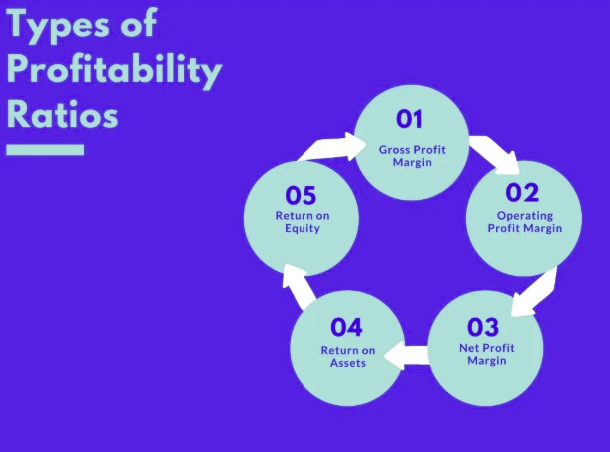
Profitability ratios evaluate a company’s ability to generate profit relative to its revenue, balance sheet assets, or equity. These financial ratios provide insights into operational efficiency, financial performance, and overall business health. They are important for investors and analysts conducting financial analysis to identify opportunities or assess risks.

This article covers the common types of profitability ratios, their formulas, and their applications, helping you use these tools effectively in your investment decisions.

Common Types of Profitability Ratios and Their Formulas

Profitability ratios help you assess how well a company manages operating costs (such as rent), direct costs (for example, raw materials), and indirect costs (such as administrative salaries) to produce revenue. Below are the common profitability ratios, their formulas, and their practical uses.

Gross Profit Margin

The gross profit margin measures the percentage of sales revenue remaining after deducting the cost of goods sold (COGS), which includes production costs such as raw materials and labor.

Formula:

Gross Profit Margin (%)= (Revenue−COGS/Revenue)×100

Use Case: This ratio shows how efficiently a company converts its production costs into profits. Comparing the gross profit margin to industry standards helps you assess competitiveness and spot potential issues with pricing strategies or cost control.

Net Profit Margin

The net profit margin reveals the percentage of profit a company retains from its sales revenue after accounting for all operating expenses, interest, and taxes.

Formula:

Net Profit Margin (%)=(Net Income/Revenue)×100 

Use Case: Use this ratio to evaluate a company’s overall profitability. It also helps you understand how well the company manages its operating costs and other expenses to maximize the portion of revenue retained as profit.

Operating Profit Margin

The operating profit margin focuses on profits generated from core business activities before accounting for interest and taxes. It reflects how well a company manages its operating expenses.

Formula:

Operating Profit Margin (%)=(Operating Income/Revenue)×100 

Use Case: This ratio is useful for comparing companies’ operational efficiency, especially when aligning performance with industry benchmarks. A strong operating profit margin can indicate robust management practices and the ability to weather changes in market conditions.

Return on Assets (ROA)

The return on assets (ROA) calculates how effectively a company uses its balance sheet assets to generate profit. It measures overall efficiency in utilizing resources.

Formula:

ROA (%)=(Net Income/Total Assets)×100

Use Case: A higher ROA indicates better asset utilization, making this a valuable metric when comparing companies in the same industry. It also reflects how effectively a company’s leadership manages its balance sheet assets to generate earnings.

Return on Equity (ROE)

The return on equity (ROE) measures a company’s profitability in relation to shareholders’ equity. It shows how effectively a business generates returns for its investors.

Formula:

ROE (%)=(Net Income/Shareholder Equity)×100

Use Case: ROE is a key ratio for assessing financial performance. Investors often use it to identify companies that generate superior returns on equity compared to industry benchmarks, making it a cornerstone of equity valuation and investment analysis.

Uses of Profitability Ratios and Best Practices

Here’s how profitability ratios are commonly used when analyzing a company’s financial statements and making informed decisions:

  • Evaluating Financial Health: Profitability ratios provide a snapshot of a company’s financial stability. For example, metrics like the ROA and ROE reveal how well a business is using its balance sheet assets and shareholder investments to generate earnings.
  • Comparing Companies: By benchmarking a company’s ratios against industry standards and industry benchmarks, you can identify how it performs relative to competitors. For example, a higher operating profit margin compared to industry peers might indicate superior cost management and operational efficiency.
  • Analyzing Cost Management: Profitability ratios help you break down how effectively a company manages operating expenses, direct costs, and indirect costs. Metrics such as the gross profit margin indicate whether the company is optimizing its cost of sales, while the operating profit margin measures how well it controls overhead expenses.
  • Supporting Investment Analysis: Investors rely on profitability ratios to determine whether a company is a sound investment. A consistently high net profit margin or ROE signals that the company efficiently converts sales revenue into profits and delivers strong returns for shareholders.
  • Identifying Trends: Profitability ratios can reveal long-term trends in a company’s financial performance. By analyzing these metrics over multiple reporting periods, you can spot patterns of improvement or decline. For instance, a steadily increasing ROA may suggest better asset utilization, while a declining gross profit margin might point to rising production costs or pricing pressures.

Best Practices:

  • Combine profitability ratios with liquidity ratios like the current ratio and quick ratio for a more well-rounded evaluation of a company’s financial health, particularly when assessing the sustainability of operating income.
  • Compare ratios over multiple periods to spot trends so that your analysis accounts for seasonal or cyclical variations.
  • Use profitability ratios alongside metrics like cash flow and the efficiency ratio for a comprehensive assessment.

Limitations of Profitability Ratios

Although profitability ratios are essential tools for financial analysis, they have limitations:

  • Industry Variations: Profitability ratios can vary significantly across industries, making cross-industry comparisons less meaningful.
  • Exclusion of Qualitative Factors: Ratios don’t account for factors like market conditions, competitive positioning, or management quality.
  • Potential Data Manipulation: Understand that accounting methods or one-time adjustments can influence profitability ratios. Scrutinize the income statement and financial statements to identify any unusual items that may distort the ratios.
  • Historical Data: Profitability ratios rely on past performance and may not reflect future outcomes.
  • Limited Scope of Financial Insight: Profitability ratios primarily focus on profit generation and do not provide insights into liquidity, solvency, or cash flow stability.
  • Impact of Economic Conditions: External factors, such as inflation, currency fluctuations, or changes in consumer demand, can distort profitability ratios, making it challenging to assess a company’s true financial performance in isolation.

Best Practices:

  • Combine profitability ratios with other financial metrics like the current ratio, quick ratio, and cash flow for a more well-rounded evaluation of a company’s financial health.
  • Contextualize profitability ratios by comparing them to industry standards and benchmarks to make sure your analysis aligns with sector-specific norms.
  • Examine profitability ratios over several reporting periods to identify trends and account for seasonal or temporary fluctuations in financial performance.

Mastering Profitability Ratios for Better Decision-Making

Mastering profitability ratios empowers you to make informed investment decisions. By understanding how to calculate and interpret these key ratios, you can identify companies that manage operating costs, generate consistent cash flow, and maintain strong financial statements. However, always account for the broader context, including debt obligations and industry-specific factors.

At Above the Green Line, we provide tools and insights to help investors optimize their strategies. Whether you’re analyzing a company’s profit margin ratio or assessing its compliance with industry standards, our resources can guide you. Take the next step in enhancing your investment decisions by exploring our membership options.

Related Articles

Return on Assets

How To Calculate Return on Assets (ROA): Formula and Calculation Examples

Return on Assets (ROA) is a financial metric that provides valuable insight into operational efficiency and management effectiveness. By understanding ...
Read More
Profitability Ratios

What Are Profitability Ratios? | Types and Formulas

Profitability ratios evaluate a company’s ability to generate profit relative to its revenue, balance sheet assets, or equity. These financial ...
Read More
Investment Turnover Ratio

Understanding Investment Turnover Ratio in Swing Trading

Understanding Investment Turnover Ratio in Swing Trading The turnover ratio is a critical yet often overlooked metric when evaluating investment ...
Read More
Investment Performance

How to Evaluate an Investment Strategy Like Swing Trading?

Investors have a plethora of strategies to choose from when navigating the financial markets. Swing trading, characterized by its short- ...
Read More
Backtesting Strategies

Backtesting: Definition and How a Trading Strategy Backtest Works

For traders seeking to validate their market strategies, historical performance data provides the most reliable indicator of future success. Backtesting ...
Read More
  • Previous
  • 1
  • 2
  • 3
  • 4
  • 5
  • …
  • 13
  • Next
Loading...

November 27, 2024

Understanding Investment Turnover Ratio in Swing Trading

Investment Turnover Ratio

By ATGL

Updated November 27, 2024

Understanding Investment Turnover Ratio in Swing Trading

The turnover ratio is a critical yet often overlooked metric when evaluating investment strategies, especially swing trading. Defined as the measure of how frequently assets in a portfolio are traded, the turnover ratio is particularly relevant to swing traders due to the active nature of their approach. By analyzing the turnover ratio, traders can gain insights into the costs, risks, and benefits of their strategy and optimize their portfolios for better performance.

This article explores the turnover ratio’s role in swing trading, its impact on stock performance, volatility, risks, and the pros and cons of a high-turnover approach.

I. What is the Investment Turnover Ratio?

The investment turnover ratio quantifies the rate at which a portfolio’s assets are traded over a specific period. It is typically expressed as a percentage and calculated using the following formula:


Turnover Ratio=Total Purchases or SalesAverage Portfolio Value×100\text{Turnover Ratio} = \frac{\text{Total Purchases or Sales}}{\text{Average Portfolio Value}} \times 100

Turnover Ratio=Average Portfolio ValueTotal Purchases or Sales​×100

  • High Turnover Ratio: Indicates frequent trading activity, typical of active strategies like swing trading.
  • Low Turnover Ratio: Suggests minimal trading, aligning with passive strategies like Buy and Hold.

For comparison, the turnover ratio for a passive index fund tracking the S&P 500 is usually below 5% annually, while an active swing trading portfolio can exceed 100%.

II. Turnover Ratio in Swing Trading

Swing trading relies on capturing short- to medium-term price movements, requiring frequent buying and selling of securities. This high level of activity naturally results in a high turnover ratio. While this aligns with swing trading’s goal of leveraging short-term opportunities, it also introduces unique challenges, such as increased costs and risks.

Key Features of Swing Trading Turnover

  • Frequency: Swing traders often enter and exit trades multiple times a week.
  • Volume: Turnover is driven by the rapid cycling of capital between trades.
  • Focus: Strategies often target volatile stocks with potential for quick price swings.

III. Impact of Turnover Ratio on Stock Performance

The turnover ratio, which measures the frequency with which assets in a portfolio are bought and sold, plays a significant role in shaping the overall performance of swing trading strategies. High turnover can have both positive and negative effects, depending on how effectively it is managed. Understanding these impacts is essential for traders seeking to optimize their strategies.

Positive Impacts:

Maximizing Opportunities:
High turnover enables swing traders to actively capitalize on short-term price fluctuations, which are often the hallmark of volatile markets. By frequently buying and selling stocks, traders can quickly take advantage of short-term trends, momentum shifts, and price inefficiencies that may not be available to long-term investors. This ability to rapidly adjust positions based on market conditions can lead to increased profit potential, especially during periods of high market volatility. By staying nimble, swing traders can capture gains from both rising and falling prices, leveraging the dynamic nature of the market to their advantage.

Market Adaptability:
The high turnover associated with swing trading allows traders to maintain flexibility and adapt their portfolios in real-time to changing market conditions. Unlike long-term buy-and-hold investors, swing traders can quickly align their holdings with the latest market trends, economic data, or news events. This adaptability is key to managing risk and optimizing returns, as portfolios can be rebalanced frequently to avoid exposure to underperforming stocks or sectors. By adjusting positions in response to new information, swing traders can improve the overall resilience of their portfolios in the face of market uncertainty.

Negative Impacts:

Cost Erosion:
One of the primary drawbacks of high turnover is the potential for cost erosion, even with commission-free platforms. While many brokers now offer zero-commission trades, other hidden costs, such as slippage (the difference between expected and actual trade execution prices) and bid-ask spreads (the difference between the buying and selling price of a stock), can accumulate over time. Slippage can be especially problematic in volatile markets, where rapid price changes may prevent trades from being executed at optimal prices. These costs can chip away at a trader’s profits, particularly when multiple trades are executed over a short period. Additionally, high turnover can result in taxes on short-term capital gains, as frequent trades often trigger taxes on profits earned from assets held for less than a year. Short-term capital gains are taxed at a higher rate than long-term gains, reducing the trader’s net profits and increasing the tax burden.

Market Timing Risks:
Frequent trades also expose swing traders to the risks of poor market timing. Since high turnover involves making decisions based on short-term price movements, traders are more likely to be caught in sudden market fluctuations or errors in judgment. Even experienced traders can make mistakes when attempting to time the market, and these mistakes can lead to significant losses. For example, a trader might sell a stock too early, missing out on a subsequent rally, or they might buy into a stock right before a sharp downturn. This increased exposure to timing errors is a critical downside of high turnover, as it amplifies the chances of losses due to miscalculations or unexpected market events.

High turnover can provide swing traders with the ability to maximize opportunities and stay adaptable to changing market conditions, it also comes with significant risks. Transaction costs, tax implications, and the potential for market timing errors can all erode profits if not carefully managed. Traders must weigh the benefits of high turnover against these drawbacks and implement strategies to mitigate costs and reduce the likelihood of errors, ensuring that turnover works in their favor rather than against them.

IV. Turnover and Volatility

Swing trading thrives on volatility, as it creates opportunities for profit from price fluctuations. However, a high turnover ratio often amplifies exposure to market risks.

Key Considerations:

  • Stock Selection: Swing traders typically focus on high-volatility stocks to maximize returns.
  • Standard Deviation: The standard deviation of returns in swing trading portfolios often exceeds that of passive S&P 500 strategies, which average between 15% and 20% annually.
  • Risk Management: Proper diversification and position sizing are critical to mitigate risks associated with increased turnover.

V. Risks of High Turnover in Swing Trading

While high turnover in swing trading offers the potential for frequent gains, it also introduces several risks that can significantly erode returns and place emotional strain on traders. These risks are important to understand, as they can undermine the benefits of an otherwise well-constructed strategy.

Transaction Costs:
Although the rise of commission-free trading platforms has significantly reduced costs for traders, high turnover still incurs various hidden expenses that can impact profitability. One of the most notable costs is slippage, the difference between the expected price of a trade and the actual price at which it is executed. Slippage can occur in fast-moving markets, leading to worse execution prices and ultimately reducing potential profits. Even when commissions are low or nonexistent, these hidden costs can accumulate quickly for high-turnover strategies, especially in volatile markets where prices fluctuate rapidly.

Tax Implications:
Swing traders often engage in short-term trades, which are subject to higher ordinary income tax rates rather than the more favorable long-term capital gains tax rates applied to investments held for over a year. This tax disadvantage can eat into returns, particularly for traders who execute many trades within a short time frame. The frequent buying and selling of positions means that taxes on capital gains will be triggered more often, and without careful tax planning, traders may end up paying a significant portion of their profits in taxes, further diminishing their net gains.

Emotional Stress:
The fast-paced nature of high-turnover swing trading can take a psychological toll on traders. The need to make frequent decisions about buying and selling positions often leads to overtrading—a common pitfall where traders execute excessive trades driven by fear or greed, rather than adhering to a well-considered strategy. Overtrading can result in poor decision-making, as emotional impulses often cloud judgment and lead to reactive rather than proactive trading. This cycle of stress and overtrading can create a negative feedback loop, which increases the emotional toll on traders and can ultimately reduce the effectiveness of their strategy.

Market Risks:
High-turnover strategies are also vulnerable to market risks that can disproportionately impact portfolios with frequent trades. Unexpected market events—such as sudden economic data releases, geopolitical developments, or news about corporate earnings—can cause sharp, unpredictable price movements. These movements may disrupt carefully planned trades, causing high-turnover portfolios to experience significant losses. Unlike long-term investors who may be able to ride out market turbulence, swing traders may find themselves forced to make quick decisions that could lead to unfavorable outcomes in response to sudden shifts in the market.

In summary, while high turnover in swing trading can offer potential rewards, it comes with inherent risks. From transaction costs and tax implications to emotional stress and market volatility, these factors must be carefully managed to avoid undermining the overall effectiveness of the strategy. Traders must remain disciplined, have a clear risk management plan, and consider these risks as they seek to optimize their trading activity.

VI. Pros and Cons of High Turnover in Swing Trading

Pros:

  1. Potential for Higher Returns:
    • Swing trading can outperform passive strategies in volatile markets by capturing short-term trends.
  2. Flexibility:
    • The ability to quickly exit positions reduces exposure to prolonged market downturns.
  3. Adaptability:
    • High turnover enables realignment of the portfolio with prevailing market conditions.

Cons:

  1. Cost Erosion:
    • Frequent trades increase transaction fees and tax liabilities, reducing net returns.
  2. Emotional Burden:
    • The constant need for monitoring and decision-making can lead to fatigue and mistakes.
  3. Greater Time Commitment:
    • Unlike Buy and Hold, swing trading requires active involvement, making it less suitable for passive investors.

VII. Strategies to Manage Turnover Ratio Effectively

High turnover in swing trading doesn’t automatically equate to inefficiency; in fact, with the right strategies, it can enhance performance while minimizing negative impacts. Swing traders can take several steps to optimize their trading activity and manage turnover effectively, ensuring a balance between profit potential and risk management.

First, prioritizing high-probability trades is crucial. Focus on setups that offer a clear edge, such as trades aligned with technical indicators like support and resistance levels or breakout patterns. This helps ensure that each trade has a solid foundation, reducing unnecessary trades that may lead to lower performance. By being selective about the trades entered, traders can optimize their turnover ratio and enhance the likelihood of profitability.

Second, using cost-effective platforms can significantly reduce transaction costs, which can eat into profits, especially for high-turnover strategies. Commission-free brokers are an excellent choice, as they allow traders to execute more trades without the burden of high fees. Additionally, seeking platforms with low bid-ask spreads is essential, as narrower spreads minimize the cost of entering and exiting positions.

Automating trade execution is another powerful strategy. By utilizing trading algorithms or setting up trade alerts, traders can remove emotional biases from their decision-making process, which often leads to overtrading or impulsive moves. Automated systems also allow for faster reactions to market conditions, ensuring trades are executed at optimal points without delay.

Monitoring tax implications is vital for long-term profitability, especially since swing traders often face short-term capital gains taxes due to their frequent trading. By trading within tax-advantaged accounts, such as IRAs or other retirement accounts, traders can defer taxes or avoid them entirely, preserving more of their gains. This can be a key factor in enhancing the overall return from a swing trading strategy.

Finally, diversifying the portfolio can help mitigate the risks associated with high turnover. Rather than concentrating capital in a few high-turnover positions, spreading investments across multiple trades reduces the risk of significant losses from any single position. A diversified portfolio helps smooth out volatility, providing a more stable overall performance despite frequent trades.

By following these strategies, swing traders can effectively manage turnover and optimize their trading activity, ensuring that their approach remains efficient and aligned with their performance goals.

VIII. Turnover Ratio Comparison: Swing Trading vs. Buy and Hold

As shown in the comparison table, swing trading typically has a turnover ratio greater than 100%, reflecting its frequent trading activity, while Buy and Hold strategies have a turnover ratio of less than 5%, indicating minimal trading. This difference highlights the higher transaction costs and potential for volatility in swing trading, while Buy and Hold benefits from lower fees and a more stable, long-term approach to investing.

Metric Swing Trading Buy and Hold (S&P 500)
Turnover Ratio >100% <5%
Transaction Costs High Low
Tax Implications Short-term capital gains Long-term capital gains
Volatility Sensitivity High Moderate
Time Commitment Active monitoring required Minimal
Historical Returns Variable, market-dependent ~10% annually (long-term average)

IX. Balancing Turnover for Success with Above the Green Line

The investment turnover ratio is a pivotal metric in swing trading, reflecting the strategy’s active nature and its impact on costs, risks, and returns. While high turnover can enable traders to capture short-term opportunities, it also amplifies transaction costs, volatility, and emotional stress.

Swing traders must weigh the pros and cons of high turnover, using strategies like prioritizing high-probability trades, automating decision-making, and minimizing costs to maximize their net returns. For those who can manage the demands of frequent trading, swing trading offers a dynamic and potentially lucrative alternative to passive approaches like Buy and Hold.

Ultimately, understanding and managing the turnover ratio is essential for swing traders aiming to optimize their strategy while balancing performance, risks, and time commitment. Join Above the Green Line and learn more about turnover ratio.

Related Articles

Return on Assets

How To Calculate Return on Assets (ROA): Formula and Calculation Examples

Return on Assets (ROA) is a financial metric that provides valuable insight into operational efficiency and management effectiveness. By understanding ...
Read More
Profitability Ratios

What Are Profitability Ratios? | Types and Formulas

Profitability ratios evaluate a company’s ability to generate profit relative to its revenue, balance sheet assets, or equity. These financial ...
Read More
Investment Turnover Ratio

Understanding Investment Turnover Ratio in Swing Trading

Understanding Investment Turnover Ratio in Swing Trading The turnover ratio is a critical yet often overlooked metric when evaluating investment ...
Read More
Investment Performance

How to Evaluate an Investment Strategy Like Swing Trading?

Investors have a plethora of strategies to choose from when navigating the financial markets. Swing trading, characterized by its short- ...
Read More
Backtesting Strategies

Backtesting: Definition and How a Trading Strategy Backtest Works

For traders seeking to validate their market strategies, historical performance data provides the most reliable indicator of future success. Backtesting ...
Read More
  • Previous
  • 1
  • 2
  • 3
  • 4
  • 5
  • …
  • 13
  • Next
Loading...

November 27, 2024

How to Evaluate an Investment Strategy Like Swing Trading?

Investment Performance

By ATGL

Updated November 27, 2024

Investors have a plethora of strategies to choose from when navigating the financial markets. Swing trading, characterized by its short- to medium-term approach, is one such strategy aimed at capturing price movements over several days or weeks. But how does one evaluate whether swing trading is a viable and superior option compared to traditional approaches like Buy and Hold with the S&P 500? This article provides a comprehensive framework for assessing swing trading using key financial metrics like volatility, Sharpe ratio, turnover ratio, drawdown, and standard deviation.

Understanding Swing Trading

Swing trading relies on technical analysis and market momentum to capitalize on price swings within a defined time frame. Unlike long-term strategies, it requires active management and frequent monitoring of market trends. Traders often use tools like moving averages, the Relative Strength Index (RSI), and volume analysis to make decisions.

While swing trading seeks to maximize gains in trending or volatile markets, its short-term nature sets it apart from Buy and Hold, which focuses on accumulating wealth steadily over time. The benchmark strategy, often represented by investing in the S&P 500, is known for its simplicity and lower turnover ratio, making it ideal for long-term investors.

Criteria for Evaluating Swing Trading

To assess whether swing trading aligns with your financial goals, consider the following criteria:

1. Risk-Reward Ratio

Swing trading’s success hinges on achieving a favorable risk-reward ratio, typically aiming for a higher potential gain than the risk assumed per trade. In contrast, the Buy and Hold approach with the S&P 500 carries inherent market risk but benefits from historical upward trends over decades.

Key Metrics:

  • Sharpe Ratio: Measures risk-adjusted returns. A higher Sharpe ratio indicates that a strategy offers better returns per unit of risk. Swing trading strategies often target a Sharpe ratio above 1.5, whereas the S&P 500 historically hovers around 1.0.
  • Drawdown: Swing trading may have frequent small drawdowns due to tighter stop-losses, while the S&P 500 may experience infrequent but significant drawdowns during market crashes (e.g., 2008 or 2020).

2. Volatility and Standard Deviation

Swing traders thrive on volatility, as price fluctuations create profit opportunities. However, higher volatility also means increased risk. The S&P 500’s standard deviation, which typically ranges between 15% and 20% annually, serves as a baseline. Swing trading strategies may exceed this, depending on the assets traded.

Considerations:

  • Evaluate whether you can tolerate the higher volatility of swing trading compared to the steadier returns of Buy and Hold.
  • Use historical data to calculate the standard deviation of returns for your swing trading system.

3. Turnover Ratio

Swing trading involves frequent buying and selling, leading to a high turnover ratio. This can result in increased transaction costs and tax liabilities. In contrast, the Buy and Hold strategy minimizes turnover, reducing these expenses.

Benchmark:

  • S&P 500 Turnover: Less than 5% annually for passive index funds.
  • Swing Trading Turnover: Can exceed 100% annually due to frequent position changes.

4. Historical Performance

Backtesting swing trading strategies against historical data is essential to gauge their reliability. Compare the strategy’s annualized returns to those of the S&P 500, which has averaged approximately 10% annually over the long term.

Key Insights:

  • Assess whether the strategy consistently outperforms the S&P 500, especially after accounting for fees and taxes.
  • Ensure the strategy’s win rate (percentage of profitable trades) aligns with your financial goals.

5. Time Commitment

Swing trading demands active engagement, including monitoring charts, analyzing data, and executing trades. The S&P 500’s Buy and Hold approach, on the other hand, requires minimal time investment, making it ideal for passive investors.

Tools and Resources for Evaluation

Evaluating swing trading requires reliable tools and resources, including:

  • Technical Analysis Software: Tools like TradingView or MetaTrader offer advanced charting features and backtesting capabilities.
  • Market Data Services: Platforms like Bloomberg or Yahoo Finance provide access to historical data for performance analysis.
  • Trading Journals: Maintaining a record of trades helps identify patterns and refine strategies.
  • Communities and Mentorship: Engaging with experienced traders through forums or mentorship programs can provide valuable insights.

Key Questions to Ask Yourself

Before adopting swing trading, ask:

  1. Does swing trading align with my financial goals and risk tolerance?
  2. Am I comfortable with the strategy’s higher turnover and tax implications compared to the S&P 500?
  3. Do I have the time and discipline to monitor markets and execute trades effectively?
  4. Can I manage the emotional stress of frequent decision-making and potential losses?

Risks and Challenges of Swing Trading

Swing trading poses unique risks that must be managed:

  • Overtrading: Frequent trades can lead to excessive fees and reduced net profits.
  • Emotional Decision-Making: Reacting to market noise can derail a strategy.
  • Market Risks: Unexpected news or events can lead to sharp price movements, causing losses.

Mitigating these challenges requires strict adherence to risk management rules, including setting stop-loss orders and diversifying trades.

Comparison with Buy and Hold

Advantages of Swing Trading:

  • Potentially higher returns in volatile markets.
  • Opportunities for quick profits from short-term trends.
  • Flexibility to exit positions during market downturns.

Advantages of Buy and Hold:

  • Lower costs due to minimal turnover.
  • Tax efficiency, especially with long-term capital gains rates.
  • Historically reliable returns from the S&P 500 over the long term.

Tips for Beginners

If you’re new to swing trading:

  1. Start Small: Begin with a demo account or a small portion of your capital to minimize risk.
  2. Master the Basics: Focus on a few reliable setups, such as breakout or pullback strategies.
  3. Leverage Technology: Use automated alerts and trading tools to streamline decision-making.
  4. Educate Yourself: Continuously learn about market trends and improve your skills.

Leverage Above the Green Line to Elevate your Trading

Evaluating an investment strategy like swing trading requires a comprehensive understanding of its risks, rewards, and demands. Metrics such as volatility, Sharpe ratio, turnover ratio, and drawdown provide valuable insights into its viability. While swing trading offers the potential for higher returns, it also demands greater time, skill, and emotional resilience compared to the passive Buy and Hold approach with the S&P 500.

Ultimately, the best strategy is one that aligns with your financial goals, risk tolerance, and lifestyle. Whether you choose swing trading or stick with the S&P 500, a disciplined and informed approach is key to long-term success. Join Above the Green Line today and let us help you elevate your investing.

Related Articles

Return on Assets

How To Calculate Return on Assets (ROA): Formula and Calculation Examples

Return on Assets (ROA) is a financial metric that provides valuable insight into operational efficiency and management effectiveness. By understanding ...
Read More
Profitability Ratios

What Are Profitability Ratios? | Types and Formulas

Profitability ratios evaluate a company’s ability to generate profit relative to its revenue, balance sheet assets, or equity. These financial ...
Read More
Investment Turnover Ratio

Understanding Investment Turnover Ratio in Swing Trading

Understanding Investment Turnover Ratio in Swing Trading The turnover ratio is a critical yet often overlooked metric when evaluating investment ...
Read More
Investment Performance

How to Evaluate an Investment Strategy Like Swing Trading?

Investors have a plethora of strategies to choose from when navigating the financial markets. Swing trading, characterized by its short- ...
Read More
Backtesting Strategies

Backtesting: Definition and How a Trading Strategy Backtest Works

For traders seeking to validate their market strategies, historical performance data provides the most reliable indicator of future success. Backtesting ...
Read More
  • Previous
  • 1
  • 2
  • 3
  • 4
  • 5
  • …
  • 13
  • Next
Loading...

November 21, 2024

Backtesting: Definition and How a Trading Strategy Backtest Works

Backtesting Strategies

By ATGL

Updated November 21, 2024

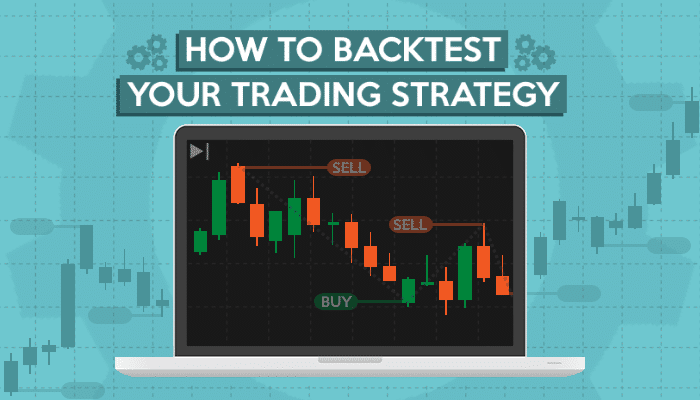
For traders seeking to validate their market strategies, historical performance data provides the most reliable indicator of future success. Backtesting simulates how trading strategies would have performed using historical market data. This quantitative method lets you evaluate your strategies’ effectiveness before risking real capital.

You can use backtesting to measure potential returns, analyze risks, and refine your trading approaches based on actual market conditions rather than assumptions.

What Is Backtesting in Trading and Why Is It Important?

A backtest applies specific trading rules to historical market data to measure a strategy’s effectiveness. This analysis reveals how well strategies perform during different market conditions, from bull markets to corrections, helping you identify potential weaknesses before implementation.

Through detailed testing, you can quantify risk metrics, evaluate position sizing rules, and determine optimal entry and exit points. This systematic evaluation eliminates emotional bias from the trading process and creates a framework for improving strategies based on data rather than intuition.

The most successful traders use backtesting to analyze multiple aspects of their strategies:

  • Performance Metrics: Beyond basic profit and loss calculations, backtesting measures risk-adjusted returns through metrics like the Sharpe ratio, Sortino ratio, and maximum drawdown. These statistics help you understand how much you might earn and how much risk you must accept to achieve those returns.
  • Risk Management: Testing reveals maximum portfolio drawdowns, position-level losses, and correlation among trades. This data helps you set appropriate position sizes and portfolio-level risk limits. For example, a strategy showing 30% drawdowns in testing might require smaller position sizes or additional risk controls before live trading.
  • Market Conditions: Professional traders test their strategies across different volatility regimes, trend conditions, and economic cycles. A strategy might perform well in trending markets but fail during sideways or volatile conditions.

How the Backtesting Process Works: Key Steps

1. Gathering Historical Market Data

Quality historical data determines the accuracy of backtesting results. Use comprehensive datasets that include price information, trading volumes, bid-ask spreads, and market indicators. This data must account for corporate actions like stock splits, dividends, and mergers to create realistic testing conditions.

The data selection process depends on specific strategy requirements. High-frequency trading strategies need tick-level data, while longer-term approaches might use daily or weekly data points. Matching data granularity to the trading timeframe produces more accurate results.

Data quality considerations include:

  • Price Accuracy: Historical data should include accurate high, low, open, and close prices. For intraday strategies, tick-by-tick data provides the most realistic testing environment.
  • Volume Information: Trading volume helps validate price movements and assess liquidity constraints. Volume data becomes particularly important when testing strategies that depend on liquidity or market participation levels.
  • Adjusted Prices: Historical data must properly adjust for stock splits, dividends, and other corporate actions. Unadjusted data can create misleading backtesting results, particularly for longer-term strategies.
  • Market Breadth: Complete market data should include all securities available during the testing period, not just currently listed stocks. This prevents survivorship bias from artificially inflating strategy performance.

2. Defining the Trading Strategy and Coding a Backtest Simulation

Coding a trading strategy requires translating trading concepts into exact rules. Specify precise conditions for market entry and exit, position sizing parameters, and risk management criteria. This process often reveals where trading rules need clarification.

Key elements of strategy definition include:

  • Entry Rules: Specific conditions that trigger new positions. These might include technical indicators, fundamental metrics, or market conditions. Entry rules should be precise and testable.
  • Exit Rules: Conditions for closing positions, including both profit targets and stop losses. Exit rules often prove more important than entries for overall strategy performance.
  • Position Sizing: Rules for determining trade size based on account equity, risk levels, and market conditions. Position sizing significantly impacts strategy performance and risk management.
  • Risk Controls: Parameters for managing portfolio-level risk, including maximum position sizes, sector exposure limits, and correlation constraints.

3. Running the Backtest

During execution, the backtest processes historical data chronologically to generate performance records. This phase must account for practical trading elements like transaction costs, market impact, position sizing limits, and portfolio rebalancing requirements.

Critical considerations during backtesting execution:

  • Transaction Costs: Include realistic commission rates, slippage estimates, and market impact costs. These friction costs significantly affect strategy profitability, particularly for high-frequency approaches.
  • Execution Timing: Account for realistic trade execution delays and price slippage. Assuming perfect execution at historical prices can produce unrealistic results.
  • Portfolio Constraints: Apply real-world position limits, margin requirements, and portfolio diversification rules. These constraints often reduce strategy performance compared to idealized backtests.

4. Analyzing the Results

Performance analysis focuses on specific metrics that reveal strategy viability. The Sharpe ratio measures risk-adjusted returns, while maximum drawdown figures show potential losses. Win rates, profit factors, and recovery periods indicate how consistently a strategy performs.

Key performance metrics to analyze:

Return Metrics:

  • Annualized return
  • Risk-adjusted return ratios (Sharpe, Sortino, Information ratio)
  • Monthly and yearly return distribution
  • Rolling returns across different time periods

Risk Metrics:

  • Maximum drawdown and drawdown duration
  • Value at Risk (VaR) calculations
  • Standard deviation of returns
  • Downside deviation

Trading Metrics:

  • Win rate and average win/loss ratio
  • Profit factor
  • Maximum consecutive losses
  • Average holding period
  • Portfolio turnover

Limitations and Pitfalls of Portfolio Backtesting

Backtesting has important limitations, and understanding them avoids costly mistakes. Survivorship bias poses a significant challenge when historical data excludes delisted or failed companies, creating an overly optimistic view of strategy performance. Similarly, look-ahead bias emerges when backtesting accidentally incorporates information that wouldn’t have been available during actual trading, such as delayed earnings reports or corporate actions.

Data mining bias frequently undermines strategy development. While finding optimal parameters might produce perfect historical results, such strategies often fail in live trading because they’ve been fitted to specific market conditions rather than underlying market dynamics. Additionally, many traders make oversimplified assumptions about execution speeds, commission rates, and market impact costs, making strategies appear more profitable than they would be in actual trading.

Market structure evolution represents another critical limitation. As trading technologies advance, regulations change, and market participants adapt their behaviors, historical relationships that strategies rely upon may no longer hold true. The rise of algorithmic trading, for example, has fundamentally changed market microstructure and price formation processes, potentially invalidating conclusions drawn from earlier periods.

Refining Strategies Through Portfolio Backtests

Successful strategy development requires rigorous testing across multiple market conditions. Walk-forward analysis validates strategies by testing them on subsequent data periods, revealing whether performance holds up beyond the initial test period. Monte Carlo simulations further strengthen this approach by randomizing market sequences to measure strategy adaptability. Testing parameter sensitivity also helps you identify truly robust strategies that perform consistently across different settings instead of those that only work with precise optimization.

Above the Green Line’s algorithmic trading strategies include professional backtesting tools that help you develop reliable trading systems. For traders seeking advanced backtesting capabilities and expert guidance, an Above the Green Line membership provides comprehensive analytical tools and educational resources.


Related Articles

Return on Assets

How To Calculate Return on Assets (ROA): Formula and Calculation Examples

Return on Assets (ROA) is a financial metric that provides valuable insight into operational efficiency and management effectiveness. By understanding ...
Read More
Profitability Ratios

What Are Profitability Ratios? | Types and Formulas

Profitability ratios evaluate a company’s ability to generate profit relative to its revenue, balance sheet assets, or equity. These financial ...
Read More
Investment Turnover Ratio

Understanding Investment Turnover Ratio in Swing Trading

Understanding Investment Turnover Ratio in Swing Trading The turnover ratio is a critical yet often overlooked metric when evaluating investment ...
Read More
Investment Performance

How to Evaluate an Investment Strategy Like Swing Trading?

Investors have a plethora of strategies to choose from when navigating the financial markets. Swing trading, characterized by its short- ...
Read More
Backtesting Strategies

Backtesting: Definition and How a Trading Strategy Backtest Works

For traders seeking to validate their market strategies, historical performance data provides the most reliable indicator of future success. Backtesting ...
Read More
  • Previous
  • 1
  • 2
  • 3
  • 4
  • 5
  • …
  • 13
  • Next
Loading...
  • « Previous Page
  • 1
  • 2
  • 3
  • 4
  • 5
  • …
  • 13
  • Next Page »

Subscribe to Our Newsletter

AGL Logo

Get our eBook Now!

Candlestick - A Swing Traders Friend

We don’t spam! Read our privacy policy for more info.

Check your inbox or spam folder to confirm your subscription.

Voted #1 at Stock Charts

SH Chart
Inverse S&P 500 Fund (SH) will have a Money Wave Buy today.

Help Us Help Animals

Help Us Help Animals

Recent Comments

  • AbovetheGreenLine on Green Line Weekly Aug 27, 2023
  • lbrodt on Green Line Weekly Aug 27, 2023
  • Mitch Van Zelfden on Money Wave Alert! Jul 31, 2023
  • AbovetheGreenLine on Money Wave Alert! Jul 31, 2023
  • Mitch Van Zelfden on Money Wave Alert! Jul 31, 2023

Become a Green Liner!

Help me make more Money in the Stock Market.

Investing with Rules.

On ATGL

  • DashBoard
  • Weekly Commentary
  • Daily Buy / Sell Signals
  • Day Trade Setup
  • Trading Rooms

Strategies

  • Swing Trading
  • ATGL Pick of the Week
  • Dividend Growth
  • ETF Sector Rotation
  • Dogs of the Dow

Help

  • ATGL Trading Rules
  • FAQ
  • Account Maintenance
  • Contact US
  • Join

Stay Updated

No credit card required. Unsubscribe anytime

Check your inbox or spam folder to confirm your subscription.

© 2024 Above The Green Line. All rights reserved.

  • Twitter
  • LinkedIn
  • YouTube