By ATGL
Updated October 22, 2024
[ez-toc]
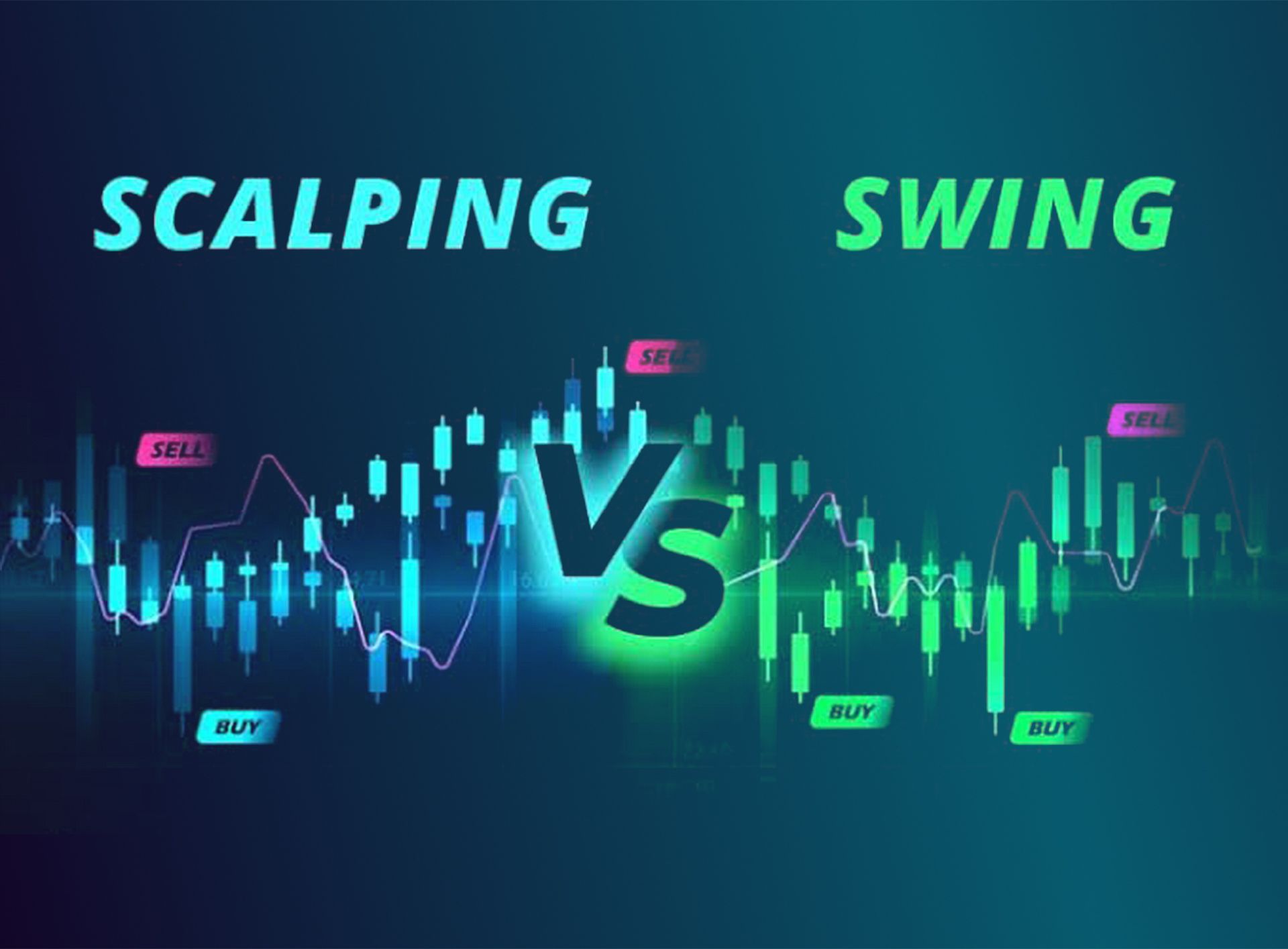
At the intersection of speed and patience in financial markets lie two prominent trading strategies: scalping, with its lightning-fast executions, and swing trading, with its more deliberate approach. While both aim to profit from market fluctuations, they differ significantly in their execution and underlying principles. This article looks into the key differences between scalping and swing trading, helping you determine which strategy aligns best with your trading goals and style.
What Is Scalping?
Scalping is a high-frequency trading strategy that involves making numerous trades within extremely short time frames, typically seconds to minutes. Scalpers aim to profit from small price movements, often entering and exiting positions rapidly to accumulate many small gains throughout a trading session.
This approach requires intense focus and quick decision-making skills. Scalpers must be proficient at reading real-time market data and charts, as they often rely on technical analysis to identify short-term trading opportunities. The goal is to capitalize on minor price discrepancies before they disappear. If you’re interested in this approach, exploring various scalping trading strategies can provide valuable insights into this fast-paced trading style.
What Is Swing Trading?
Swing trading strategies involve holding positions for several days to weeks, aiming to profit from “swings” in asset prices. Swing traders attempt to capture larger price movements than scalpers, but their trades are typically shorter than those of long-term investors.
This strategy requires a broader market perspective and often incorporates both technical and fundamental analysis. Swing traders look for trends and potential reversals, using various indicators and chart patterns to inform their decisions. Mastering swing trading involves understanding essential order types and developing a keen sense of market trends.
Swing Trading vs. Scalping: A Full Comparison
Time Frame and Commitment
The most immediate and striking difference between scalping and swing trading lies in their respective time horizons and the level of engagement they demand from traders.
Scalping Requires Constant Attention
Scalpers operate in a high-pressure environment, making split-second decisions throughout the trading day. This approach demands unwavering concentration and the ability to react swiftly to market changes. Scalpers must be available during specific market hours and cannot afford to take their eyes off the screen for long.
Swing Trading Allows for More Flexibility
Swing traders, on the other hand, have more flexibility in their trading schedule. While they need to monitor their positions regularly, they don’t require the same level of constant vigilance as scalpers. This makes swing trading more accessible for those who cannot commit to full-time trading or prefer a less intense approach.
Risk Management Techniques
Effective risk management is crucial in trading, and the approaches used in scalping and swing trading differ significantly due to their contrasting time frames and trade frequencies.
Scalping Risk Management Strategies
Due to the high frequency of trades, scalpers face significant risks from transaction costs and potential losses. Effective risk management for scalpers often involves:
- Setting strict stop-loss orders
- Implementing high win-rate strategies
- Carefully managing position sizes
- Using advanced order types to automate exits
Swing Trading Risk Management Approaches
Swing traders typically face different risks, including overnight and weekend gap risks. Their risk management strategies often include:
- Using wider stop-loss orders
- Implementing trailing stops to protect profits
- Diversifying across multiple positions
- Adjusting position sizes based on market volatility
Monitoring and Trading Behaviors
The psychological demands and behavioral patterns required for scalping and swing trading are as different as the strategies themselves, each calling for a unique set of skills and mindset.
Scalpers’ Quick Decision-Making Mindset
Scalpers must develop a mindset that allows for rapid decision-making under pressure. They need to:
- Process large amounts of information quickly
- Act decisively on small price movements
- Maintain emotional control during fast-paced trading sessions
- Continuously adapt to changing market conditions
Swing Traders’ Patience and Analysis
Swing traders adopt a more patient approach, which involves:
- Conducting thorough market analysis before entering trades
- Waiting for optimal entry and exit points
- Managing emotions over longer holding periods
- Balancing technical analysis with fundamental market factors
Profit Scenarios
Understanding the profit potential and patterns in scalping and swing trading helps traders decide which strategy aligns best with their financial goals and risk tolerance.
Potential Earnings in Scalping
Scalpers aim for many small profits throughout the day. Their potential earnings depend on:
- The number of trades executed
- The average profit per trade
- The consistency of their strategy
- Their ability to minimize transaction costs
While scalping can lead to consistent profits, it requires a high level of skill and discipline to overcome the impact of trading fees and potential losses.
Profit Expectations in Swing Trading
Swing traders look for larger price movements, which can result in:
- Fewer but potentially larger profits per trade
- Lower impact of transaction costs on overall profitability
- The ability to capture gains from longer-term market trends
- Opportunities to benefit from overnight price gaps
Swing trading can offer substantial profits, but it also requires patience and the ability to withstand short-term market fluctuations.
Ensure Trading Profitability With Above the Green Line
Whether you lean toward scalping or swing trading, developing a robust strategy is necessary for long-term success. Above the Green Line offers comprehensive tools and resources to help you refine your trading approach. Our memberships provide access to expert insights, advanced analytics, and proven strategies that can enhance your trading performance, regardless of your preferred style.
Scalp Trading vs. Swing Trading FAQs
Is Scalping Better Than Day Trading?
Scalping and day trading are both short-term strategies, but scalping operates on an even shorter time frame. Whether scalping is better depends on individual preferences and skills. Scalping requires more intense focus and rapid decision-making, while day trading allows for slightly longer hold times and potentially fewer trades per day.
Which Type of Trading Is Most Profitable?
Profitability in trading depends on various factors, including the trader’s skill, market conditions, and risk management. Both scalping and swing trading can be profitable when executed effectively. Scalping may offer more frequent but smaller profits, while swing trading can yield larger gains per trade but with less frequency.
Is Scalping Good for Beginners?
Scalping is generally not recommended for beginners due to its fast-paced nature and the high level of experience required. Novice traders may find it challenging to make quick decisions and manage the stress associated with rapid trading. Beginners often benefit from starting with swing trading or longer-term strategies to develop their skills and understanding of market dynamics before considering scalping.

Related Articles
[pt_view id=”9b64b383ox”]