By ATGL
Updated February 23, 2025
[ez-toc]
A bond yield represents the return on investment that a bondholder receives from their fixed-income securities. This metric serves as a fundamental tool for evaluating bond investments and comparing different fixed-income opportunities. When you master bond yields, you gain a significant advantage in portfolio construction and fixed-income market decisions.
Bond Yield Formula and Calculations
The basic bond yield calculation follows this formula:
Current Yield = (Annual Interest Payment / Market Price) × 100
This calculation provides you with a standardized way to measure potential returns. For example, a bond with a face value of $1,000 paying $50 in annual interest has a current yield of 5%. However, if the market price of this bond drops to $900, the current yield increases to 5.56%.
Types of Bond Yields
The fixed-income market employs several distinct yield measurements to evaluate bonds:
- Current Yield: This most basic form calculates the annual interest payment relative to the bond’s current market price. The calculation offers a quick snapshot of a bond’s present income-generating potential.
- Coupon Yield: Also known as nominal yield, this measurement reflects the interest rate established at the bond’s issuance. It represents the annual coupon payment as a percentage of the bond’s face value, regardless of market price.
- Yield to Maturity (YTM): YTM provides the most comprehensive yield measure, accounting for all interest payments plus any difference between purchase price and face value. This calculation assumes investors hold the bond until maturity and reinvest all coupon payments at the same rate.
- Yield to Call: For callable bonds, this measurement calculates potential returns if the issuer redeems the bond before maturity. This yield becomes particularly relevant in declining interest rate environments when early redemption becomes more likely.
Each yield measurement serves specific analytical purposes, allowing you to evaluate bonds under different scenarios and market conditions. Consider analyzing multiple yield metrics often to form a complete picture of a bond’s potential return profile.
Relationship Between Bond Prices and Yields
Bond prices and yields maintain an inverse relationship — when bond prices rise, yields fall, and vice versa. This dynamic responds to market conditions and investor demand. For instance, if interest rates increase, existing bonds become less attractive, causing their prices to fall and yields to rise to compete with newer, higher-rate bonds.
This relationship affects both individual bonds and bond ETFs, making it important to understand these mechanics before deciding between a bond ETF or bonds for your portfolio.
Understanding the Yield Curve
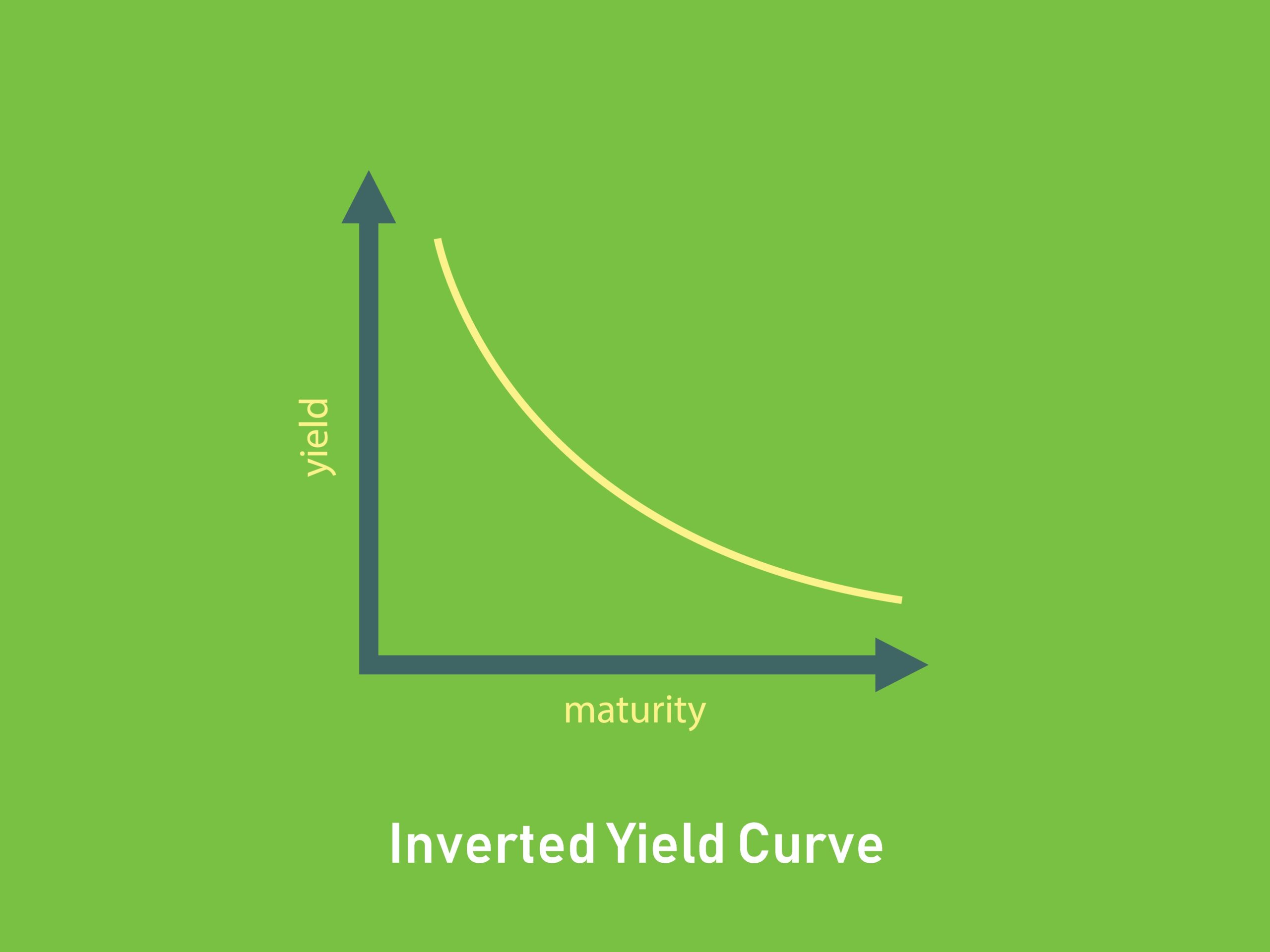
The yield curve graphs the relationship between bond maturities and their yields. A normal yield curve shows higher yields for longer-term bonds, reflecting increased risk over time. An inverted curve, showing higher yields for shorter-term bonds, often signals potential economic challenges ahead. A flat yield curve indicates similar yields across different maturities.
Factors Influencing Bond Yields
Multiple factors affect bond yields:
- Interest Rates: Central bank policies directly impact bond yields
- Economic Conditions: Growth rates and inflation expectations influence yield levels
- Credit Quality: Lower-rated bonds typically offer higher yields to compensate for risk
- Market Demand: Changes in investor sentiment affect bond prices and yields
- Global Economic Factors: International market conditions influence domestic bond yields
Strategies for Investing Based on Bond Yields
Employ several sophisticated strategies to capitalize on bond yields in varying market conditions.
Duration Management
Duration management is a primary approach, where you adjust your portfolio’s interest rate sensitivity based on yield expectations. For instance, shortening duration when yields rise helps protect against price declines, while extending duration when yields fall can lock in higher rates.
Bond Laddering
Bond laddering represents another strategic approach to yield optimization. This technique involves purchasing bonds with staggered maturities across different timeframes. As shorter-term bonds mature, you can reinvest at prevailing rates, potentially capturing higher yields while maintaining consistent income. A well-structured ladder might include bonds maturing in 2-, 4-, 6-, 8-, and 10-year intervals.
Yield Curve Positioning
Yield curve positioning offers additional opportunities for strategic investment. When the yield curve steepens, you might benefit from a barbell strategy — combining long-term and short-term bonds while avoiding intermediate maturities. Conversely, during periods of rising yields, you could gravitate toward bond ETFs for their liquidity and diversification benefits, particularly in sectors or durations showing strength.
Credit Spread Analysis
Credit spread analysis provides another dimension for yield-focused strategies. Consider comparing yields between Treasury bonds and corporate bonds to identify optimal risk-adjusted returns. When credit spreads widen beyond historical averages, opportunities may arise in corporate bonds, particularly among higher-quality issuers. However, this approach demands rigorous credit analysis and continuous monitoring of market conditions.
These strategic approaches require sophisticated analysis of multiple factors, including:
- Current yield curve shape and projected changes
- Credit spread movements across sectors
- Economic indicators affecting interest rates
- Market liquidity conditions
- Portfolio duration targets
- Individual risk parameters
Try combining several of these strategies, adjusting your approach based on market conditions and investment objectives. This dynamic management style helps optimize yield potential while maintaining appropriate risk levels across market cycles.
Make Informed Investment Decisions With Above the Green Line
Above the Green Line membership offers institutional-level bond analysis capabilities, including real-time yield tracking, comprehensive market data, and advanced portfolio optimization tools. Our platform empowers you to implement data-driven fixed-income strategies based on rigorous market analysis.
FAQs About Bond Yields
What Does 5% Bond Yield Mean?
A 5% bond yield indicates that the bond generates annual returns equivalent to 5% of its current market price. This return includes regular interest payments and any potential capital appreciation or loss if held to maturity.
What Does It Mean When Bond Yields Go Up?
Rising bond yields typically indicate falling bond prices, often resulting from increasing interest rates or declining demand for bonds. This movement can signal changing market conditions or shifting economic expectations.
Is Yield the Same As Interest Rate?
No, yield differs from interest rate. While interest rate represents the fixed coupon payment set at issuance, yield accounts for both the coupon payments and the bond’s current market price, providing a more comprehensive measure of potential return.

Related Articles
[pt_view id=”e2b53bb6zw”]